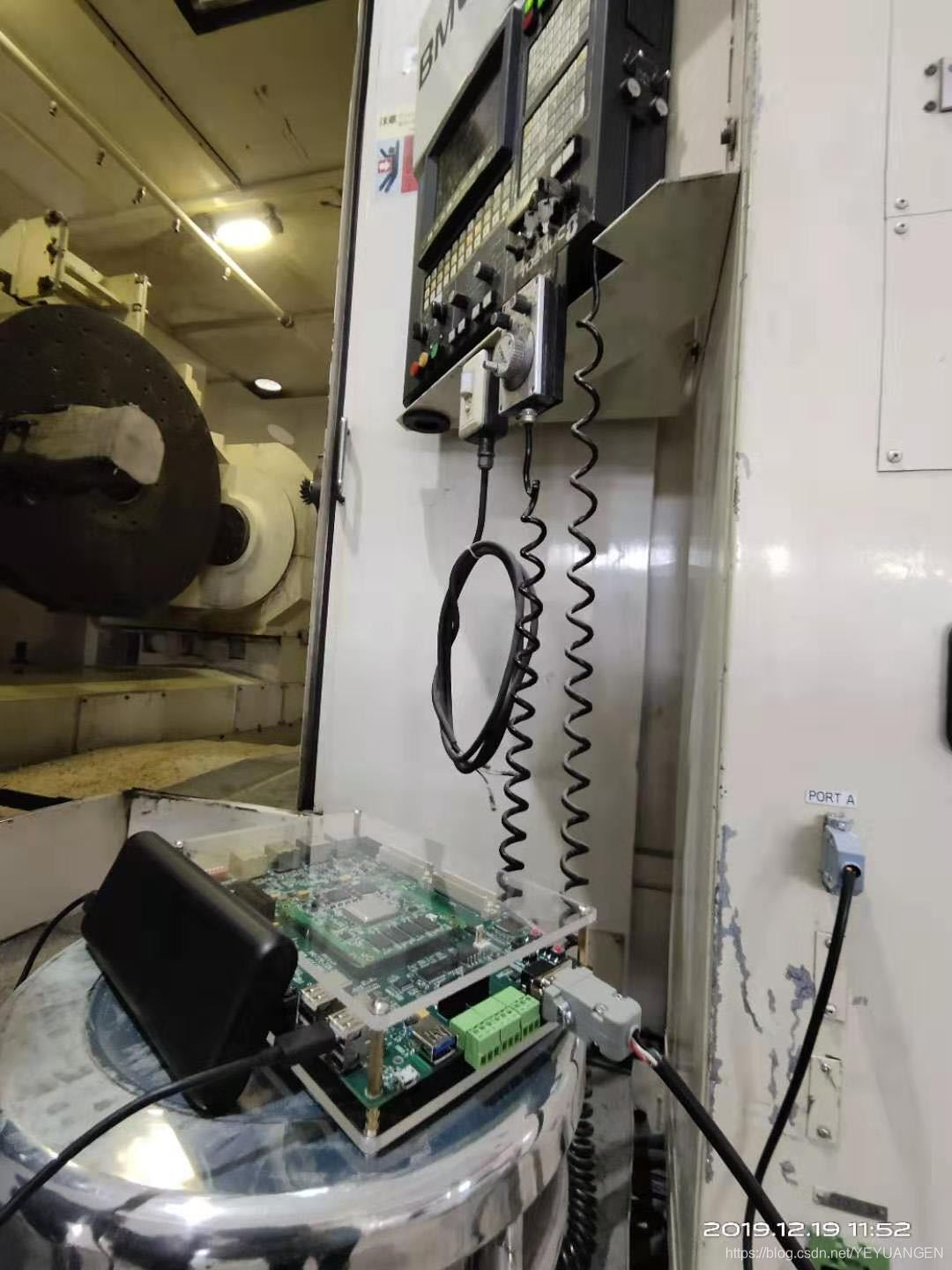
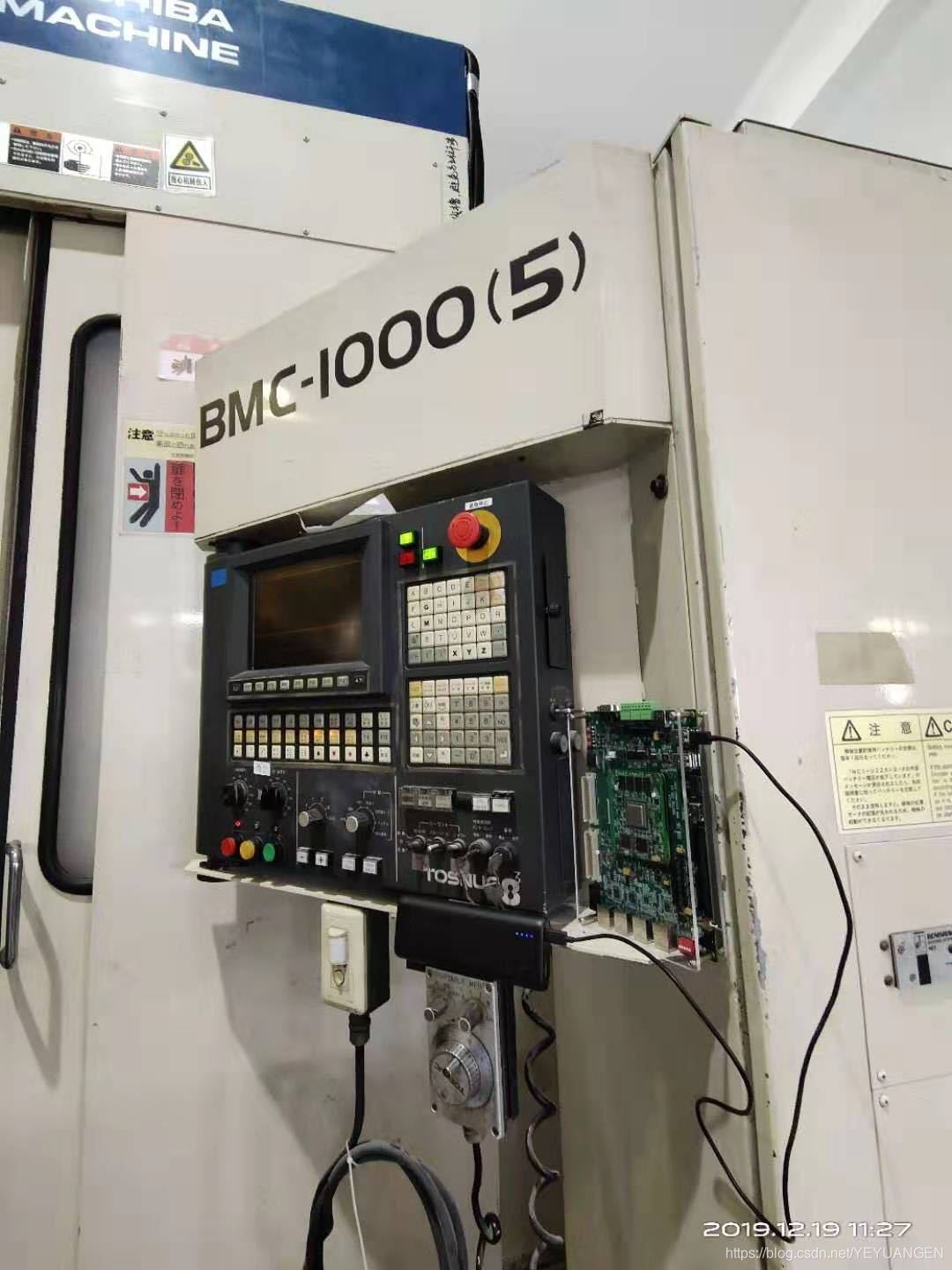
Design and Implementation of a Multi-axis Embedded Motion Controller Based on AM5728 EtherCAT
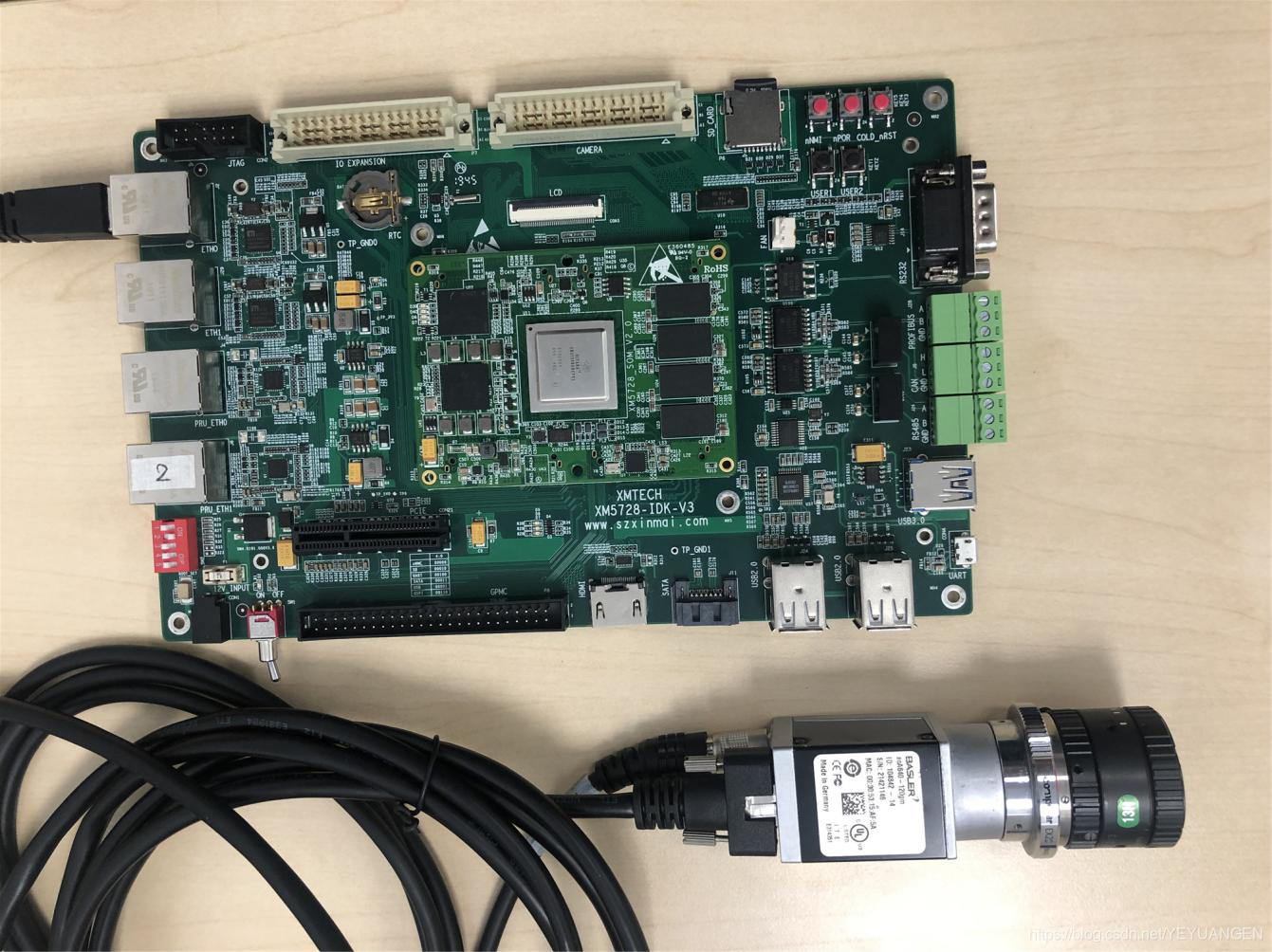
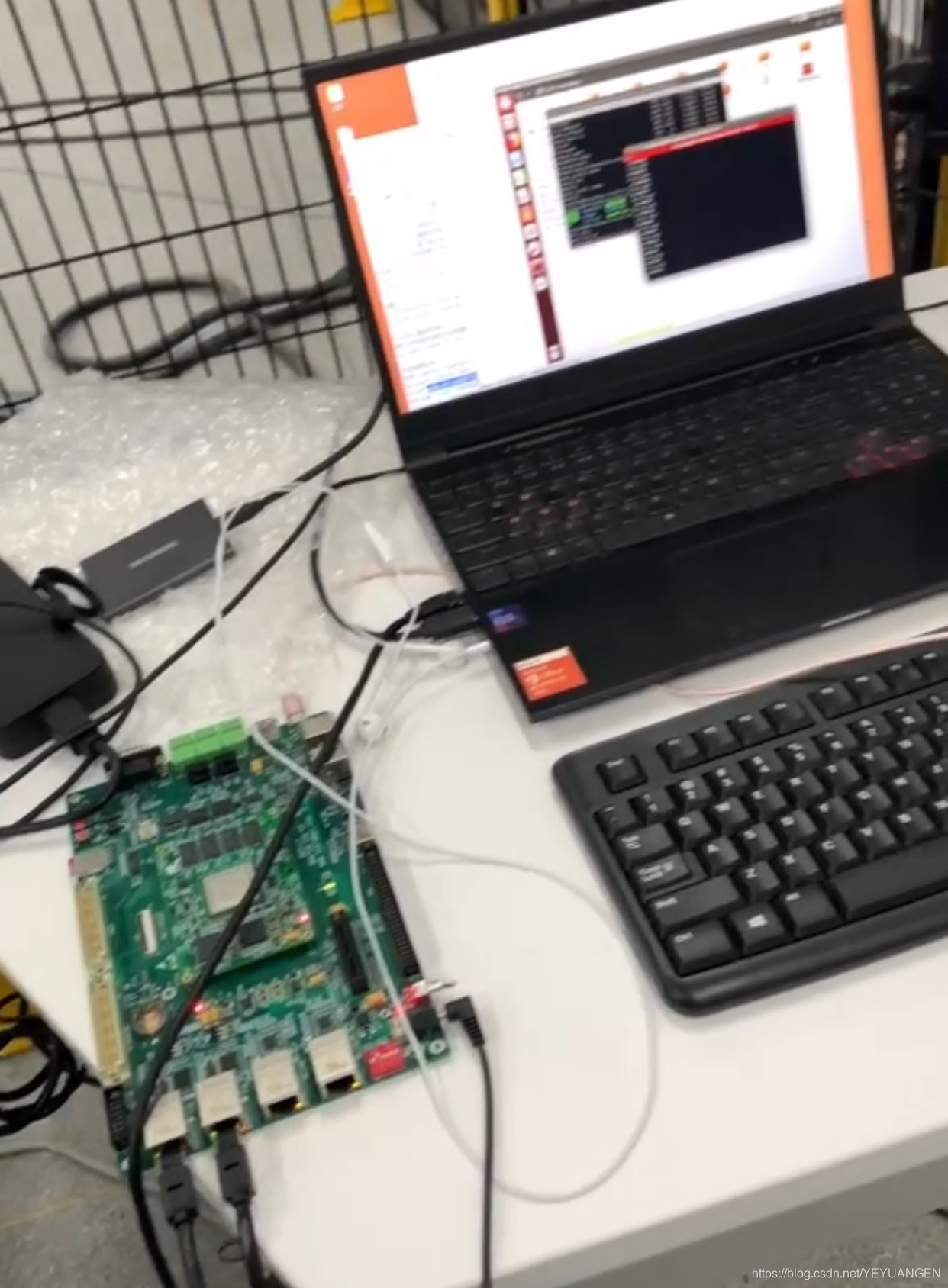
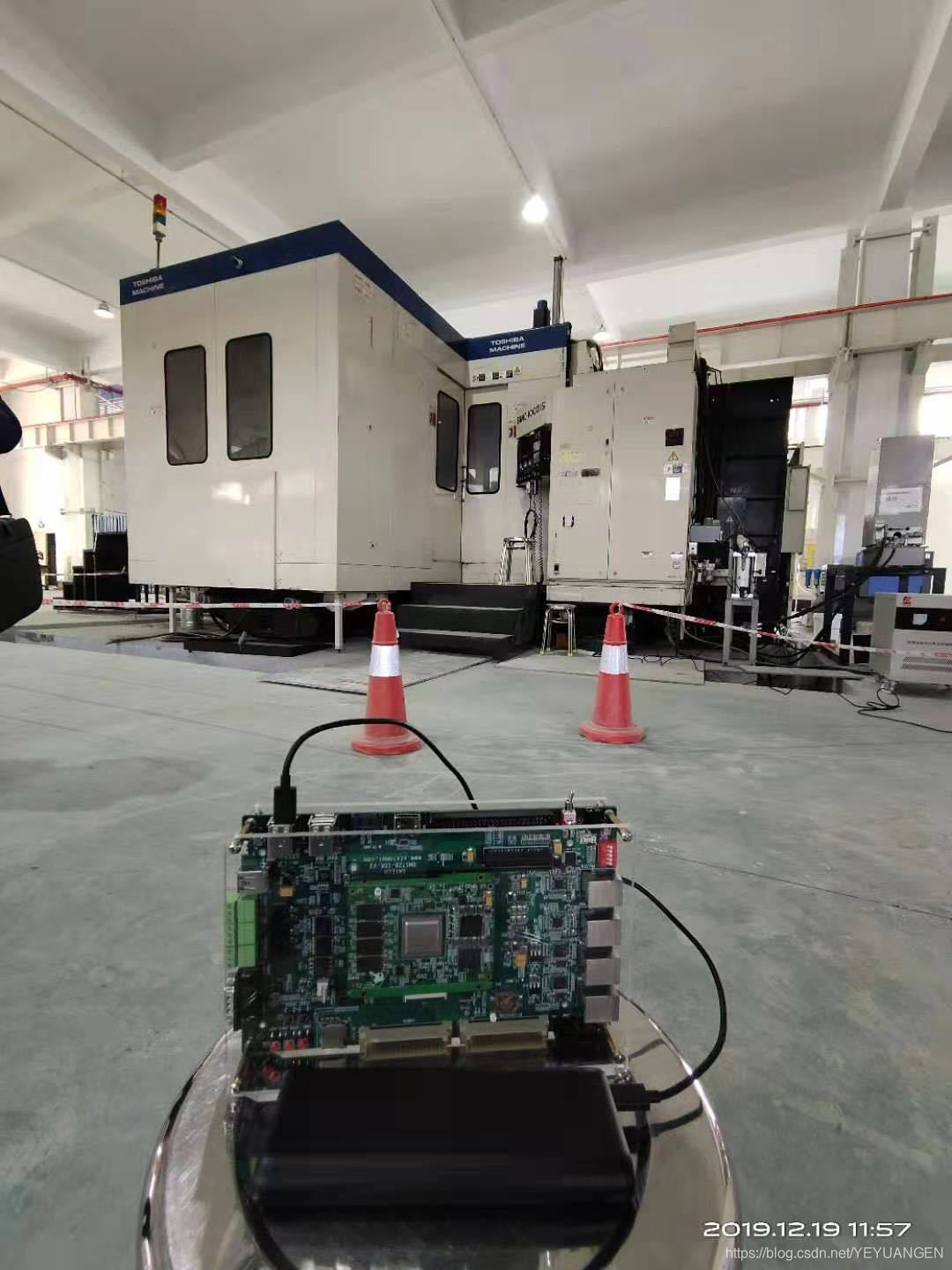
With the rapid advancement of embedded system technology and the widespread industrial application of high-performance, low-power processor chips, a new technical domain—embedded motion control—has emerged. By integrating embedded system technology into motion control, this field has achieved rapid development and broad application due to advantages such as high cost-performance ratio, strong stability, and the ability to operate independently without a PC. This paper focuses on the research and development of an embedded motion controller based on the OMAP platform, providing a viable solution for general-purpose embedded motion controller design. First, the current state of motion controller research both domestically and internationally is analyzed, with a comparative discussion highlighting the advantages of embedded motion controllers. Based on this analysis, TI's dual-core processor AM5728 is selected as the main control chip. Functional modules are then designed and integrated according to practical requirements to form the minimal system of the embedded motion controller. The ARM Cortex-A15 core primarily handles system management tasks such as task scheduling, file management, and user interface display, while the TMS320C66x DSP core is responsible for receiving data, determining and classifying data types, performing motion command processing, executing velocity control and interpolation calculations, and ultimately outputting speed and position control signals to the servo drive system. This architecture establishes a compact, open, and highly reliable embedded motion control platform. The overall hardware framework of the embedded motion control system is introduced, with detailed descriptions of the dual-core AM5728 chip and its peripheral functional modules.
The software design is divided into three main modules. The first involves compiling and porting the Linux embedded operating system onto the ARM core, porting the U-Boot bootloader, and building the Linux file system. The second module covers the design of the DSP-based motion control software, including system initialization, data reception and classification, velocity profiling, and interpolation computation. The third module focuses on defining the inter-core communication protocol and developing the corresponding communication programs. Finally, the OMAP-based embedded motion control platform is tested and analyzed, with improvement suggestions proposed. Through the work described, this study has achieved significant progress. The adoption of a dual-CPU architecture combined with on-chip shared memory for data exchange better satisfies the real-time performance, control accuracy, and power consumption requirements of embedded motion controllers. Further expansion and refinement of the embedded motion control platform’s functionality will require additional future development.