[Domestic NI Equivalent] ARM+FPGA+AI Wind Power Vibration Monitoring System: Ensuring Stable Operation of Wind Power Generation Systems!
As the global energy transition accelerates, the wind power industry, as one of the main forces of clean energy, is entering a period of rapid development. However, due to the complex and variable natural environment, its core components (e.g., gearboxes, generators, main shafts, bearings, etc.) are prone to mechanical wear, making fault monitoring particularly crucial.
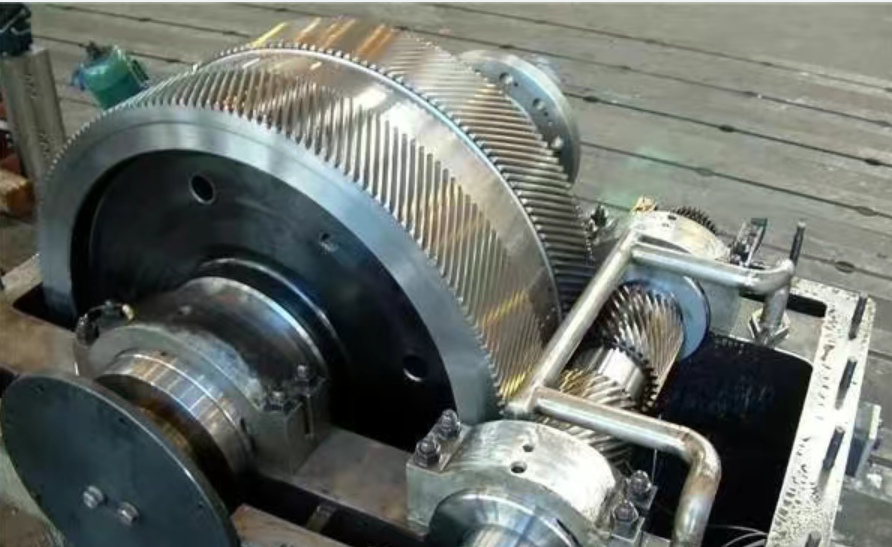
Vibration Signal Monitoring: The "Stethoscope" for Wind Turbine Health Management
Wind turbines are composed of multiple components, and the operational status and lifespan of these components are affected by factors such as wind speed, load, and temperature. Traditional fault detection methods rely on periodic manual inspections, which cannot achieve real-time monitoring and comprehensive evaluation, leading to delays.
By analyzing vibration signals, vibration monitoring, as a non-invasive monitoring method, can acquire real-time vibration information from equipment during wind turbine operation. Through the processing and analysis of vibration signals, the health status of critical wind turbine components can be revealed, enabling timely detection of potential equipment faults and achieving early warning.
Solution: Vibration Data Acquisition Card for Precise Acquisition and Real-time Monitoring
Addressing the specific needs of the wind power industry, we have launched a high-precision vibration data acquisition card, which, through technological innovation, achieves a closed-loop system for unit status monitoring: "precise sensing - intelligent analysis - real-time early warning."
01
High-Precision Acquisition: Resolution up to 24 bits, suitable for precise capture of signal details and applications involving weak or complex signals, ensuring data accuracy and reducing errors.
02
Multi-Channel Synchronization: Supports 8 synchronous analog input channels, simultaneously acquiring data from multiple signal channels, ensuring all signals are accurately recorded at the same time point and avoiding data errors caused by desynchronization.
03
Strong Noise Immunity: The onboard digital anti-aliasing filter can effectively reduce high-frequency noise and suppress frequency aliasing, thereby improving signal quality and measurement accuracy.
04
Independent IEPE: Built-in independent IEPE excitation source supports mixed access for various types of sensors, avoiding compatibility issues that traditional shared power supply methods might bring, such as signal interference or unstable power supply.