Huawei Ascend's Applications and Technical Solutions in Smart Mining Robots
#机器人#人工智能
I. Core Application Scenarios for Smart Mining Robots
1. Underground Smart Inspection Robots
- Inspection robots equipped with Ascend AI chips can achieve fully autonomous navigation and multi-modal perception. By utilizing LiDAR + visual SLAM technology, they can build real-time underground 3D maps and accurately identify abnormal conditions such as roadway deformation and equipment oil leaks47.
- Combined with Ascend edge computing capabilities, it supports parallel analysis of multiple video streams (e.g., infrared thermal imaging for monitoring electromechanical equipment temperature), improving the accuracy of abnormal event recognition to 99.2%78.
2. Unmanned Mining and Excavation Robots
- Deploying robotic arms and transport robots with Ascend AI computing power at the coal mining face, they can visually identify coal-rock interfaces and geological structures, autonomously adjust cutting paths, reducing the need for human intervention18.
- Collaborating with the MineHarmony operating system, it enables cross-system intelligent linkage of equipment such as shearers and hydraulic supports, increasing mining efficiency by over 30%68.
3. Safety and Emergency Response Robots
- Explosion-proof rescue robots equipped with Ascend AI engines can perform high-risk environment detection and emergency response during accidents like gas leaks or collapses, by using multi-sensor fusion technology to transmit real-time environmental parameters (e.g., oxygen concentration, toxic gases)47.
- A decision-making assistance system integrated with the DeepSeek large model generates optimal rescue path planning solutions, shortening response times to seconds15.
4. Material Transport Robot Clusters
- Based on Ascend edge computing boxes, a distributed scheduling system coordinates unmanned transport vehicles, belt conveyors, and other equipment to form an automated "ore flow" transport network, reducing energy consumption by 15% through path optimization algorithms26.
- It supports dynamic load balancing technology to handle complex underground terrain and sudden congestion scenarios68.
II. Technical Solution Architecture
1. Hardware Support Layer
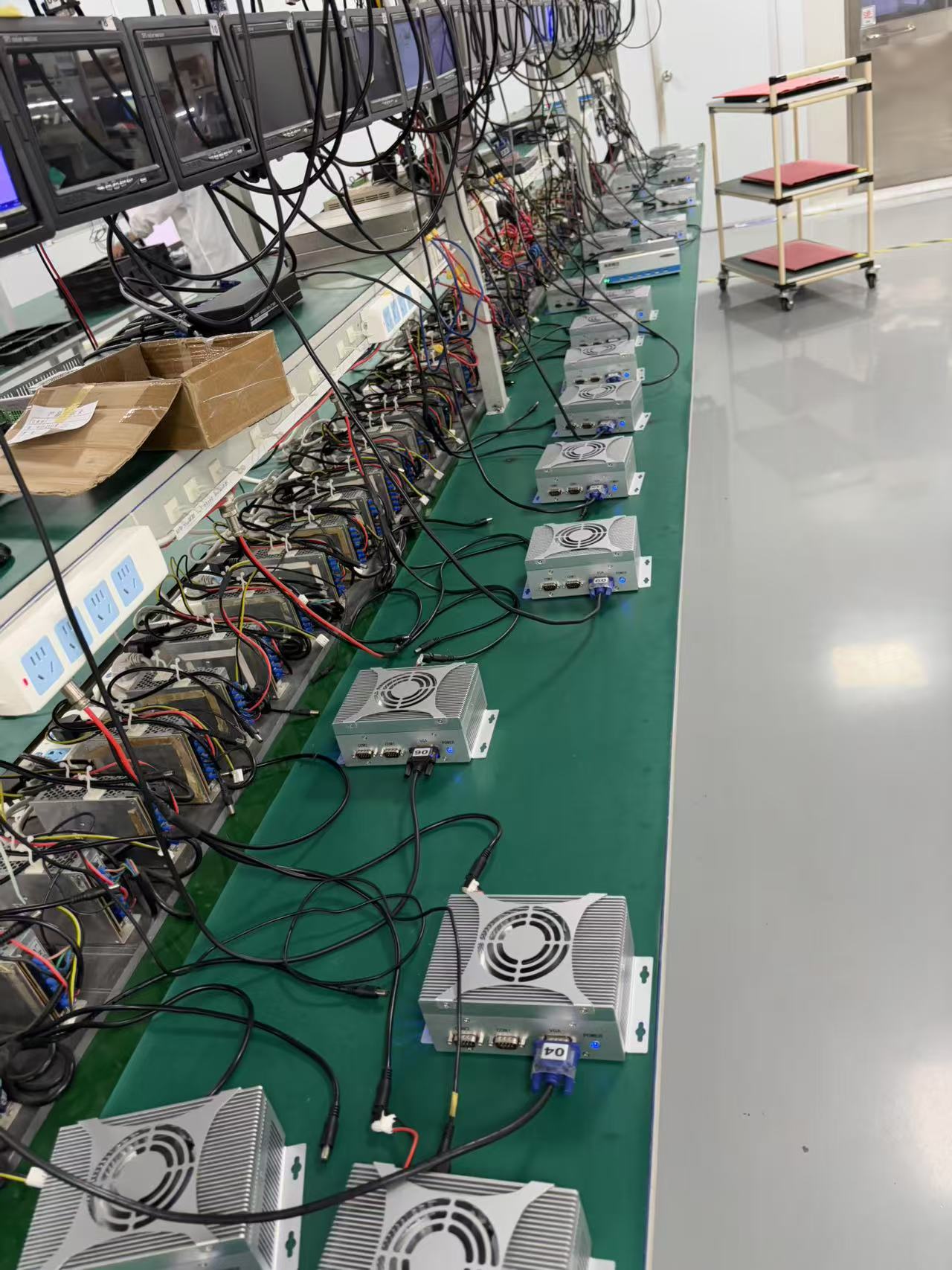
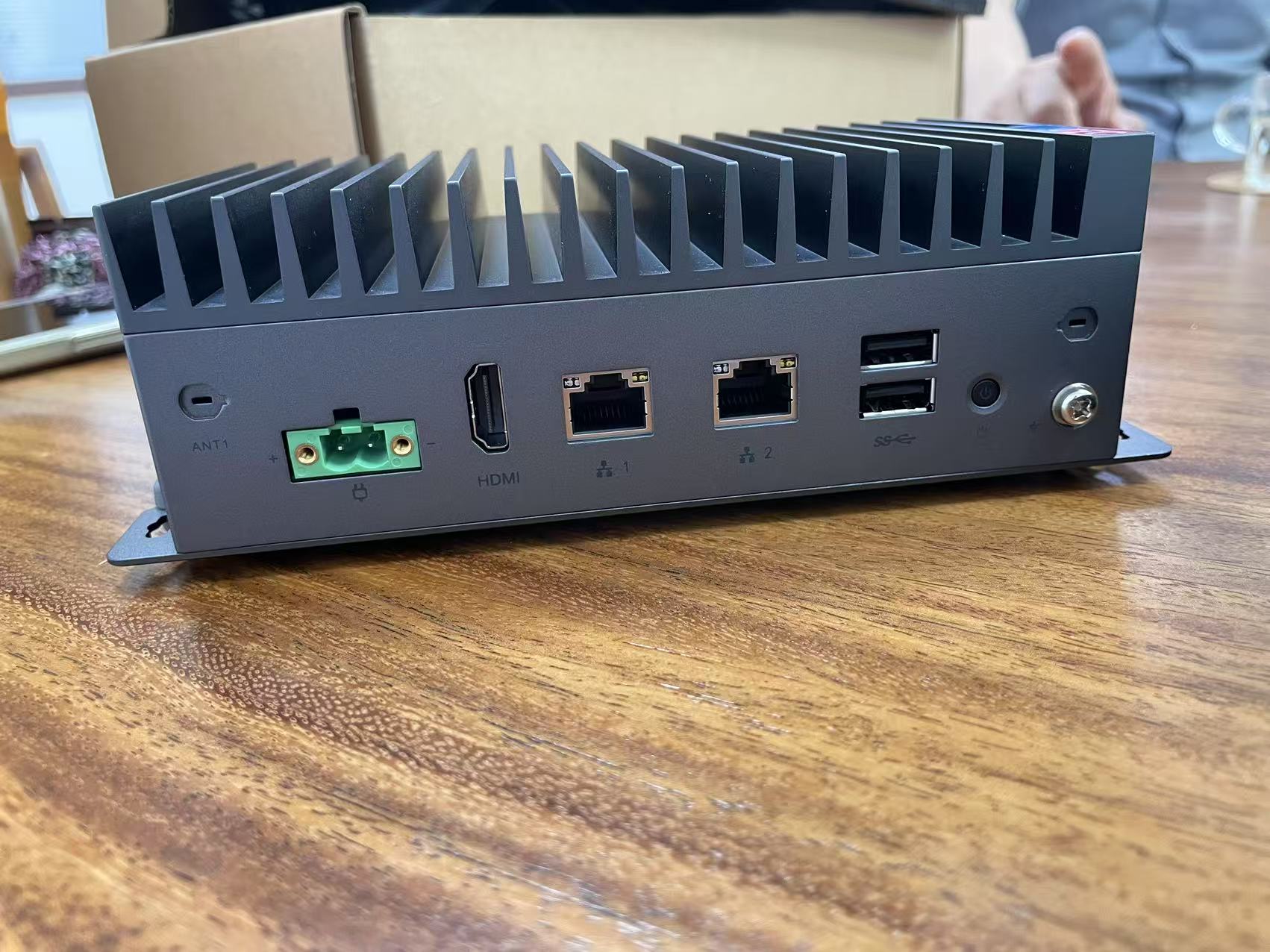
- Ascend AI processors (e.g., Ascend 310P) provide localized inference computing power for robots, supporting real-time processing of 16 high-definition video streams34.
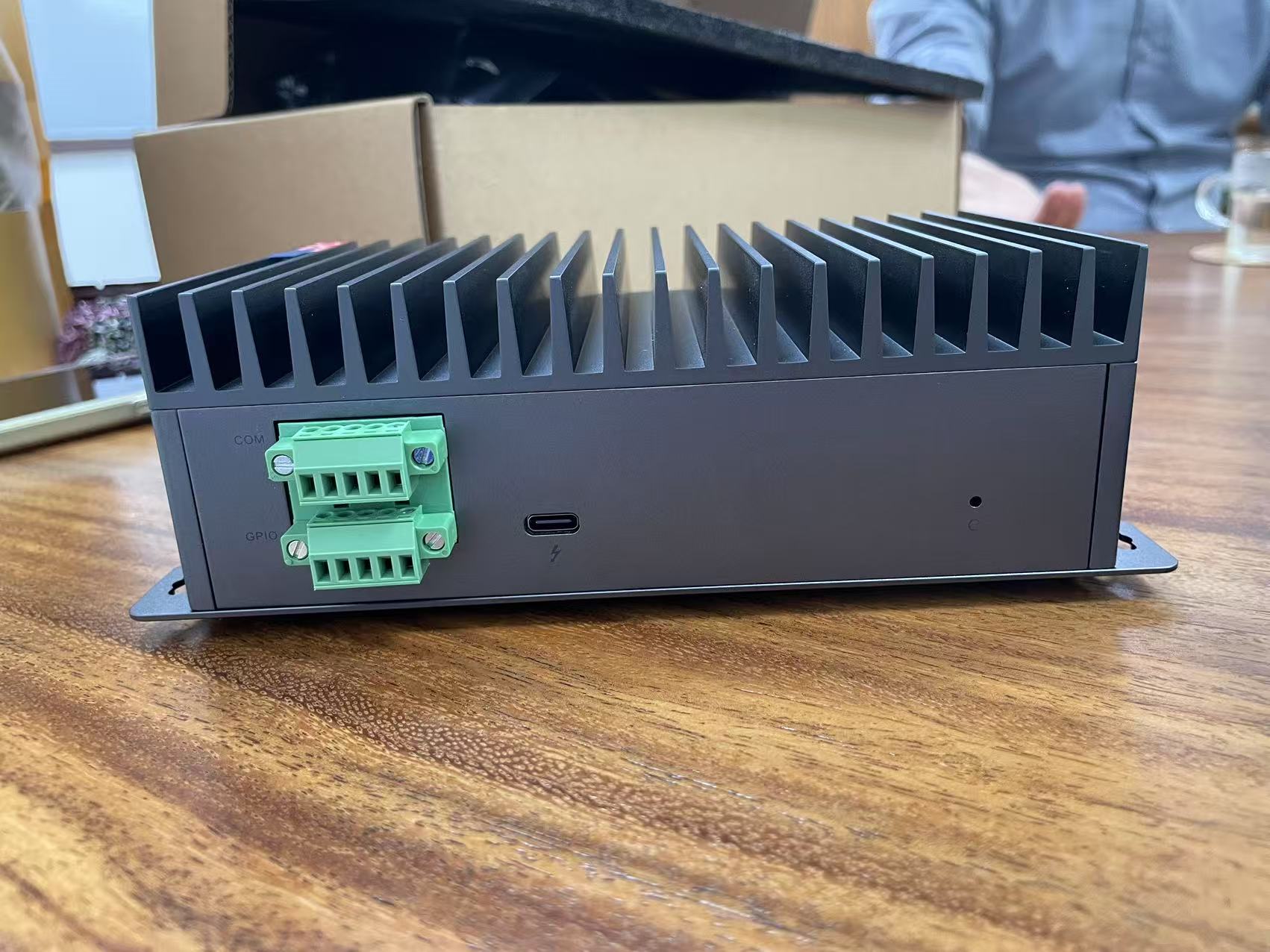
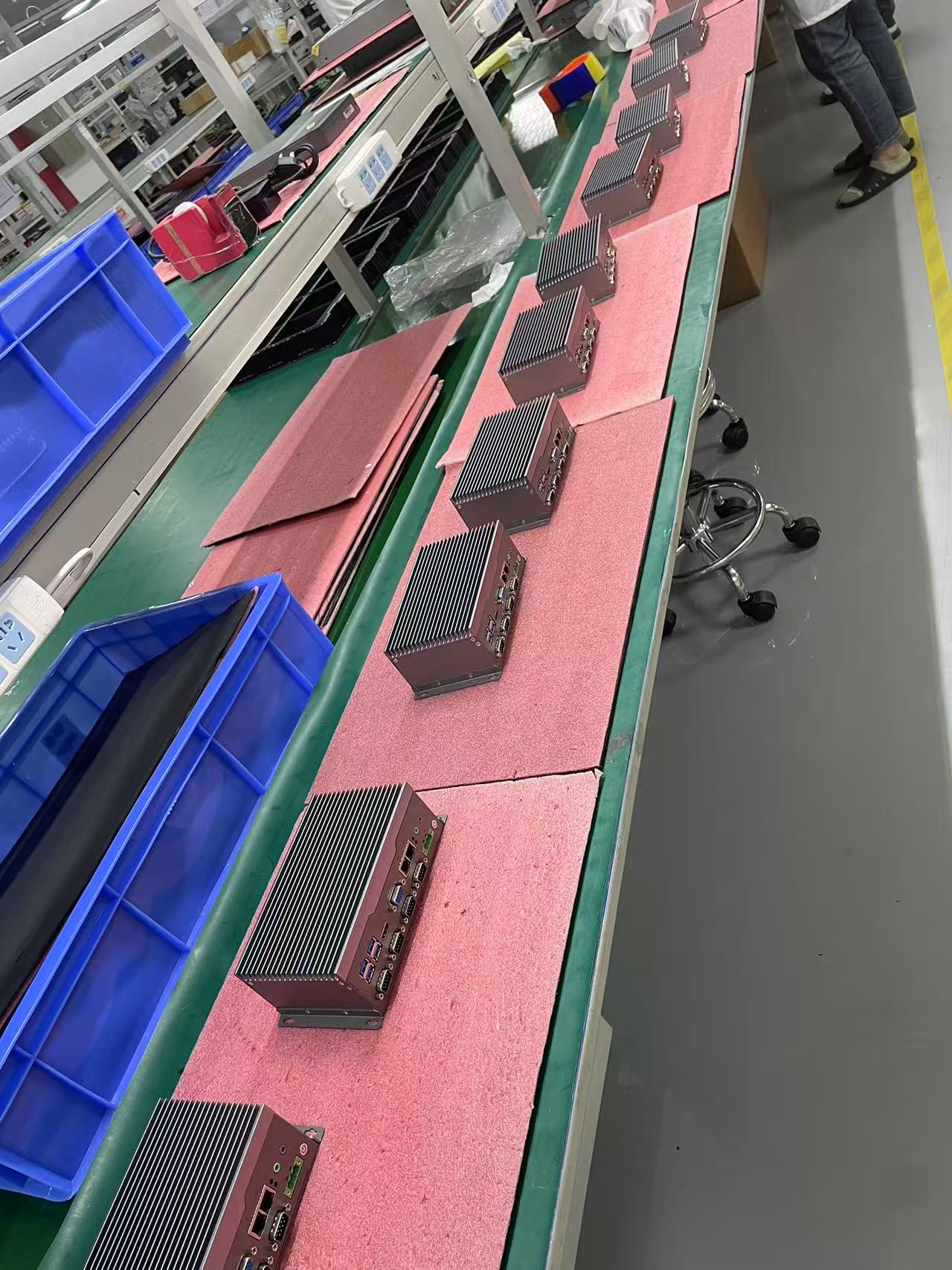
- Intelligent computing boxes serve as edge nodes, enabling collaborative control of multiple robots and data pre-processing, reducing pressure on cloud transmission17.
2. Algorithm and Model Layer
- Customized development of mine-specific AI models, including algorithms for scenarios like roadway semantic segmentation and equipment fault prediction, improving training efficiency by 40% compared to general-purpose models58.
- Through incremental learning technology, models are dynamically optimized to adapt to changes in underground geological conditions and equipment iteration requirements57.
3. System Integration Layer
- Building a digital twin middleware platform integrates robot operational data with 3D mine models, enabling virtual-real linked remote control and simulation testing26.
- It connects the MineHarmony operating system with MES system interfaces, supporting automatic issuance of production commands and closed-loop execution feedback16.
4. Secure and Trustworthy Architecture
- Adopting end-to-end encrypted communication ensures the security of robot control commands and data, meeting coal mine explosion-proof certification standards47.
- Deploying redundant computing nodes and self-healing mechanisms ensures system reliability in harsh underground environments78.
III. Typical Implementation Cases
Robot clusters built on Ascend AI servers and the DeepSeek large model have achieved underground full-process automation for inspection, transportation, and excavation, reducing single-shift personnel by 60% and decreasing the safety accident rate by 90%16. Angang Mining, through an Ascend-powered unmanned transport vehicle network, has increased ore transport efficiency by 35% and reduced energy consumption costs by 20%68.
Technology Trend Outlook
In the future, there will be deeper integration of AI large models + embodied intelligence for robots, achieving autonomous "perception-decision-execution" closed-loop for mining robots through multi-modal interaction, and exploring collaborative innovation between quantum computing and Ascend architecture58.