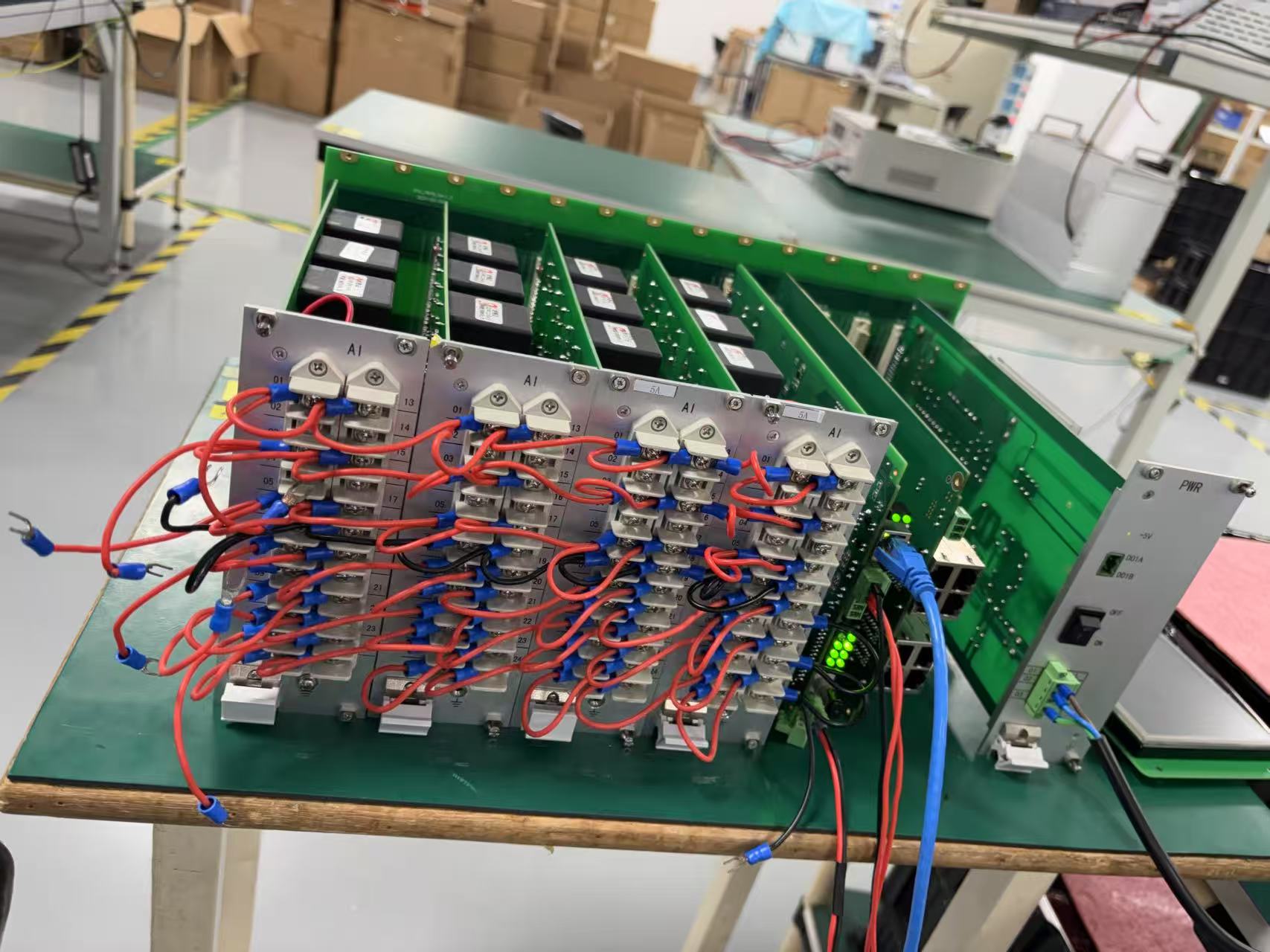
ARM+FPGA+DSP-Based Energy Storage Coordination Controller Solution, Supporting Localization
#arm开发#fpga开发#信号处理
Functions and Design Solution of Energy Storage Coordination Controller
I. Core Functions
- Real-time Monitoring and Coordinated Control
- Real-time acquisition of energy storage system parameters such as voltage, current, and temperature; monitoring of battery charge status and charge/discharge power; dynamic adjustment of power interaction between energy storage, grid, and loads to ensure energy supply-demand balance15.
- Supports Primary Frequency Regulation (AGC) and Dynamic Reactive Power Voltage Regulation (AVC) functions, responding to grid frequency and voltage fluctuations to enhance grid stability45.
- Energy Management Optimization
- Optimizes charge/discharge strategies based on time-of-use (TOU) electricity prices and renewable energy output forecasts (e.g., solar irradiance, temperature), reducing enterprise energy costs by **15-30%**56.
- Smooths photovoltaic (PV) power generation volatility, reduces grid impact, and achieves a 40% increase in renewable energy absorption rate37.
- Safety Protection and Fault Diagnosis
- Real-time detection of abnormal conditions such as overcharge, overdischarge, and short circuits, triggering protection mechanisms (e.g., circuit disconnection), with a fault isolation response time of <100ms57.
- Supports Battery State of Health (SOH) evaluation, extending the lifespan of the energy storage system by **20%**68.
- Multi-scenario Adaptation and Expansion
- Applicable to industrial and commercial parks, data centers, power grids, and other scenarios; compatible with distributed energy resources, microgrids, and electric vehicle charging facilities; supports modular expansion57.
- Applicable to industrial and commercial parks, data centers, power grids, and other scenarios; compatible with distributed energy resources, microgrids, and electric vehicle charging facilities; supports modular expansion57.
II. Design Solution
- Hardware Architecture Design
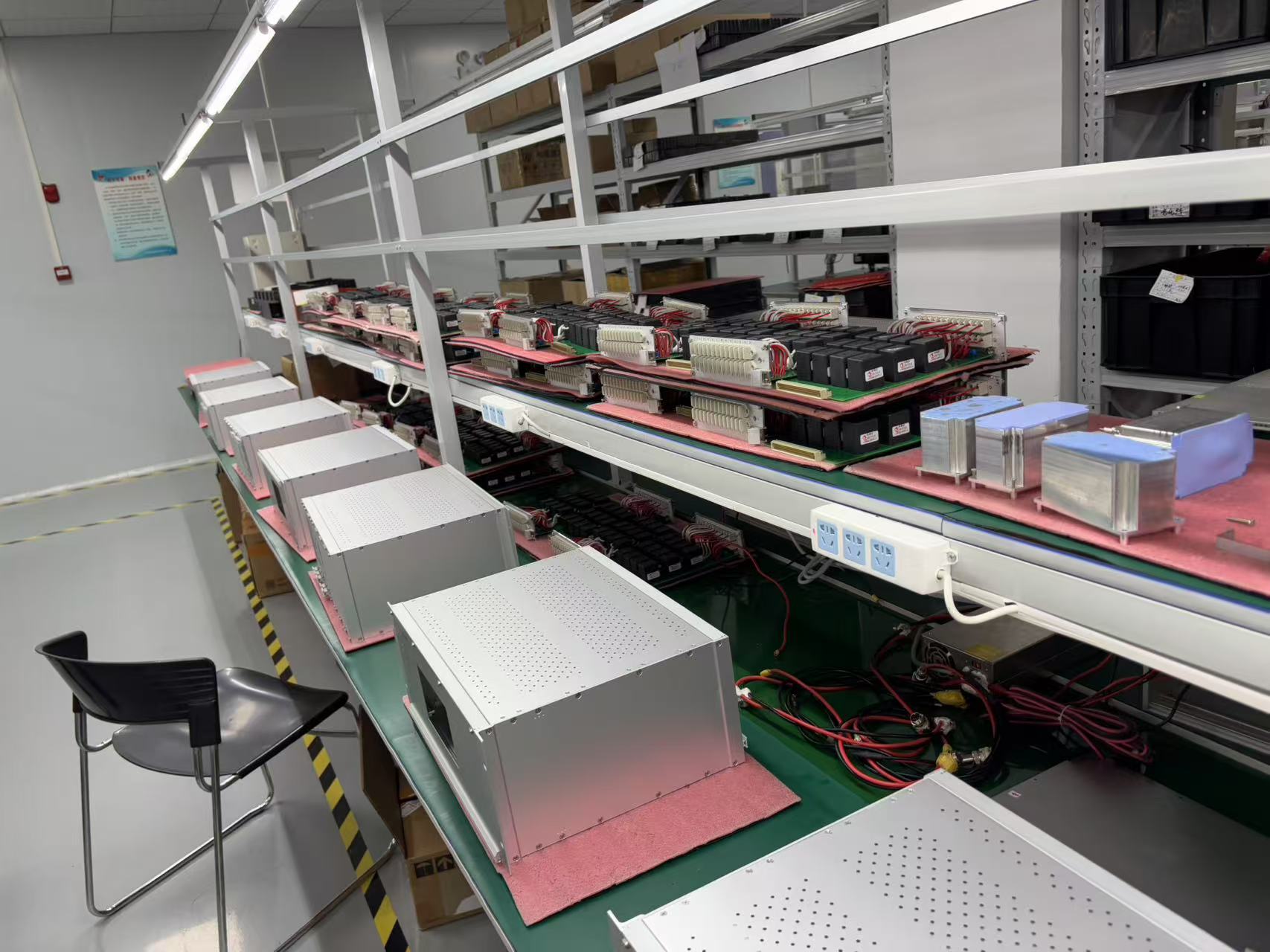
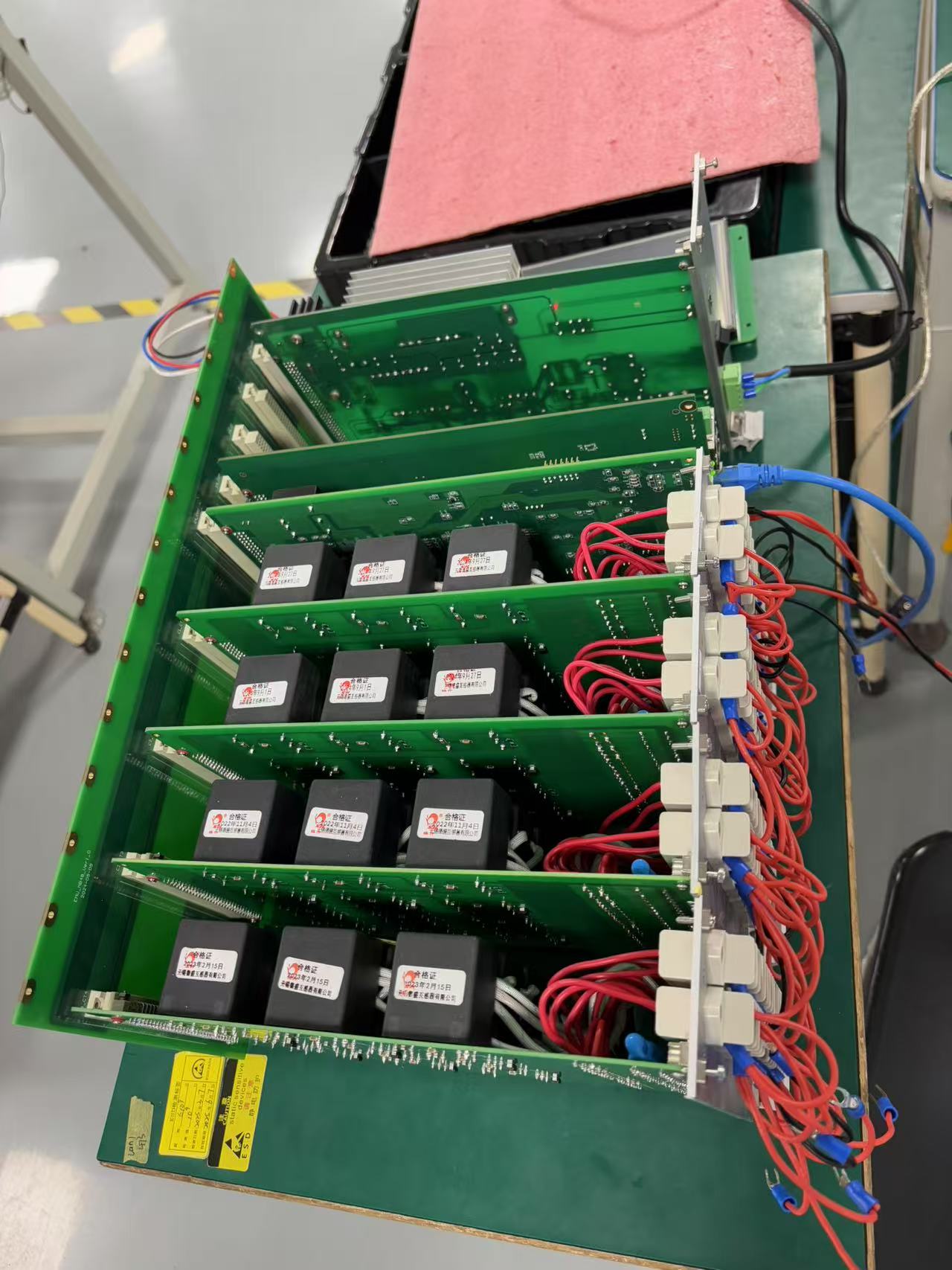
- Multi-core Heterogeneous Processor: Adopts an ARM+FPGA architecture, where the ARM main controller performs strategy calculations, and the FPGA processes real-time signals (e.g., high-speed current/voltage sampling)14.
- Redundant Communication Interfaces: Integrates dual Gigabit Ethernet ports, RS-485, and CAN bus, supporting protocols such as Modbus and EtherCAT, ensuring data synchronization and device interconnection15.
- High-precision Sampling Module: 16-bit AD acquisition chip with a sampling rate up to 1 MSPS and an error of <0.5%, meeting power-grade accuracy requirements14.
- Control Strategy Design
- Dynamic Optimization Algorithms: Combines Model Predictive Control (MPC) with deep learning algorithms to achieve minute-level strategy adjustments (e.g., peak shaving and valley filling, frequency and voltage regulation)35.
- Hierarchical Control Mechanism:
- Lower Layer: Executes basic operations such as battery charge/discharge and inverter switching;
- Middle Layer: Coordinates power distribution among multiple devices and responds to grid dispatch commands;
- Upper Layer: Generates long-term dispatch plans based on weather forecasts and historical data37.
- Communication and Protocol Design
- Multi-protocol Conversion: Built-in protocol stack supports Modbus to MQTT and EtherCAT to OPC UA conversion, adapting traditional devices for interconnection with cloud platforms57.
- Low-latency Transmission: Employs TSN (Time-Sensitive Networking) technology, achieving end-to-end communication latency of <10ms, meeting urgent control requirements78.
- Security Protection Design
- Hardware Isolation: Critical signal channels (e.g., emergency stop signals) use optocoupler isolation, with anti-interference capability reaching 4kV/2kV (common mode/differential mode)57.
- Software Fault Tolerance: Dual redundancy check mechanism (CRC + parity check), with a data error rate of <10^-946.
- Software Platform Design
- Cloud-Edge Collaboration Architecture: Local edge computing (supporting TensorFlow Lite models) achieves real-time control, while the cloud performs big data analysis and strategy optimization56.
- Visualized Interface: Supports Web/APP access to view real-time data and generate energy efficiency reports (e.g., peak-valley electricity cost comparison, carbon emission statistics)68.
Summary
The Energy Storage Coordination Controller, through its three core technologies—dynamic strategy optimization, high-precision hardware architecture, and multi-protocol compatibility—addresses issues such as supply-demand fluctuations, safety risks, and insufficient economic efficiency in energy systems15. Its modular design and cloud-edge collaboration capabilities adapt to diverse scenarios like industrial and commercial sectors and power grids, driving the energy system towards an efficient, intelligent, and sustainable evolution.