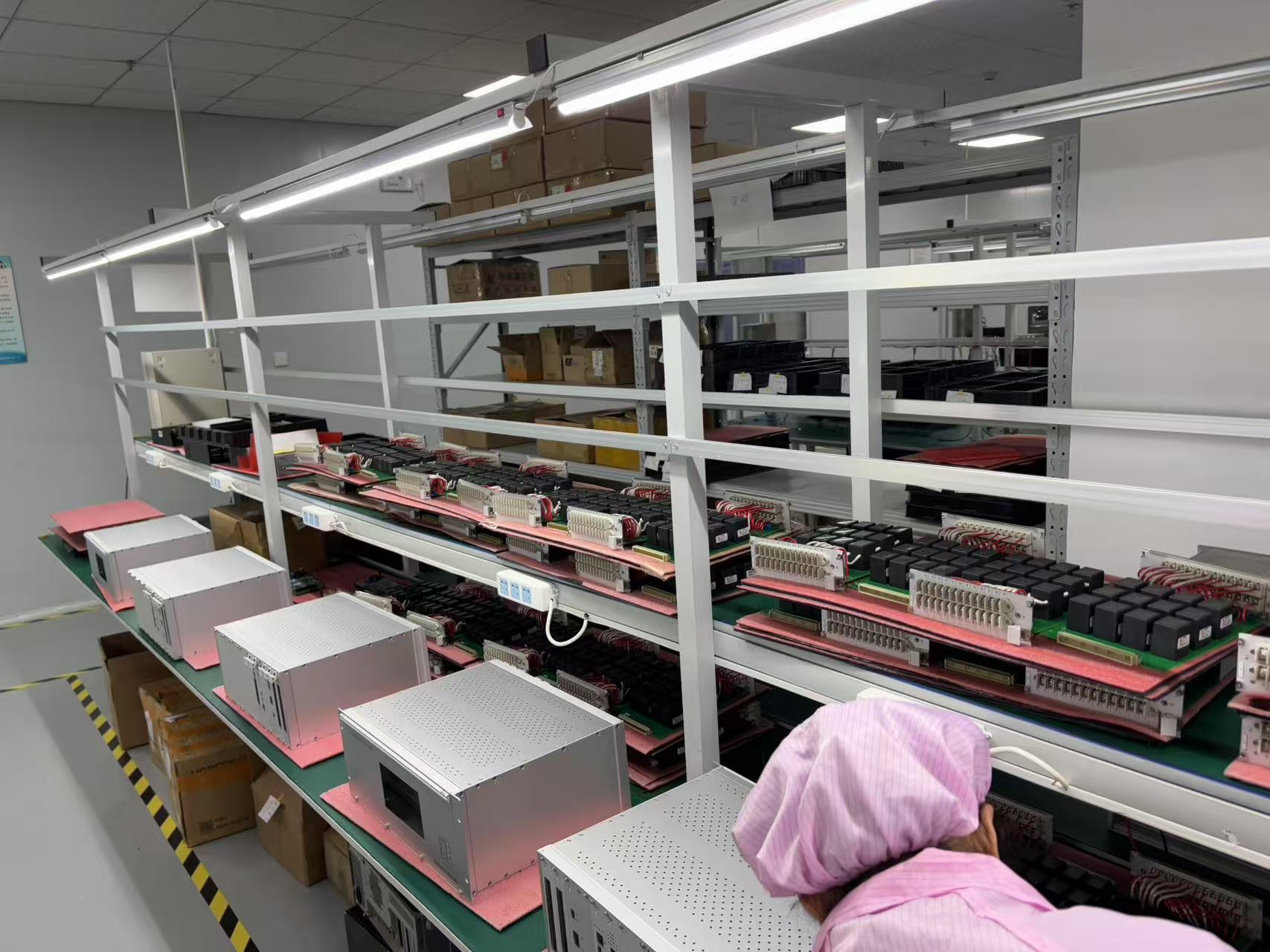
4U Rack-Mount Power Fault Recorder Design Solution with Screen, Based on DSP/ARM+FPGA+AI, Supporting Full Domestic Production
4U Rack-Mount DSP/ARM+FPGA+AI Power Fault Recorder and Analyzer with Screen, supporting localization, includes CPU master control module, 96 channels of analog acquisition, 256 channels of digital inputs, communication expansion card, etc. #PowerFaultRecording #4URackMountWithScreen #NewEnergy #PowerMonitoring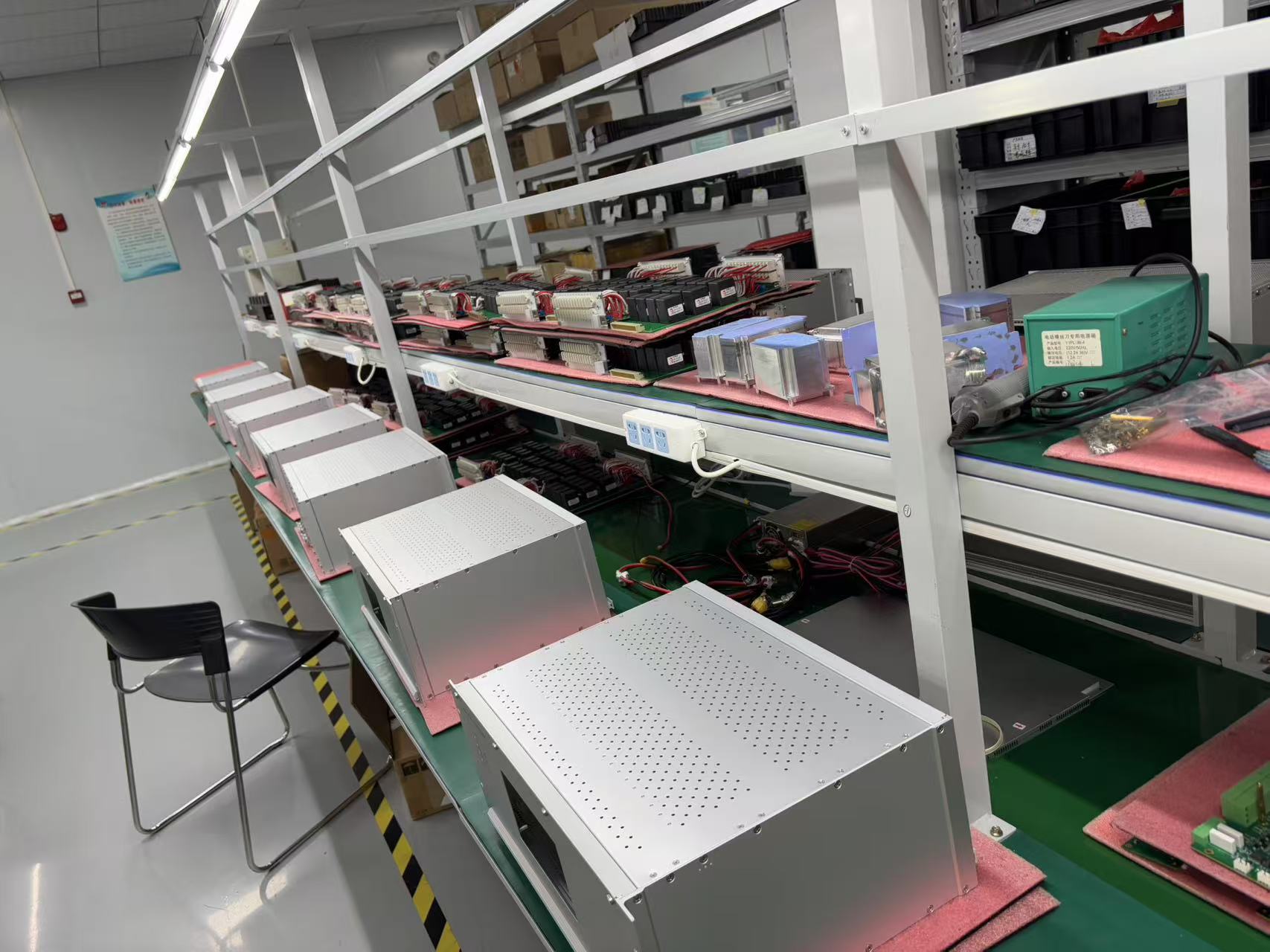
Key Features
-
It is designed with an embedded graphical system, advanced DSP and 32-bit embedded CPUs, combined with a high-performance embedded real-time operating system, to meet the power system's evolving demands for transient and steady-state fault recording.
-
This device features a fully embedded design, utilizing an embedded graphical operating system, DSP technology, large-scale FPGA technology, embedded real-time operating system technology, and network communication technology. It incorporates the latest developments in power systems, particularly the use of an embedded graphical operating system, which significantly enhances the device's reliability and stability.
-
This device adopts an embedded graphical operating system, supporting keyboard, mouse, and USB disk. Its graphical interface style is similar to Windows, making it simple and convenient to use.
-
This device implements all functions of a fault recorder on an embedded system. Its operation, configuration, and maintenance are completely independent of the Windows system, making it resistant to virus and malware attacks.
-
This device is primarily composed of DSP modules, CPU modules, an LCD screen, and signal transducers, etc., capable of accommodating 96 analog inputs and 256 digital inputs.
Configuration Overview
-
The input signal configuration software is used to configure the names and parameters of the signals connected to the recorder, as well as the relationship between the input signals and primary equipment. It is the foundation for the entire device's normal operation.
-
Before the device is officially put into operation, the input signals must be correctly configured according to site conditions. When input signals change, modifications must be made promptly.