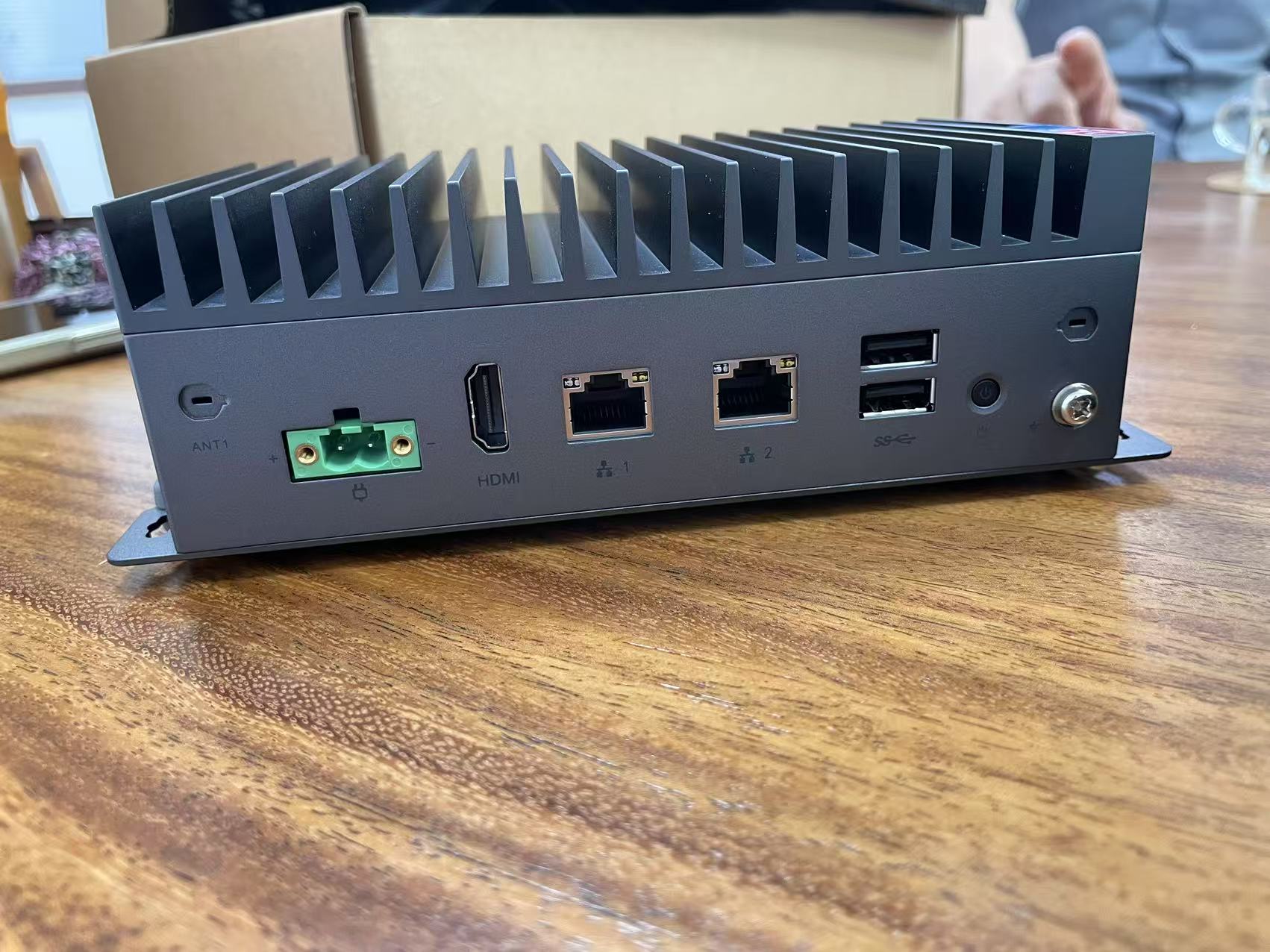
X86/Nvidia+FPGA-Based Large Model Embodied AI Robot Controller Solution: Combining Computational Power with Real-time Convenience
2025 marks the inaugural year for the industrialization of humanoid robots. The industry has moved beyond early-stage laboratory R&D, entering a new cycle of "scenario validation + mass production ramp-up." It is projected that the embodied AI market size will exceed one trillion yuan by 2031. This progress is underpinned by systematic breakthroughs in underlying technologies such as hardware computational power, real-time control, and environmental adaptability—and how to coalesce these technologies into reliable "machine intelligence" is becoming a critical battlefield for industry competition.

The "Invisible Threshold" of Industrial Upgrading: Technical Coupling Challenges in High-Dynamic Scenarios
The ultimate goal of embodied AI robots is to equip machines with human-like perception, decision-making, and execution capabilities. However, in scenarios such as industrial quality inspection, home services, and outdoor patrol, robots face three core challenges:
1
Real-time Fusion of Multimodal Perception: Synchronous processing and decision-making for heterogeneous data such as vision, voice, and force feedback;
2
Absolute Reliability of High-Precision Motion: Maintaining sub-millimeter control precision in complex environments with vibration, temperature variations, electromagnetic interference, etc.;
3
Performance Balance in Compact Forms: The contradiction between small size, low power consumption, and high computational power, strong heat dissipation.
The essence of these challenges lies in the deep coupling capabilities of hardware architecture, operating systems, and communication protocols. Traditional solutions often adopt a "stacked" design, leading to a separation of computational units, control units, and sensing units, making it difficult to meet the collaborative demands of high-dynamic scenarios.
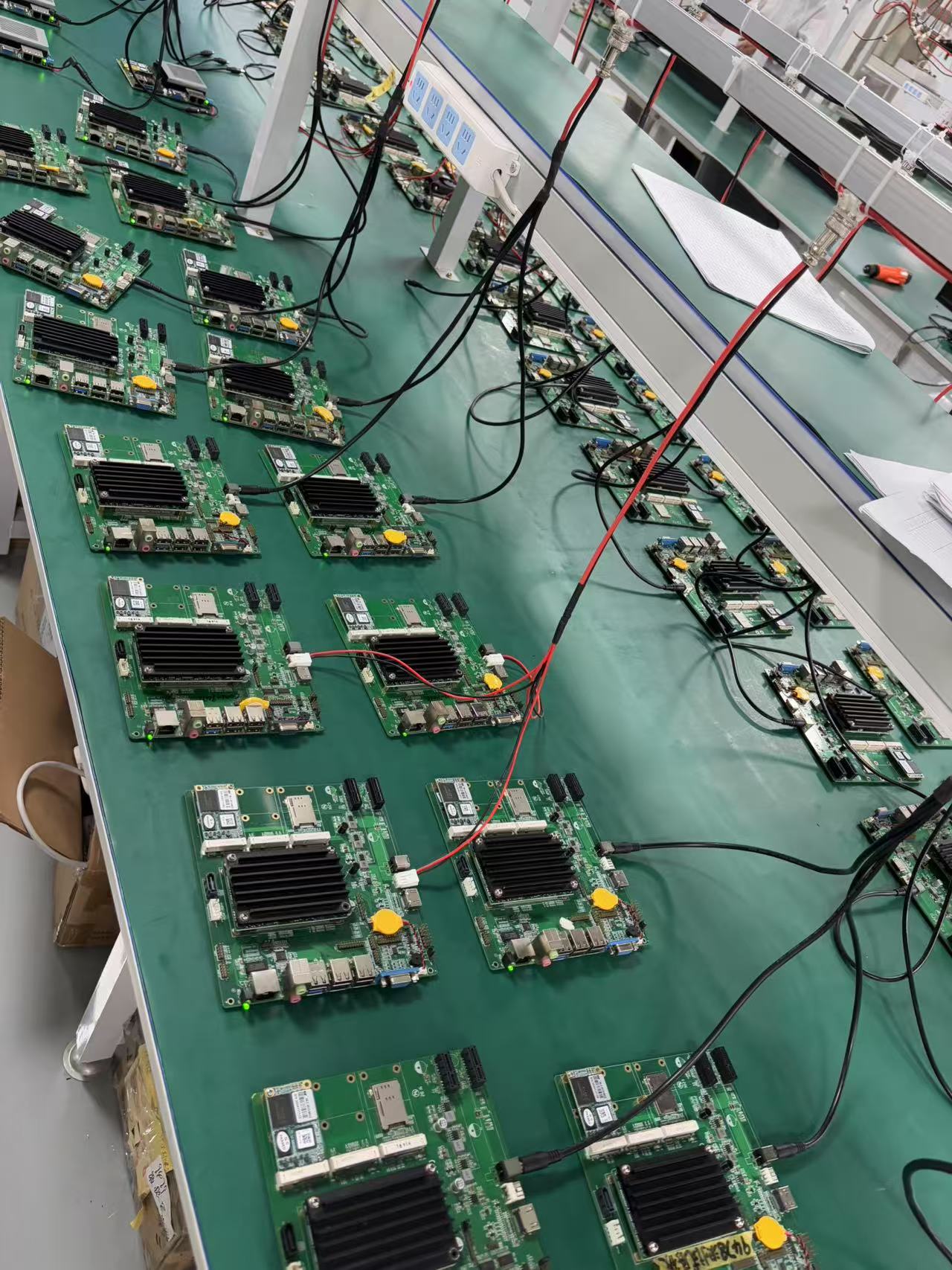
Technological Paradigm Shift: From "Module Stacking" to "Holistic Collaboration"
Currently, the industry is driving a fundamental transformation in robotics technology paradigms through an integrated "Perception-Decision-Execution" architecture:
-
Heterogeneous Fusion of Computational Power and Control: Adopting an "AI chip + real-time controller" dual-core architecture, balancing large model inference with hard real-time control;
-
Time-Sensitive Communication Protocols: Achieving microsecond-level time synchronization through protocols like PTP and EtherCAT, eliminating multi-axis coordination errors;
-
Adaptive Environmental Interface: Embedding self-perception modules and intelligent operation and maintenance systems to enable fault pre-warning and dynamic load reduction;
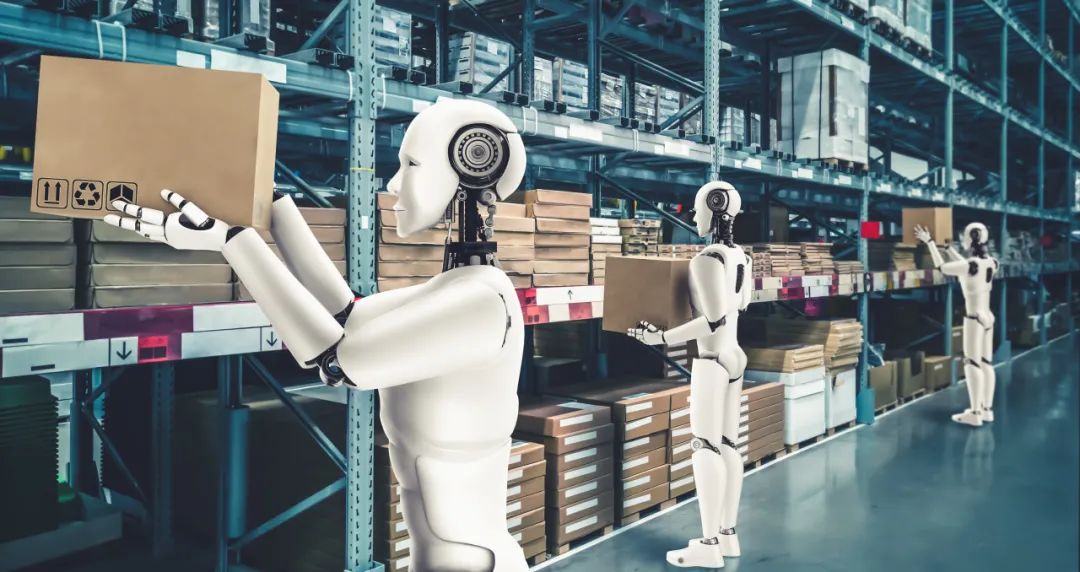
Taking warehouse logistics as an example, robots need to process tens of GBs of point cloud data per second while controlling robotic arms to grasp goods with millimeter-level precision—this places almost stringent demands on the system's full-link collaborative capabilities.
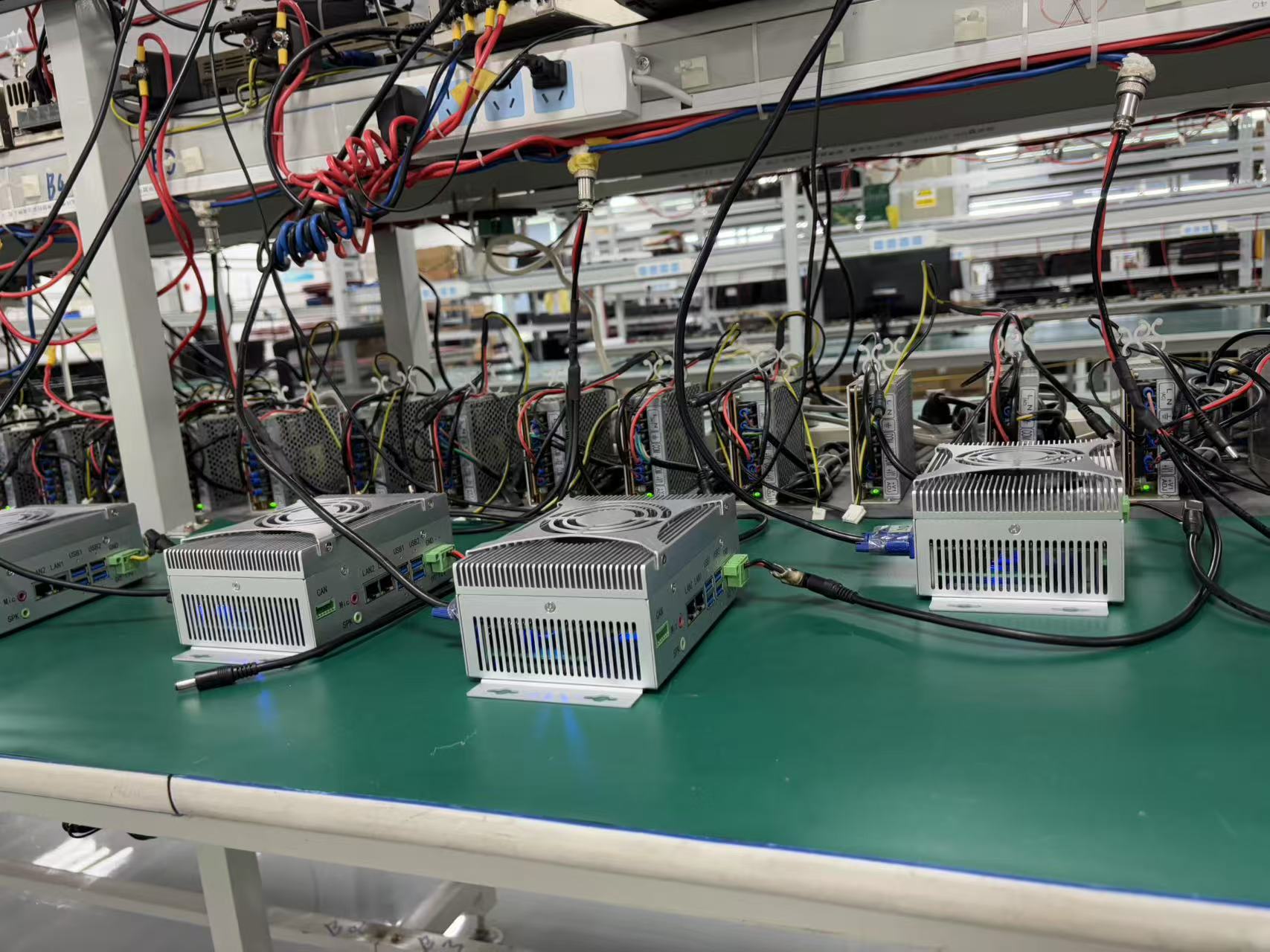
Industrial Implementation: From "Technologically Feasible" to "Scenario-Reliable"
Currently, the application of embodied robots is rapidly expanding from standardized industrial scenarios to unstructured environments:
-
Smart Manufacturing: In scenarios such as industrial production, automotive welding, and 3C electronics assembly, robots need to achieve extremely high motion precision under strong electromagnetic interference;
-
Smart Healthcare: Surgical assistance robots rely on multimodal perception and sub-microsecond control to ensure operational safety;
-
Extreme Operations: Aerospace operations, disaster rescue, and other scenarios require robots to operate stably within a wide temperature range of -20℃ to 60℃.
The common requirement across these scenarios is to maintain absolute reliability of the "Perception-Decision-Execution" chain even under extreme conditions.
Practice: Anchoring Industry Needs with Core Technologies
In the field of embodied AI robots, Sienovo provides reusable solutions for the industry through a technical path of "hard real-time control + high computational power fusion":
-
Real-time Operating System Optimization: Through deep optimization with Linux kernel real-time patches, achieving millisecond-level task response and microsecond-level time synchronization, overcoming the industry challenge of excessive instruction jitter in traditional solutions, and endowing robot motion control with "biological-level" fluidity.
-
Holistic Time Synchronization: Building a multi-axis collaborative sub-microsecond synchronization network based on PTP (Precision Time Protocol) and EtherCAT master protocols, overcoming the 200μs time jitter performance bottleneck of traditional solutions, and ensuring consistent motion trajectories in high-dynamic scenarios.
-
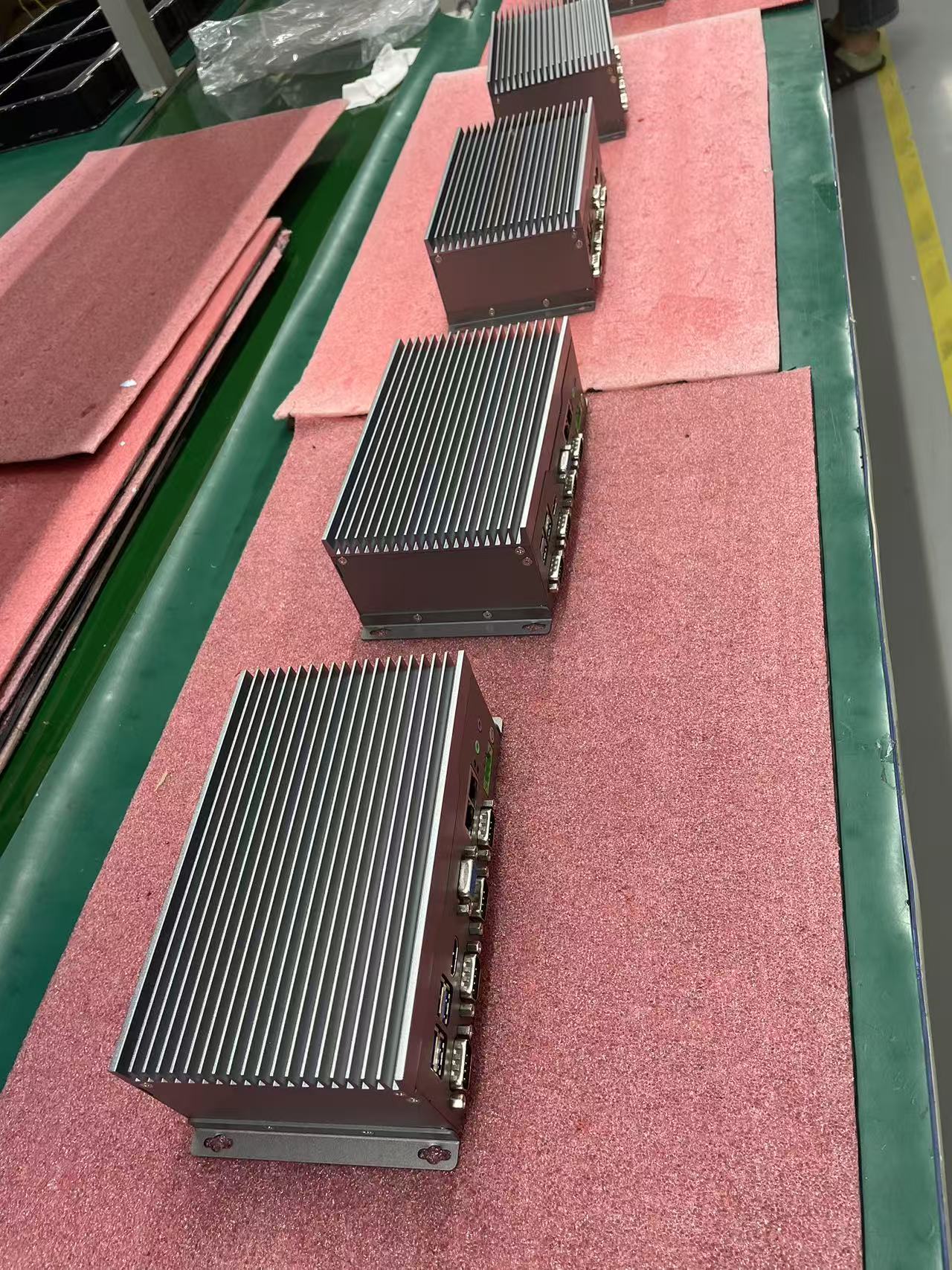
Compact and Highly Reliable Design: Self-developed cooling system (fan + heat pipe + fins) and conformal coating technology reduce controller volume by 30% for equivalent performance, support wide temperature operation from -20℃ to 60℃, achieving a perfect balance of high performance and low power consumption, undeterred by industrial-grade harsh environmental challenges such as dust, vibration, and electromagnetic interference.
Sienovo's product matrix has been progressively applied in scenarios such as humanoid robots, industrial robots, service robots, and robotic arms, and significantly reduces customer integration and maintenance costs through modular architecture and intelligent O&M kits (Assistant SDK).
The development of embodied AI robots is essentially a triangular game involving "technology-scenario-cost." Once the industry moves beyond single-point innovation, only through deep collaboration of hardware, algorithms, and systems can a qualitative leap from "functional machine" to "intelligent agent" be achieved. By anchoring on real-time control, high computational power fusion, and industrial-grade reliability, Sienovo not only provides cost-effective solutions for current scenarios but also, through an open ecosystem and continuous iteration, helps the industry accelerate towards a new era of "holistic intelligence."