[Onboard AI Box] AI + Machine Vision Applications in Engineering Vehicle Scenarios, Including DSM Driver Behavior Analysis System and BDS System Design
一、Industry Background
As the modern economy develops and urbanization accelerates, the rapid increase in urban population has led to an astonishing growth in urban waste production. With the improvement of living standards, people are paying increasing attention to health and the environment. Urban environmental sanitation is a city's living business card. Muck trucks are the main force for urban waste transportation, but during operation, they often involve frequent driving and illegal operations, impacting traffic safety.
二、Solution Structure
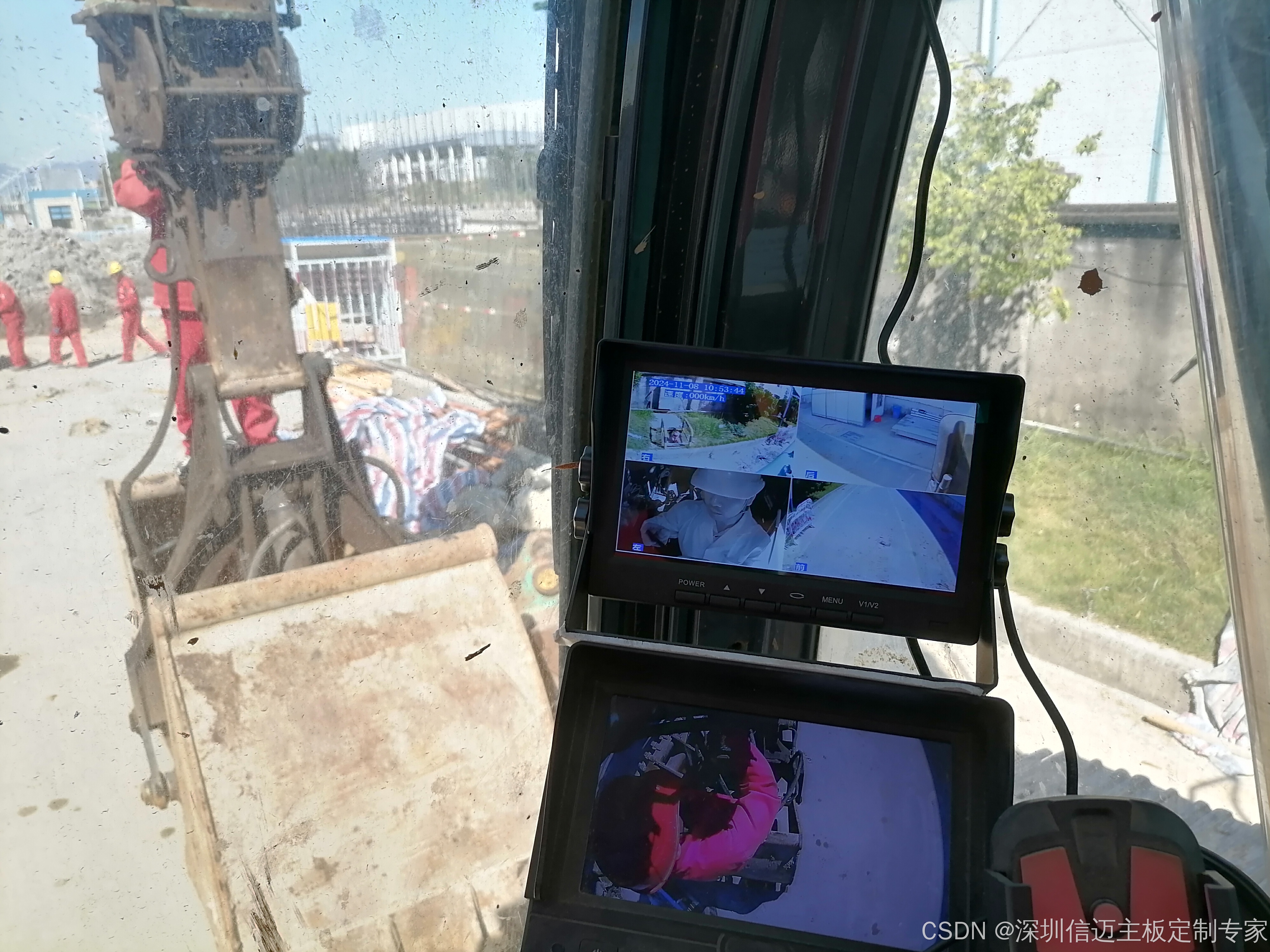
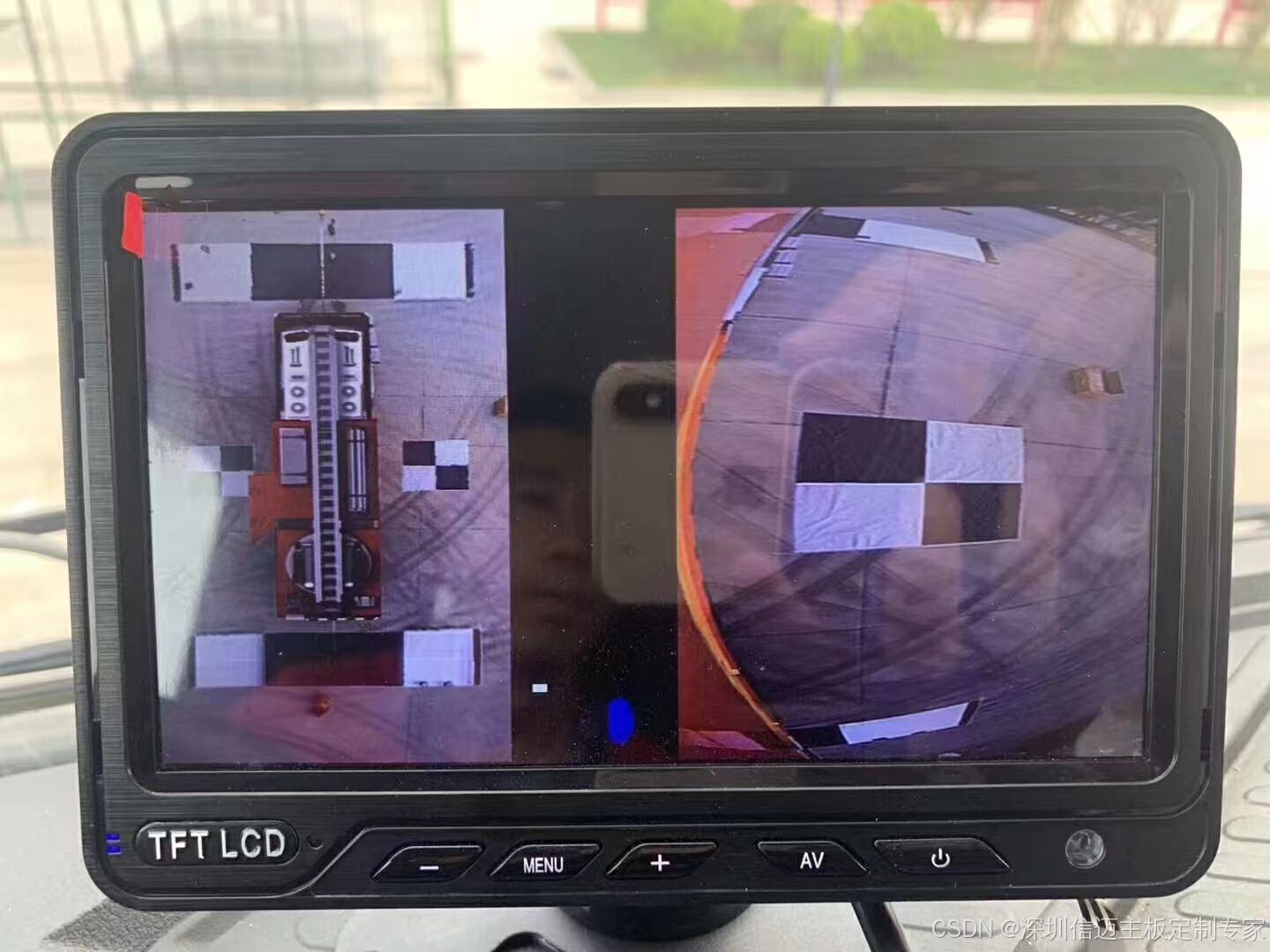
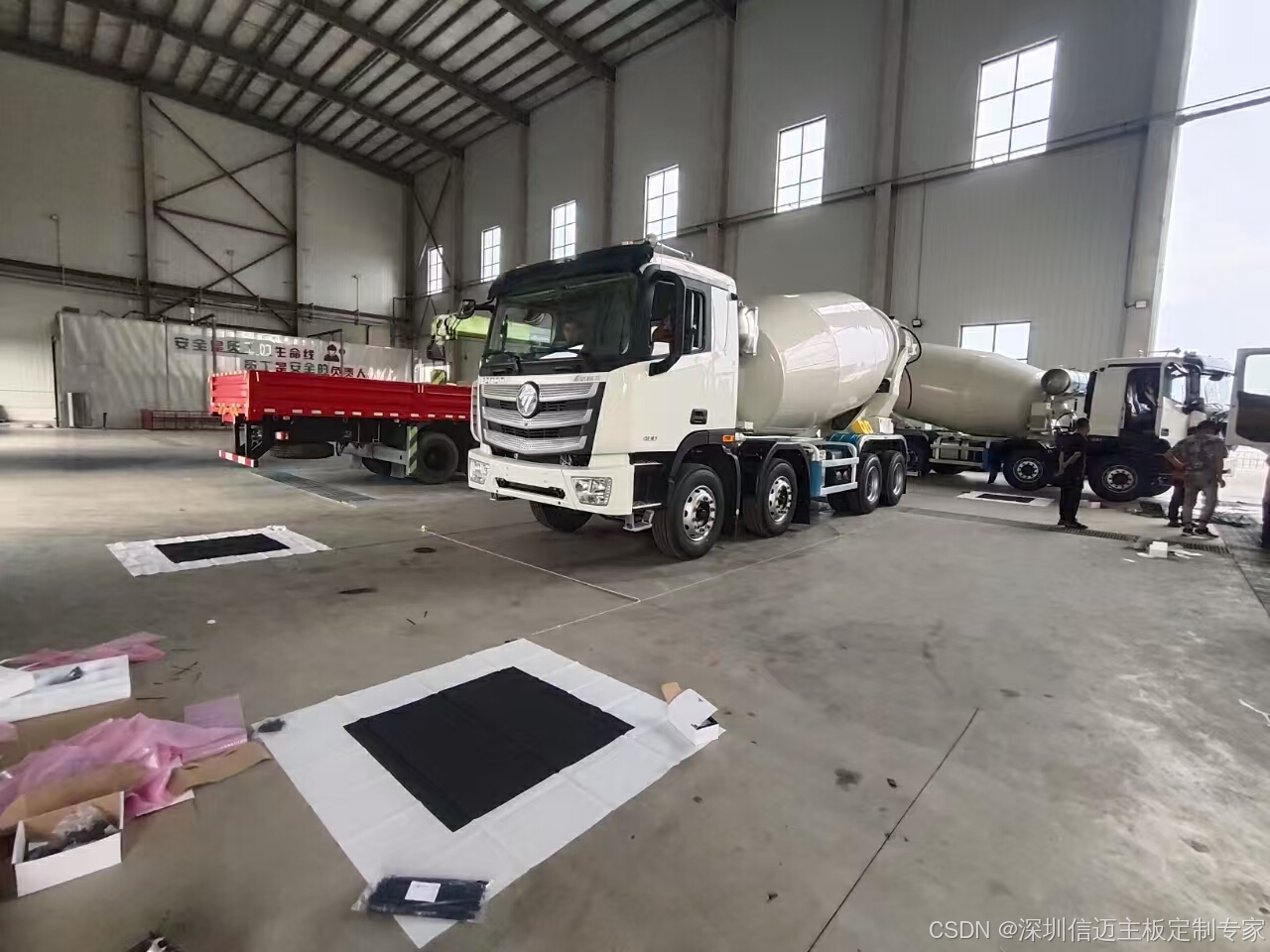
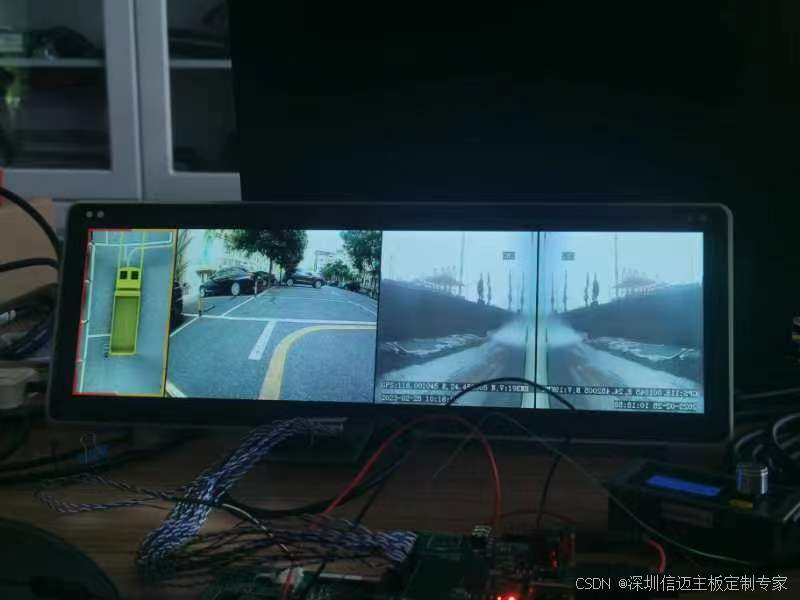
The smart management solution for muck truck transportation implements intelligent supervision through AI recognition of vehicles. Simply put, it involves installing network cameras at vehicle entry and exit points for real-time video surveillance of engineering vehicles. This system monitors engineering vehicles for abnormal information, transmits data to a platform, where it undergoes deep analysis using AI algorithms. The aggregated data is then sent to a cloud platform, enabling functions such as unattended operation, real-time monitoring, and automatic alarming. Based on the received surveillance footage, the platform deeply analyzes the vehicle's license plate, operational status, vehicle tracking, and driver behavior. Cameras automatically capture and record surveillance footage. Video stream information and alarm images are displayed on the superior regulatory platform.
三、Solution Advantages
GIS Electronic Map: Front-end devices support GPS/Beidou positioning, allowing them to transmit real-time device location information to the platform via 4G/5G wireless networks. With the GIS electronic map function, devices can be real-time located on the map, and surveillance videos can be conveniently viewed. By combining intuitive visualization of surveillance images with map operations, users can query and monitor on-site vehicle conditions, facilitating rapid vehicle location and forming a three-dimensional, spatial layout for the monitoring system.
By using video surveillance to capture and aggregate data from vehicles, the system achieves comprehensive coverage, creating a grid-based monitoring network on map roads for regional control. Status monitoring information such as device connection status, operation, bandwidth, and storage space can be managed through cloud-based operations. This enables functions like remote real-time data collection, analysis, alarming, remote intelligent control, and device status monitoring, significantly improving vehicle operational efficiency and achieving refined and efficient management.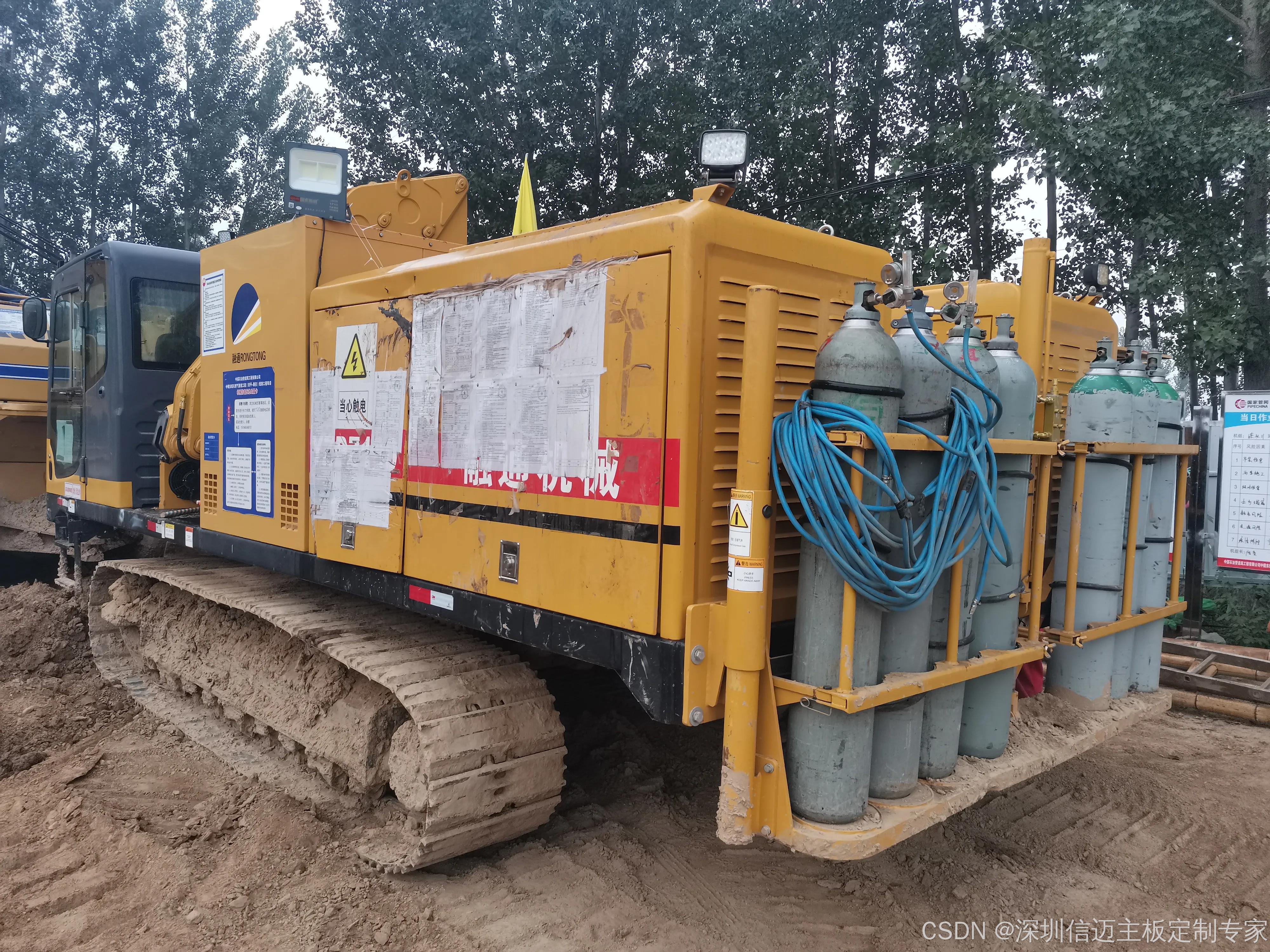
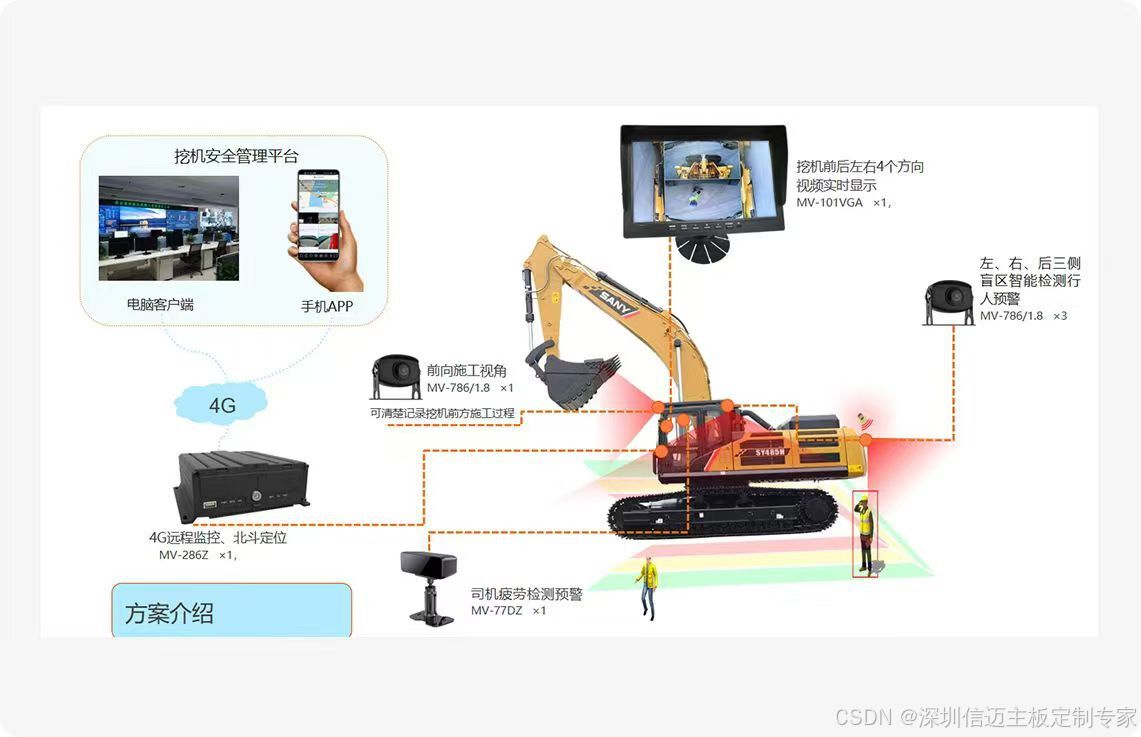
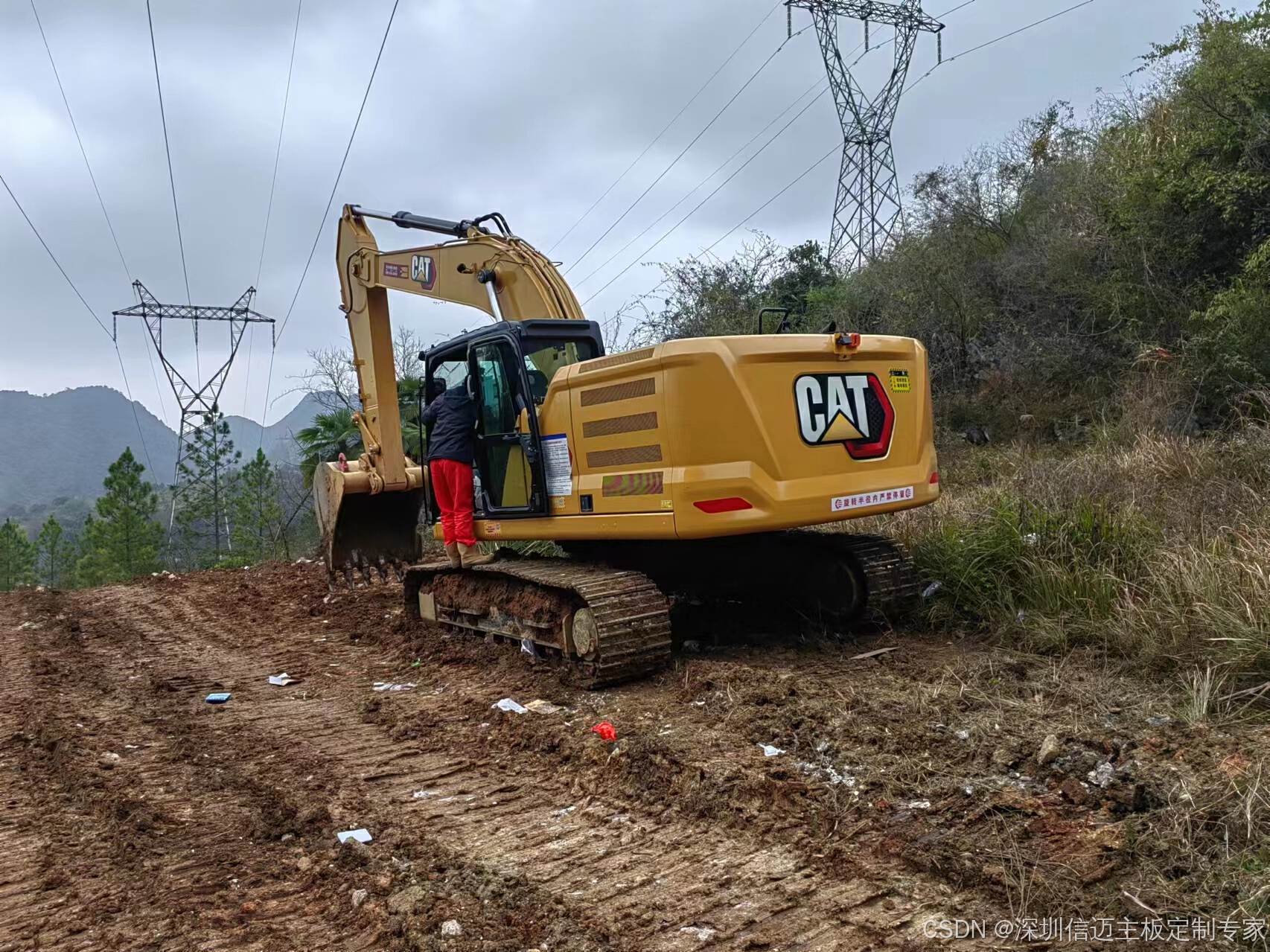
Real-time Monitoring: The system supports 24/7 recording based on business scenarios, along with video retrieval and playback. The monitoring platform can query real-time cloud recordings and historical recordings from devices. Video playback can be precisely controlled via a timeline, enabling video data traceability, retrieval, and evidence collection for monitored areas.
The platform can provide timely intelligent alerts for alarms uploaded by monitoring devices (e.g., offline, obstruction, malfunction) and abnormal situations detected by AI monitoring. These alerts include visual pop-up reminders and notifications, making it convenient for managers to view and handle them in real-time. Furthermore, the platform can capture alarm statuses and information recorded by all devices. Based on device alarm information, it can perform video clipping and obtain video screenshots at the time of the alarm.
Alarm messages can be pushed to management personnel via voice, SMS, APP, message notifications, WeChat, and other methods, facilitating timely viewing and handling. Data can be reported via mobile terminals, providing information on personnel and vehicles without manual control. If a damaged license plate or uncovered tarpaulin (not in accordance with regulations) is detected, an alarm is triggered again, notifying superior management and reminding relevant personnel to address the issue promptly.