Intelligent Transportation: Application of Onboard Smart AI Boxes in Intelligent Management Systems for Muck Trucks, Construction Vehicles, and Sanitation Vehicles (Part 2)
-
-
- Vehicle Smart Lift Restriction
-
When a vehicle is heavily loaded, its dump bed can only be lifted at designated locations (typically construction sites and disposal sites) to prevent unauthorized dumping of muck.
If a heavily loaded vehicle attempts to lift its dump bed at an unauthorized location, the lifting mechanism will be restricted and unable to operate. Even if the lifting control is manually tampered with, the onboard terminal will report the unauthorized lifting alarm information to the platform.
-
-
- Vehicle Smart Locking and Unlocking
-
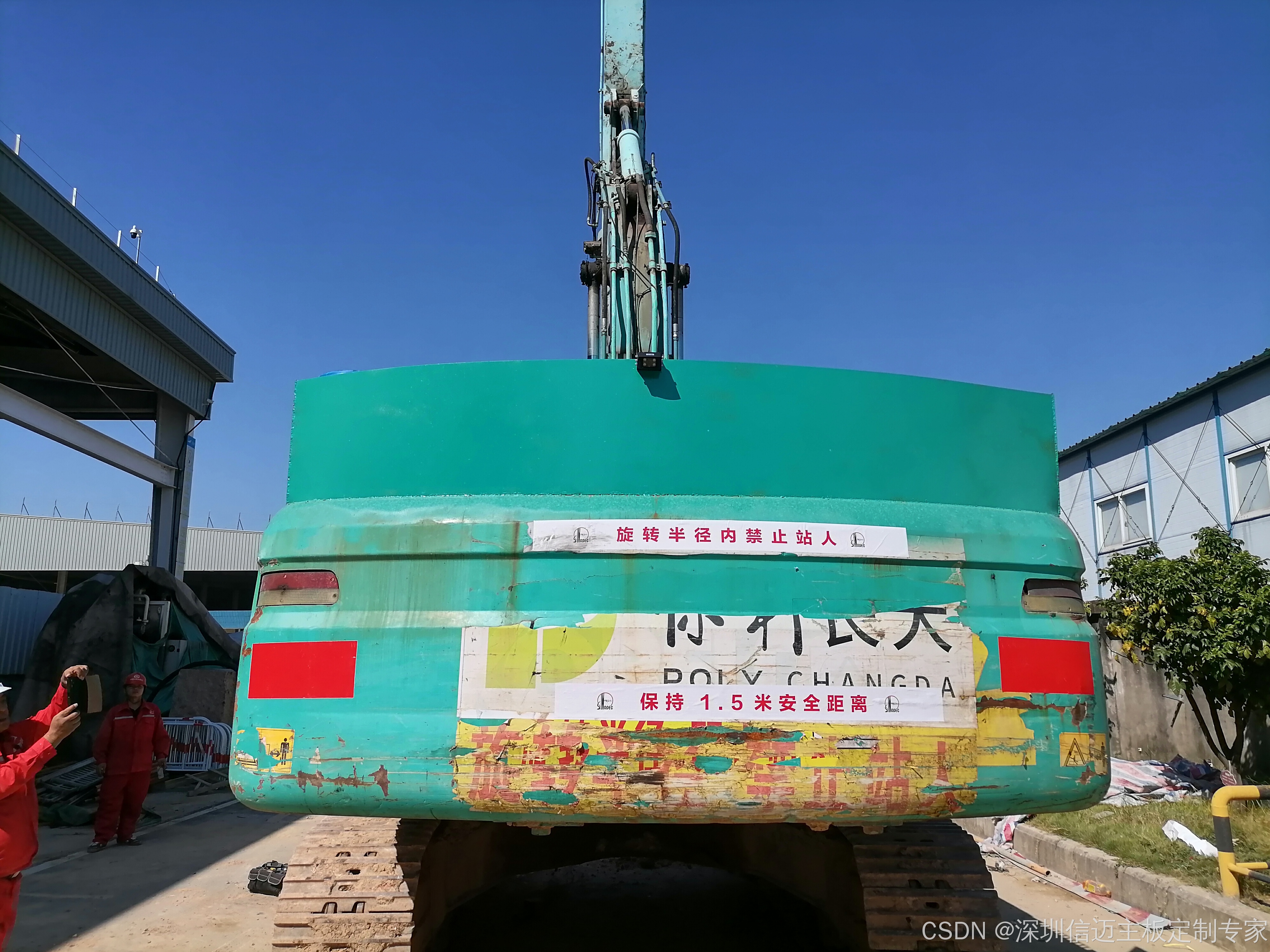
In cases of serious violations such as unauthorized dumping or entering restricted areas, the vehicle will be locked and unable to start. It will require management personnel to unlock it and impose penalties.
In special circumstances, the platform can temporarily lock or unlock designated vehicles.
-
- Data Statistics and Analysis
- Operational Statistics for Construction Sites and Disposal Sites
- Data Statistics and Analysis

Reports are generated for muck excavation volumes at construction sites and muck reception volumes at disposal sites, which are then compared against the estimated values from the site approval process. This enables quantitative assessment of muck volumes.
-
-
- Fleet and Vehicle Management and Statistics
-
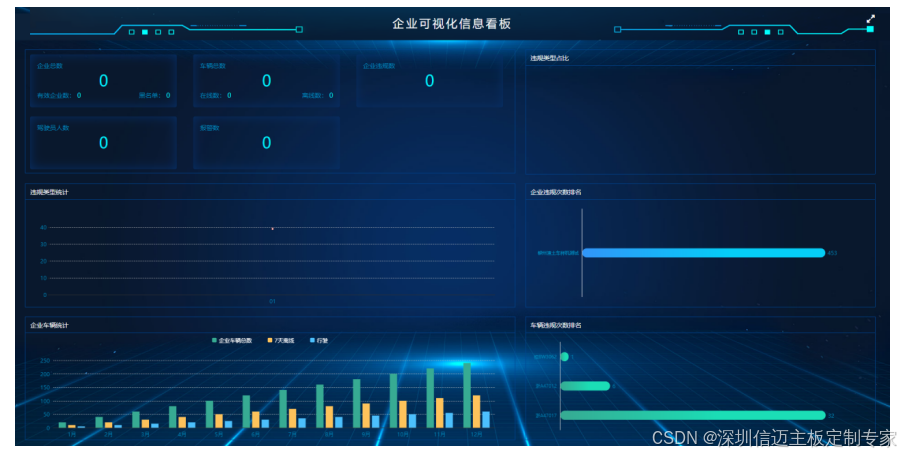
Information such as fleet and vehicle mileage, operating range, and violation status is collected, and data reports are automatically generated. These reports serve as a basis for management and assessment by urban management authorities, traffic police, and transportation companies.
-
-
- Transported Earthwork Volume (Trips) Statistics
-
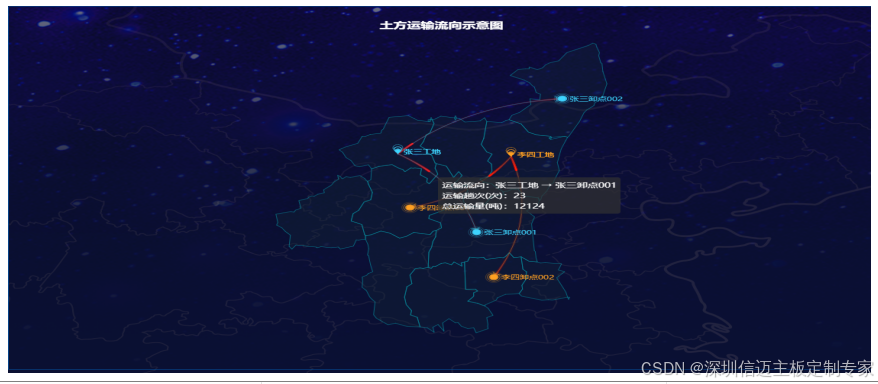
The onboard terminal can calculate the number of trips for the vehicle based on its software program design. The platform can statistically summarize vehicle trip counts, construction site excavation volumes, disposal site reception volumes, and enterprise transportation status based on the trip data reported by the onboard terminals. The summarized data generated can be cross-referenced with declared data to promptly adjust earthwork-related regulatory plans, and also serve as a basis for settlement between transportation companies and drivers.
-
-
- Intelligent Recognition and Statistics of Illegal Transportation Behaviors
-
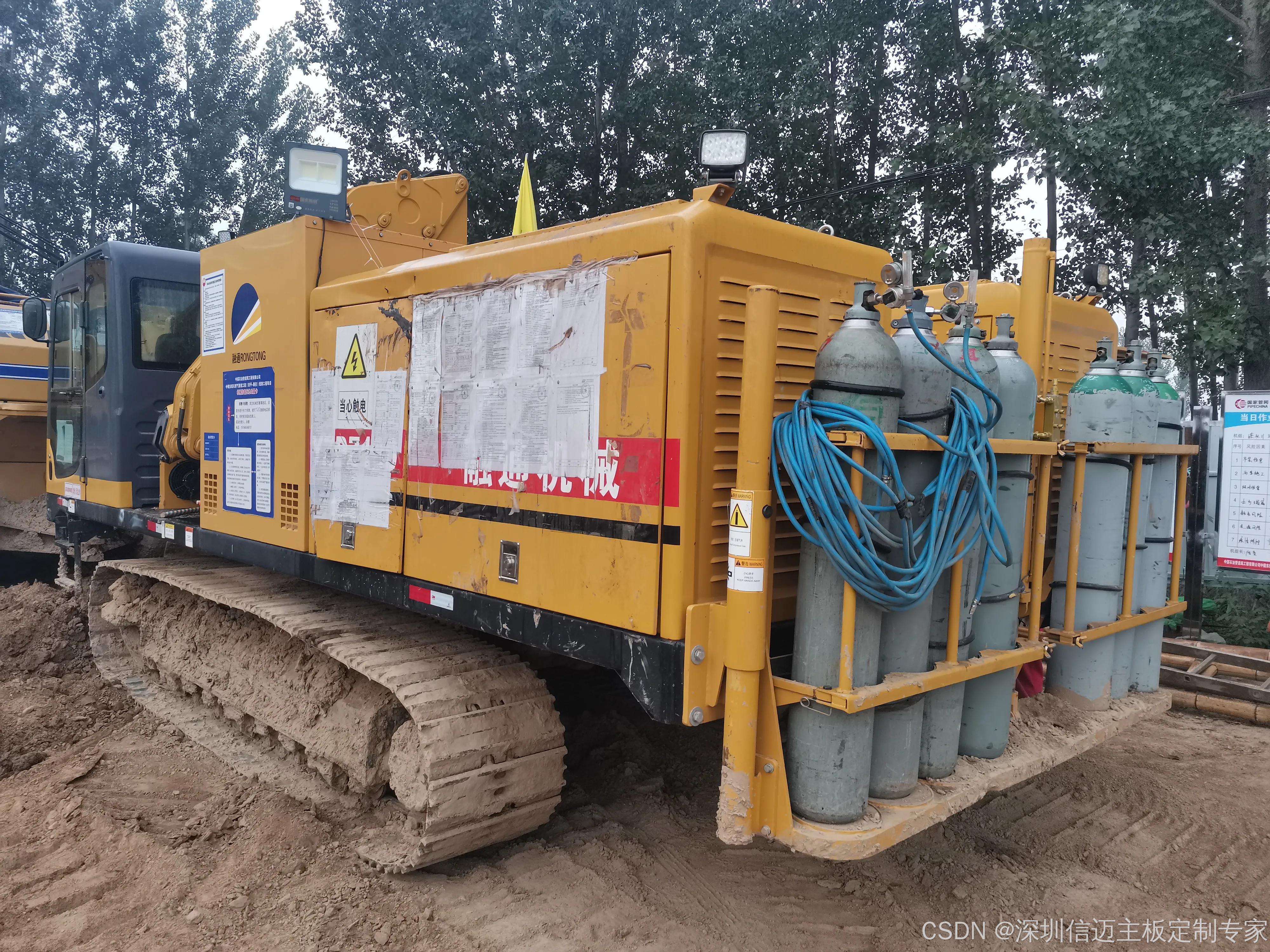
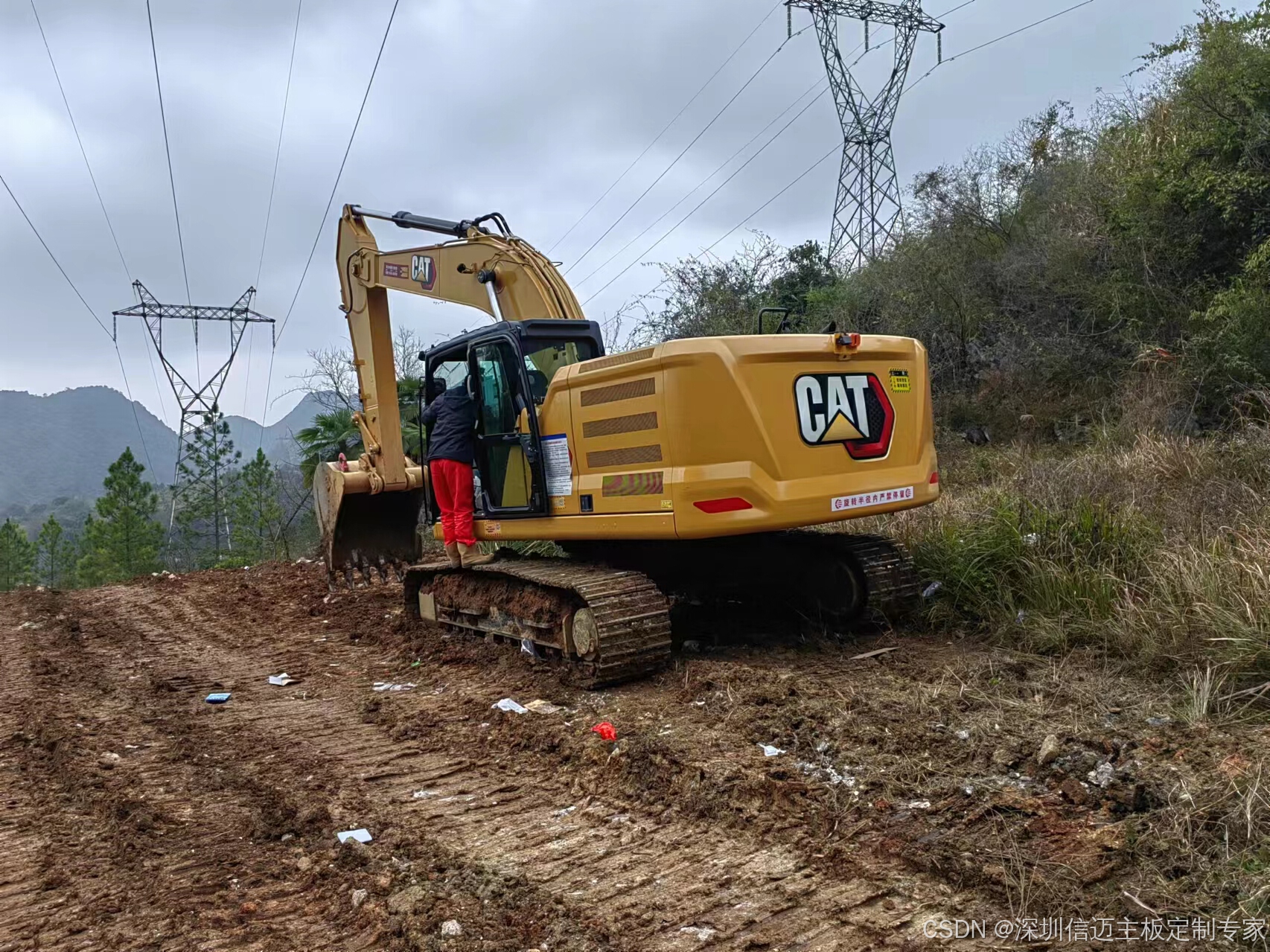
When a vehicle exhibits the following illegal transportation behaviors, the onboard terminal can automatically identify them, implement speed limits or vehicle locking, and simultaneously report to the platform:
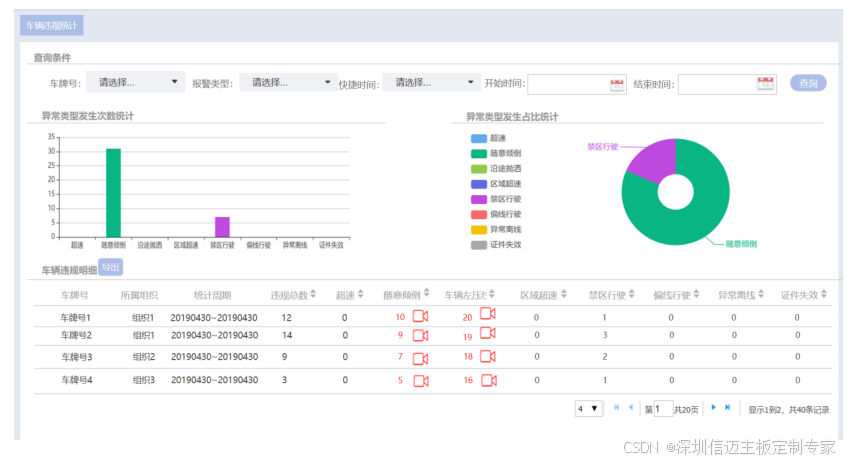
Unauthorized entry into excavation construction sites, driving into restricted areas, unsealed dump bed, abnormal GPS signal, GPS jamming, geofence violation, SIM card failure, prolonged network disconnection, GNSS failure, or sensor (including lift, loaded/unloaded status, and dump bed cover) failure or loss of connection.
-
-
- Intelligent Recognition and Statistics of Illegal Driving Behaviors
-
Real-time alerts and statistical reporting to the platform are provided for poor driving behaviors and violations. Behaviors such as speeding, fatigued driving, sudden acceleration, sharp turns, and not using turn signals when turning are managed to improve driving safety.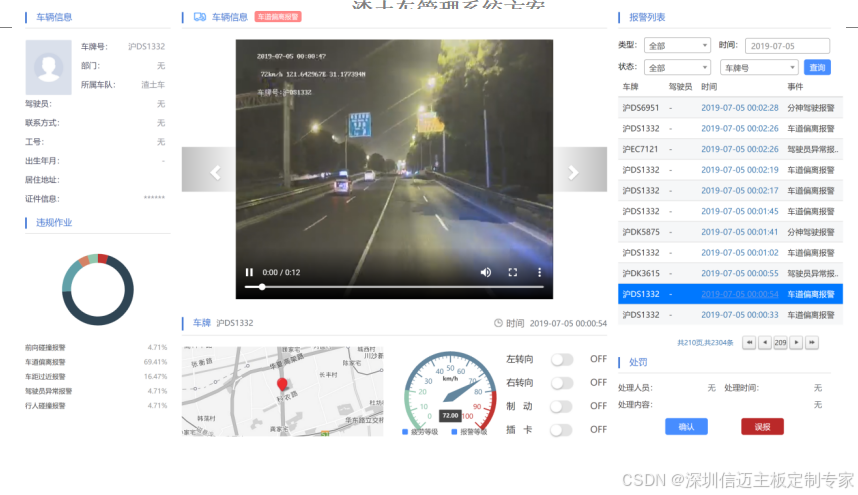
-
- Blind Spot Monitoring
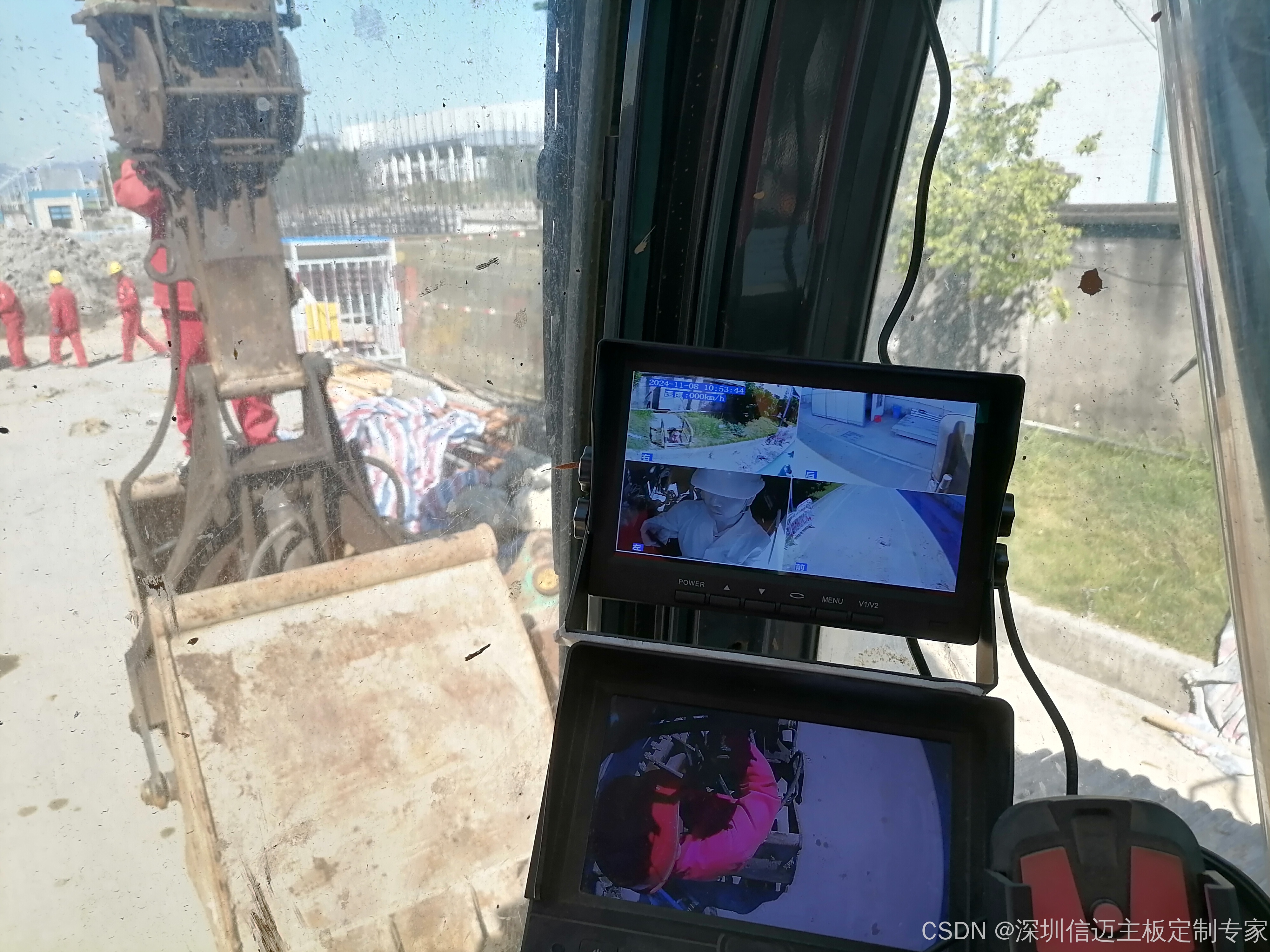
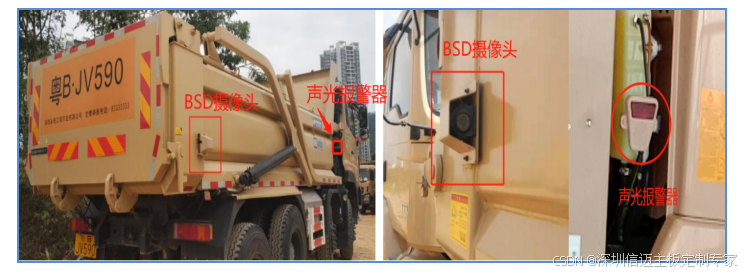
The system supports the installation of four cameras, with driver monitoring inside the cab and dump bed cover monitoring being mandatory. It also supports the expansion of at least two additional video channels. This helps prevent casualties and accidents caused by blind spots. Intelligent pedestrian recognition in blind spots uses image recognition technology to detect pedestrians, triggering external audible and visual alarms, in-cab alerts for the driver, and reporting image data to the platform.
-
-
- Blind Spot Pedestrian Recognition (BSD)
-
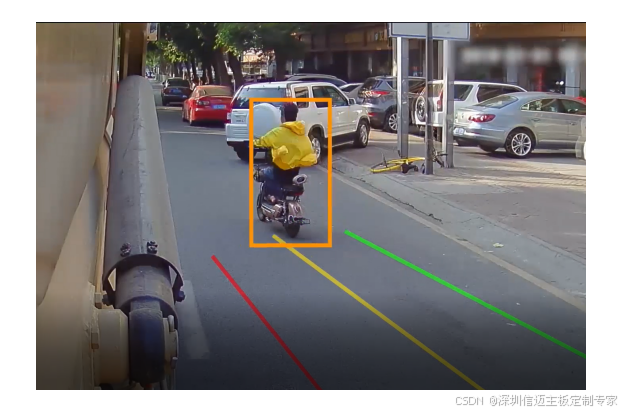
Supports recognition of pedestrians, electric bike riders, and bicycle riders within the right-front blind spot, and can distinguish between pedestrians and ordinary obstacles.
-
-
- Operating Hours
-
The blind spot pedestrian monitoring function remains continuously active when the vehicle's ACC is ON.
-
-
- Blind Spot Pedestrian Collision Warning
-
A pedestrian within 3m of the vehicle's right side should trigger a Level 3 right-side pedestrian collision warning; within 2m, a Level 2 warning; and within 1m, a Level 1 warning.
A high-definition wide-angle camera is installed on the top front of the vehicle. By real-time collection of video data from the area in front of the vehicle, and comparison against the BSD image algorithm recognition library, precise recognition of target objects within that blind spot is achieved. Ultimately, timely warnings are issued to the driver via the in-cab onboard monitoring screen, thereby reducing the likelihood of accidents.