Application of RK3568-based Energy Storage Technology ECU in Power Systems
Research on the Application of Energy Storage Energy Management Units (EMU) in Power Systems and the Implementation of Primary Frequency Regulation AGC-AVC Functions:
Abstract:
With the rapid development of renewable energy and the intelligent transformation of power systems, energy storage technology and its management systems are playing an increasingly important role in power systems. The Energy Storage Energy Management Unit (EMU), as the core controller of energy storage systems, possesses functions such as monitoring, control, optimization, and dispatch. This paper first introduces the basic concepts and functions of Xinmai Energy Storage EMU, then discusses in detail the application of EMU in different fields through specific examples, and analyzes how EMU achieves primary frequency regulation (AGC) and (AVC) functions to improve power system stability and energy utilization efficiency.
Keywords: Energy Storage Energy Management Unit; Primary Frequency Regulation; Automatic Voltage Control; Power System; Application Examples
I. Introduction
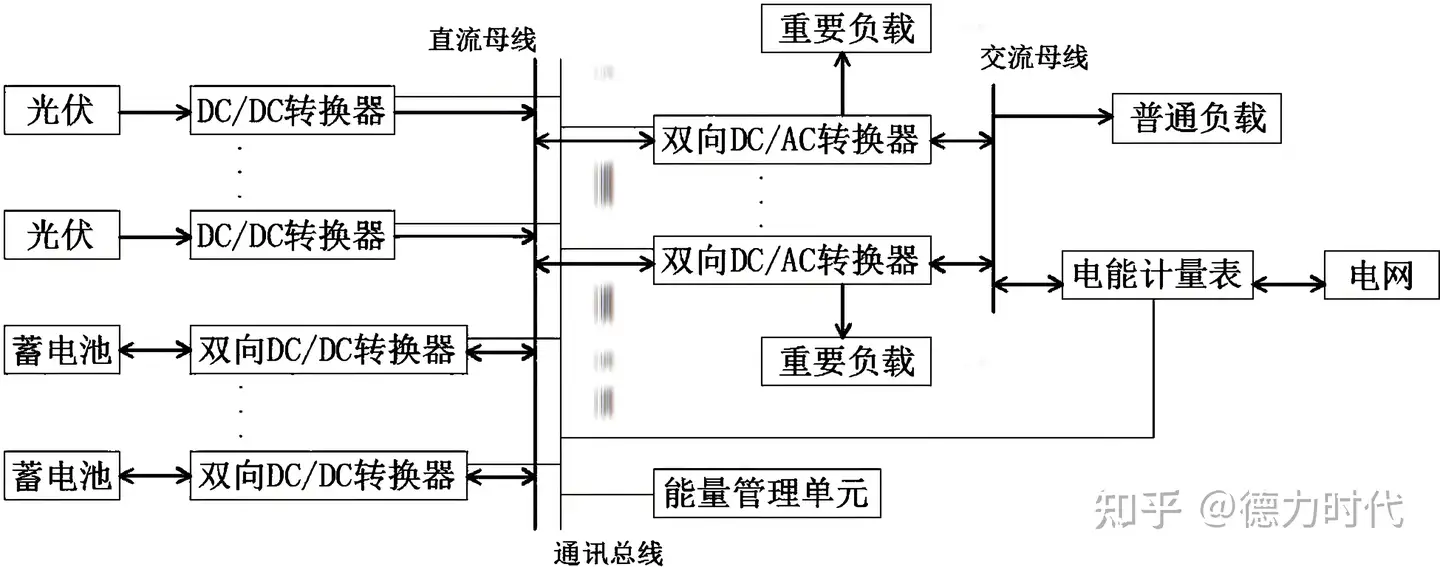
With the adjustment of the global energy structure and the continuous reform of electricity markets, power systems are facing increasingly complex and dynamic operating environments and challenges. Particularly with the large-scale grid integration of renewable energy and the widespread application of distributed energy resources, issues such as power system supply-demand balance, voltage stability, and frequency regulation have become increasingly prominent. To address these issues, energy storage technology and its management systems have become crucial support for power systems. The Energy Storage Energy Management Unit (EMU), as the core controller of energy storage systems, achieves optimized dispatch and stable operation of power systems by real-time monitoring, analysis, and control of energy storage equipment operating status.
II. Overview of Energy Storage Energy Management Unit (EMU)
The Energy Storage Energy Management Unit (EMU) is the core controller of an energy storage system, responsible for monitoring, controlling, optimizing, and dispatching the operating status of energy storage equipment. The EMU connects to the power system via communication interfaces, receiving real-time operating status information and control commands from the power system, and performing corresponding control operations on the energy storage equipment based on this information and commands. The main functions of EMU include real-time monitoring and analysis, control and regulation, fault diagnosis and maintenance, and data communication and management.
III. Functions of the Energy Storage Energy Management Unit (EMU)
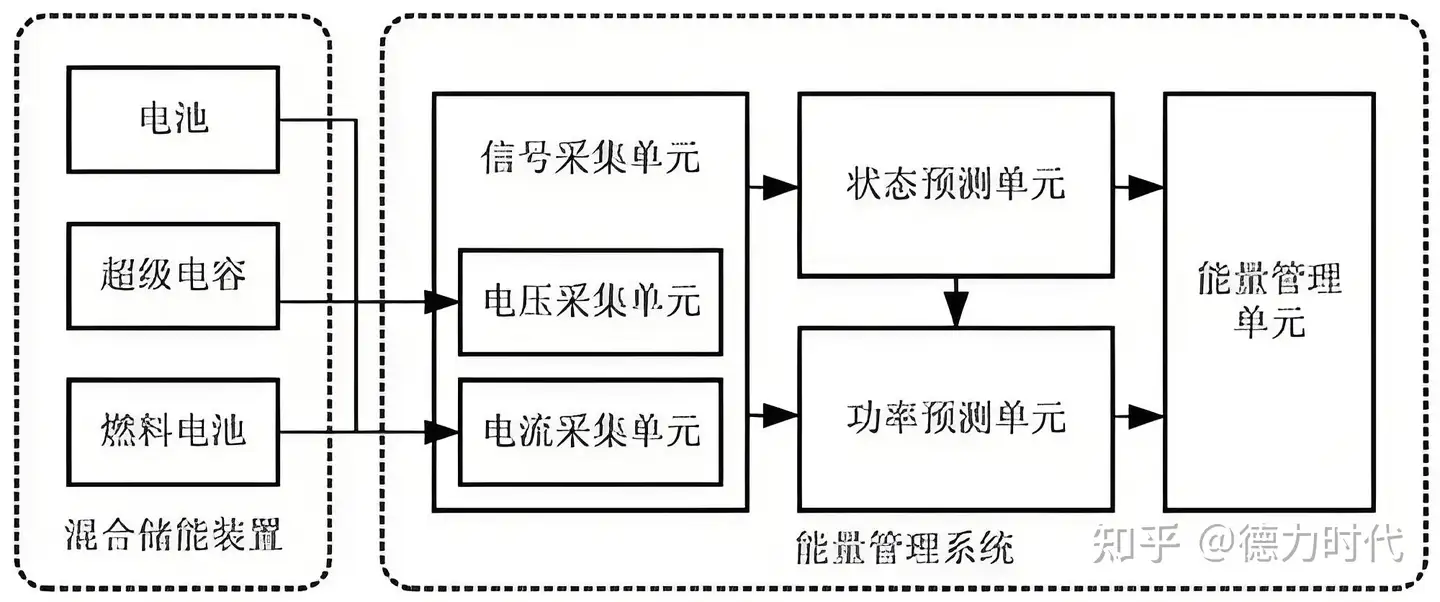
l Energy Monitoring and Analysis: EMU can real-time monitor and analyze energy system data, including energy generation, storage, conversion, and usage, as well as environmental conditions. By analyzing this data, the system's operating status and performance can be understood, providing data support for optimizing the energy system.
l Energy Control and Regulation: EMU can achieve efficient energy utilization and conservation by controlling and regulating various equipment and parameters based on the system's operating status and demands. For example, it can control generator output power, regulate battery charging and discharging processes, and manage electric vehicle charging and discharging.
l Fault Diagnosis and Maintenance: EMU can real-time monitor the operating status of the energy system, detect and diagnose system faults and problems, providing support for system maintenance and repair. It can promptly identify and address system faults and issues through automatic alarms, remote monitoring, and other methods.
l Data Communication and Management: EMU performs data communication and management with external devices and systems through communication modules, including data exchange and sharing with monitoring centers and other energy systems. This capability allows EMU to collaborate with other systems, improving the efficiency and reliability of the entire energy system.
IV. Application Examples of EMU in Different Fields
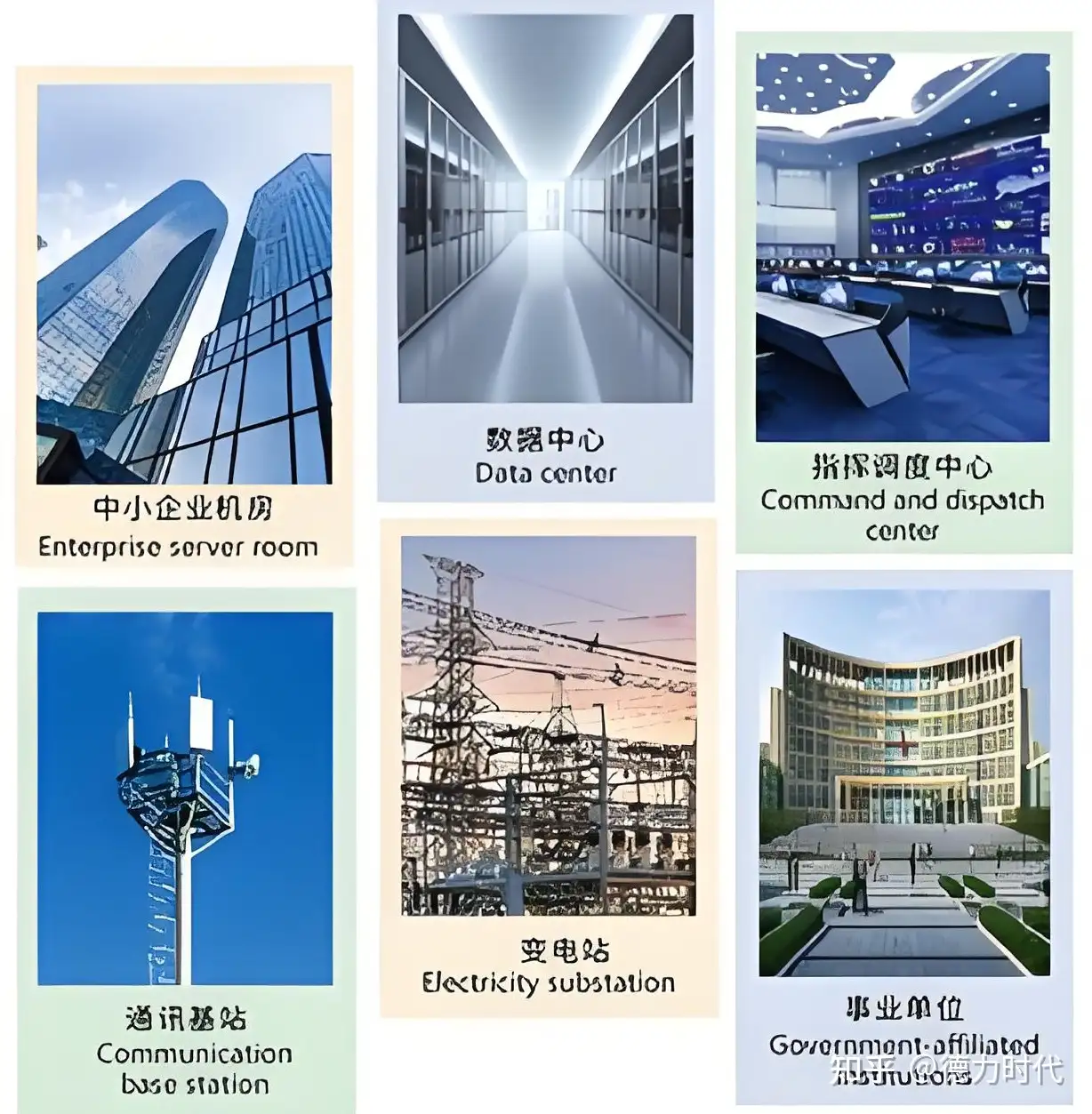
l Applications in Power Systems: In power systems, EMU is widely applied in energy storage power stations. By real-time monitoring the operating status of the power system and controlling the charging and discharging processes of energy storage equipment, EMU can achieve frequency and voltage regulation of the power system, enhancing its stability and energy utilization efficiency. Concurrently, EMU can optimize the charging and discharging strategies of energy storage equipment based on power system demands and the status of the energy storage equipment, thereby reducing energy costs and extending equipment lifespan.
l Applications in New Energy Vehicles: In the new energy vehicle sector, EMU is used in (BMS). By real-time monitoring parameters such as battery pack voltage, current, and temperature, EMU can assess the battery pack's health status and remaining charge, providing drivers with accurate range information. Furthermore, EMU can optimize battery charging and discharging strategies based on driver habits and vehicle load conditions, improving battery usage efficiency and lifespan.
l Applications in Industrial Automation: In the industrial automation field, EMU is utilized in smart grids and distributed energy systems. By real-time monitoring energy generation, storage, and consumption within microgrids, EMU can achieve energy balance and stable operation of the microgrid. Additionally, EMU can optimize energy dispatch and allocation based on microgrid energy demands and external environmental conditions, thereby improving energy utilization efficiency and reducing energy costs.
V. EMU Implementation of Primary Frequency Regulation (AGC) and Automatic Voltage Control (AVC) Functions
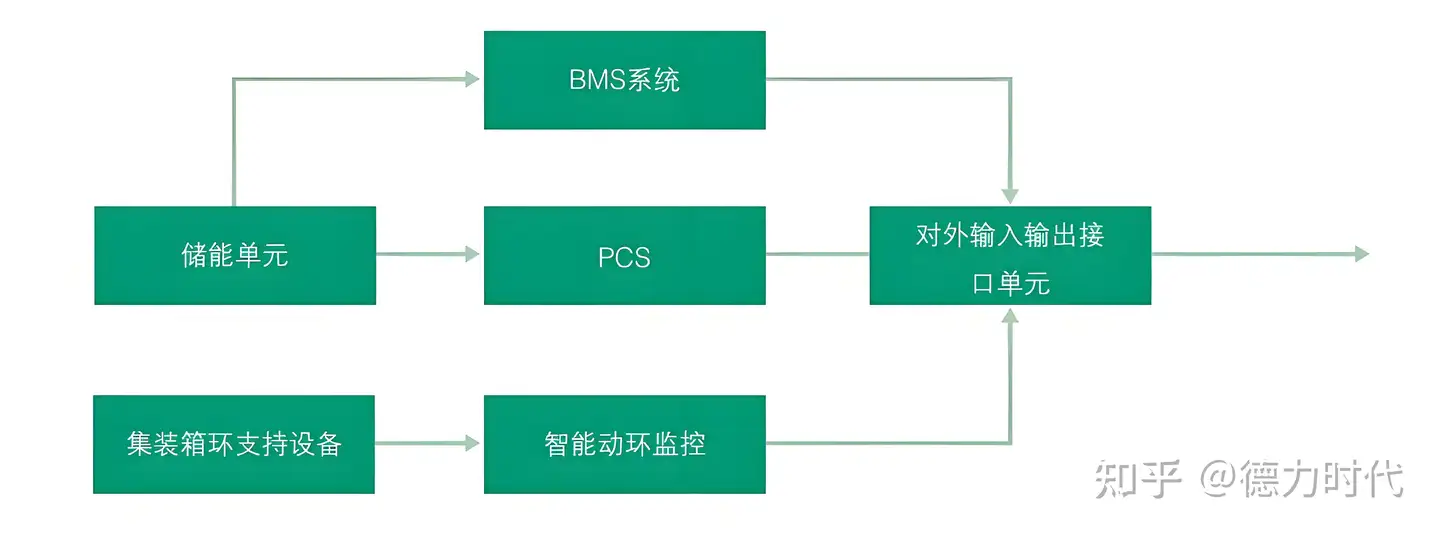
Automatic Generation Control (AGC) and Automatic Voltage Control (AVC) are key control technologies in power systems used to maintain power system frequency and voltage stability. Energy storage EMU, by real-time monitoring the operating status of the power system and controlling the charging and discharging processes of energy storage equipment, can achieve frequency and voltage regulation of the power system, thereby implementing primary frequency regulation and automatic voltage control functions.
l Primary Frequency Regulation (AGC) Function Implementation: During primary frequency regulation, EMU real-time monitors changes in power system frequency and calculates the output power adjustment amount for energy storage equipment based on the system's load change rate. Then, EMU regulates the power system frequency by controlling the charging and discharging processes of the energy storage equipment. When the system frequency is low, EMU controls the energy storage equipment to discharge, increasing the system frequency; when the system frequency is high, EMU controls the energy storage equipment to charge, decreasing the system frequency. In this way, EMU can effectively maintain power system frequency stability.
l Automatic Voltage Control (AVC) Function Implementation: During automatic voltage control, EMU real-time monitors changes in power system voltage and calculates the reactive power adjustment amount for energy storage equipment based on the voltage deviation and the system's reactive power changes. Then, EMU regulates the power system voltage by controlling the reactive power output or absorption process of the energy storage equipment. When the system voltage is low, EMU controls the energy storage equipment to absorb reactive power, increasing the system voltage; when the system voltage is high, EMU controls the energy storage equipment to output reactive power, decreasing the system voltage. In this way, EMU can effectively maintain power system voltage stability.
VI. Conclusion
The Energy Storage Energy Management Unit (EMU), as the core controller of energy storage systems, plays a crucial role in power systems. By real-time monitoring, analysis, and control of energy storage equipment operating status, EMU can achieve optimized dispatch and stable operation of power systems. Particularly by implementing primary frequency regulation (AGC) and automatic voltage control (AVC) functions, EMU can effectively maintain power system frequency and voltage stability, enhancing power system stability and energy utilization efficiency. With the continuous development of power systems and the ongoing advancement of energy storage technology, EMU will play an increasingly important role in more fields.