NXP LS1028+FPGA Smart Networking Solution for Rail Transit and Industrial Control Applications
With the rapid development and application of technologies such as the Internet of Things (IoT), big data, and artificial intelligence, immense challenges have been brought to the traditional cloud computing model. This has also spurred a transformation in computing paradigms, leading to the birth of edge computing.

Edge computing refers to an open platform that integrates core capabilities in networking, computing, storage, and applications on the side closer to the physical objects or data sources, providing services at the nearest point. Simply put, it means that after computing and processing data locally at the point of data collection (e.g., timestamping, data formatting, classifying events and process data), "on-site" decisions are made based on the results, followed by operations such as storing the processed data or forwarding it to a cloud platform.
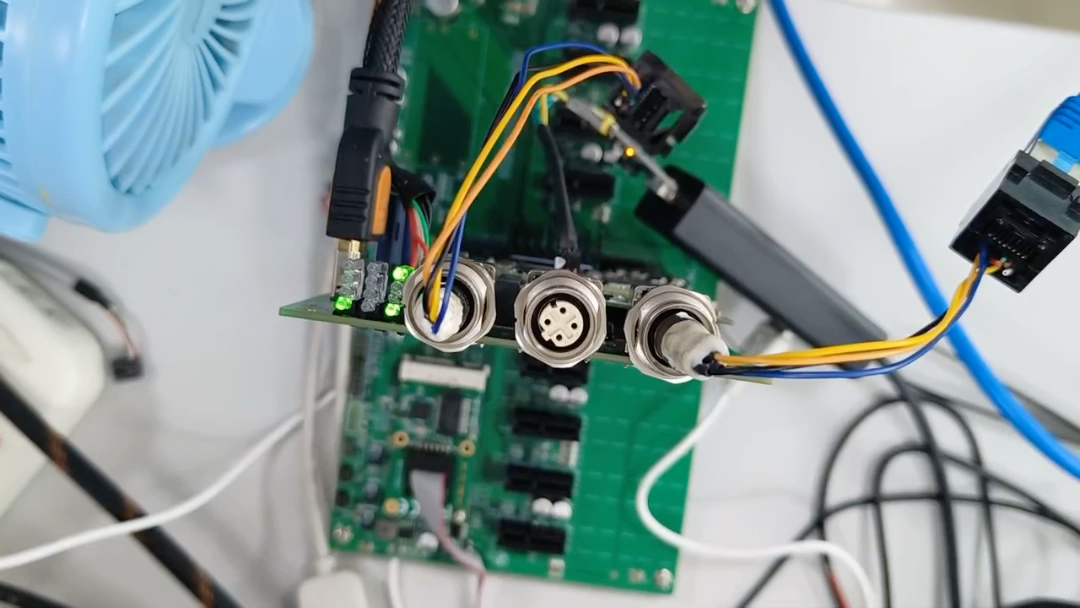
Edge computing offers the following advantages compared to cloud computing:
Security: Raw data is processed locally, addressing the issue of long transmission paths for private data to data centers, which can easily lead to risks such as data loss or information leakage.
Low Latency: Edge gateways make "on-site" decisions based on predefined business logic, eliminating the bidirectional transmission delay between terminals and cloud centers.
High Reliability: No longer relying on a central server, each edge gateway acts as an edge server, with distributed deployment, preventing widespread shutdowns and production halts caused by central server failures.
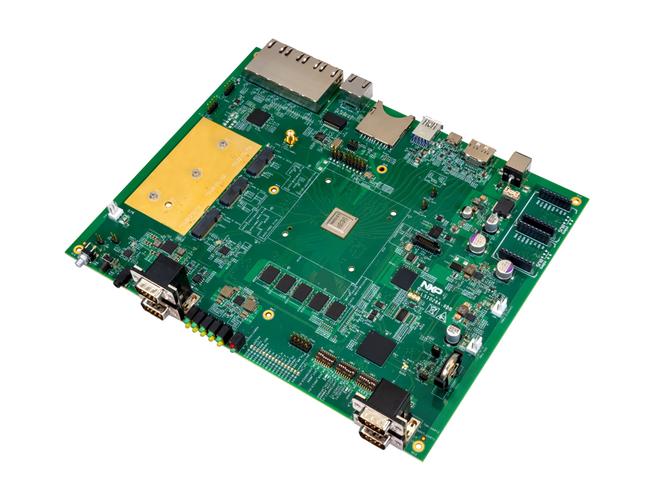
As the carrier of edge computing services, edge computing gateways play a crucial role. Whether it's the diversity of sensor interfaces, networking methods supported, or the CPU's computing power, all impact the capabilities of edge computing. Especially in the context of the Industrial Internet, the convergence of IT and OT is also an important capability that edge gateways must possess. The FET1028A-C features 6 Gigabit Ethernet ports supporting TSN and has a built-in 4-port TSN-enabled switch, meeting the requirements for converged communication of IT and OT networks in industrial settings.
Edge Computing Gateway Architecture
Industry Applications