Integrated EtherCAT+ADC+IO Testing Solution Based on ARM+FPGA
Supported Hardware Standards and Custom Platforms:
X86: INTEL
ARM: RK3568/RK3588/TI/NXP/ Raspberry Pi /Allwinner T3/A40i, etc.
FPGA: Xilinx A7/K7/SPARTAN6, Anlogic, Unigroup, etc.
Some time ago, I shared Schneider's first EtherCAT bus-supported motion controller developed based on CODESYS. CODESYS + EtherCAT + X86 hardware platform: the standard configuration for high-performance motion control.
My first exposure to CODESYS was over ten years ago when using Beckhoff controllers. Later, around 2015, I gradually encountered some domestic controllers developed based on CODESYS. To be honest, at that time, there weren't many stable domestic controllers based on the CODESYS platform available.
In the past two years, motion controllers based on CODESYS+EtherCAT+X86 hardware platforms have been emerging like mushrooms after rain. Especially after adopting X86 industrial PCs, the hardware level differences among various manufacturers are not significant; the main difference in user experience comes from the secondary development of the host software by controller manufacturers. Below is a list of brands I have encountered and used:
1. Inovance Technology: AC800 series, a well-deserved reputation as a domestic leader. This also stands as a direct competitor to Beckhoff and Omron NJ in the photovoltaic and lithium battery industries. My personal feeling is that the highlight is: integrated industry process libraries. Although these libraries are essentially host software libraries, they are packaged very practically.
The AC800 high-performance intelligent machine controller is a high-performance multi-axis motion controller based on the Intel X86 processor hardware platform, compliant with PLCopen specifications. Using EtherCAT as the bus, it can achieve multi-axis servo control, and is particularly suitable for controlling high-speed production equipment and large-scale machinery in advanced manufacturing.
The rapid development of industrial automation, IoT, and intelligent manufacturing has stimulated enormous demand for product solutions across various industries. While design firms possess advantages in system integration, platform construction, and application layers, in the face of diverse terminal devices, they lack specialized technical accumulation and experience and are facing significant challenges in the current environment of increasingly shortened product development cycles. To address this, Xinmai Technology has launched client-oriented hardware design services and EMC value-added services, aiming to precisely address customer product development pain points, assist customers with product design and certification, shorten customer R&D cycles, and accelerate the time-to-market for customer products.
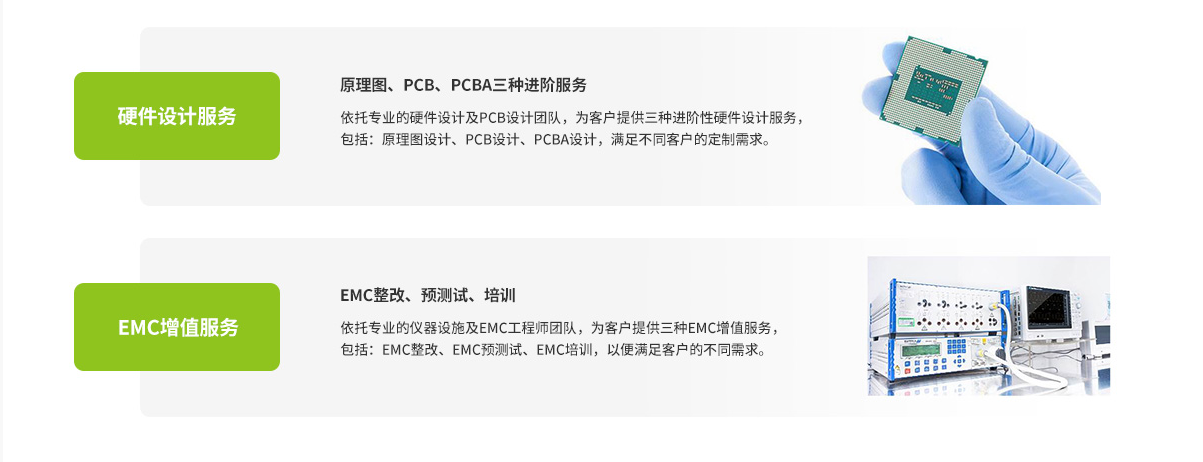
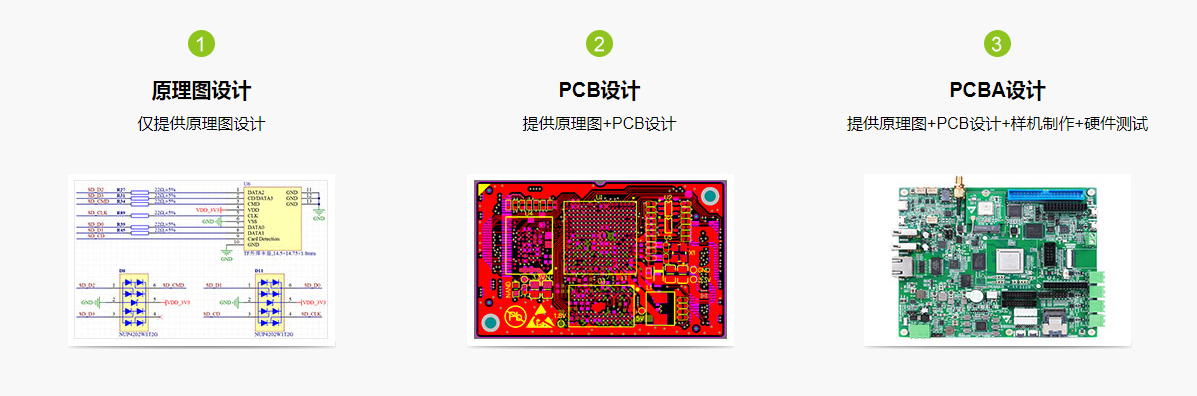
Hardware Design Services
Three progressive services to meet different customer needs.
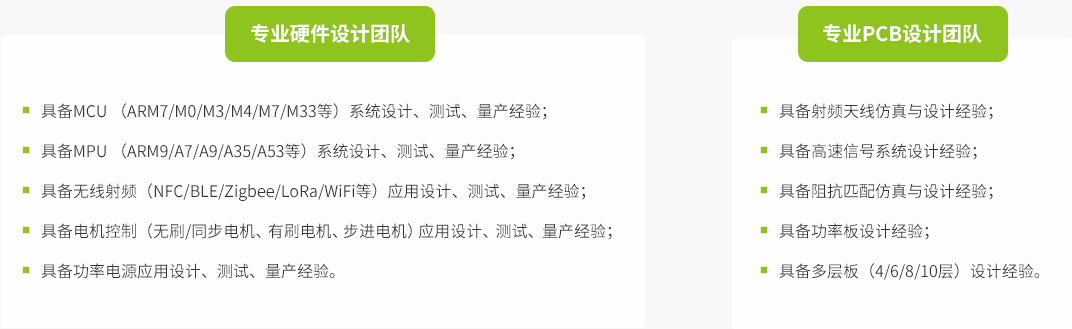
Team Capability Showcase
Over ten years of design experience accumulation, rich experience.