Railway Train Control and Management System (TCMS) Integrated Display Unit, DDU Driver Display Unit, Compliant with European Railway Application Standard EN50155
Railway TCMS System Integrated Display Unit
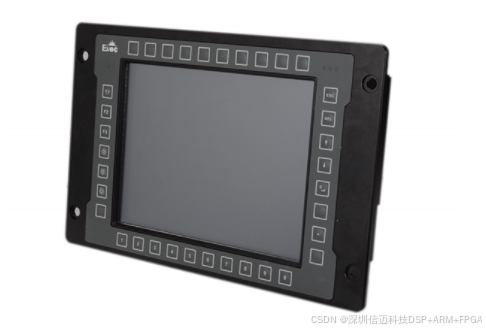
The DDU, also known as the Driver Display Unit, is used to show the driver the operating status of the signaling system and traction system, and is widely applied in metro and railway rolling stock.
This is a railway TCMS system integrated display unit, featuring an Intel@ ATOM™ N2600 processor. It is designed for operation in TX temperature environments ranging from -40 to +70ºC and meets the electromagnetic compatibility, shock, and vibration test requirements of the European railway application standard EN50155. It is a hardware display unit specifically designed for Railway Train Control and Management Systems (TCMS).
- High-brightness, sunlight-readable touchscreen display with automatic brightness adjustment based on ambient light.
- Intel@ ATOM™ N2600 dual-core processor, 2GB DDR3 memory.
- Die-cast magnesium-aluminum alloy enclosure, front panel IP65, rear IP42.
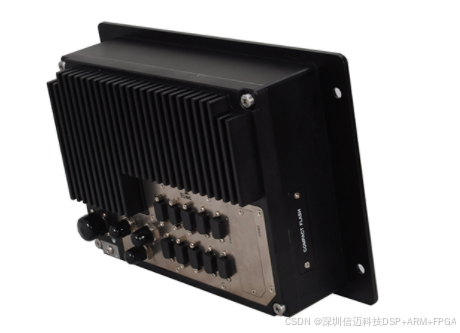
- 2 x M12-D 10/100Mb Ethernet ports, upgradeable to 1000Mb.
- DC16V ~ 160V or DC60-160V input, suitable for various customer power supply requirements.
- PC104 slot for MVB, CANOpen, Profibus expansion cards.
- 2 x DB9 isolated serial ports: 1 x RS23, 1 x RS485.
- Compliant with European Railway Standard EN 50155.
System Configuration
Processor: Onboard Intel@ ATOM™ N2600 _1.6G dual-core processor
Chipset: Intel@ ATOM™ N2600 + NM10
Memory: Onboard DDR3 800MHZ 2GB memory
Display
Display Screen: 10.4″ (TRW-1031D)
Resolution: 800×600 (10.4″)
Brightness: 700cd/m2, sunlight-readable
I/O Interfaces
Touchscreen: 5-wire wide-temperature resistive touchscreen
Ethernet Port: 2 x 10/100Mb Ethernet (M12-D), upgradeable to 1000Mb
Serial Port: 2 x DB9 isolated serial ports: 1 x RS23, 1 x RS485
USB: 2 x USB2.0 (M12-A)
CF: 1 x CF card interface
SDC: SDC storage interface
Audio: Dual-channel output (with 4W amplifier)
GPIO: 3 inputs, 3 outputs (relay) DI signal voltage range 24VDC or 110VDC (configurable)
MVB or CAN: 2 x DB9 MVB or CAN ports (X8 and X11, selectable via PC-104 card)
Power Interface: 1 x power and coding port, led out with M23 aviation connector
Keyboard: 32 backlit panel keys. Note: Keyless configuration optional.
Expansion Bus: 1 x PC-104 (expandable with MVB, CANOpen, Profibus expansion cards)
Operating Environment: -40℃ ~ +70℃; 5% ~ 90% RH at 40℃ (non-condensing)
Storage Environment: -40℃ ~ +70℃; 5% ~ 90% RH at 40℃ (non-condensing)
Humidity: 5% ~ 95% (non-condensing)
Power Supply: DC16V ~ 160V or DC60-160V input
Dimensions (W×H×D): 320mm (L) × 227mm (W) × 95mm (H)
Electromagnetic Compatibility: Compliant with EN50121-3-2-2006 standard requirements
EMI Electromagnetic Interference: Radiated Emission: EN55022 CLASS A, Conducted Emission: EN55022 CLASS A
EMS Electromagnetic Immunity: Electrostatic Discharge Immunity: EN61000-4-2 Level 3, Electrical Fast Transient/Burst Immunity: EN61000-4-4 Level 3
Surge Immunity: EN61000-4-5 Level 3, Conducted Immunity: EN61000-4-6 Level 3
Radiated Immunity: EN61000-4-3 Level 4 (20v/m)
Voltage variations and short interruptions EN50155-2007 S2 class 10ms interruption
Reliability: Mean Time Between Failures (MTBF) ≥ 30000h, Mean Time To Repair (MTTR) ≤ 0.5h
Safety: Compliant with basic requirements of EN50155-2007
Protection Class: Front panel IP65, rear cover IP44
Mechanical Environmental Adaptability: Vibration Resistance: IEC61373-2010 Category 1 Class B standard, Shock Resistance: IEC61373-2010 Category 1 Class B standard
Power Characteristics: Rated input voltage: 110VDC ( ), Input voltage range: -30%...25%, 10ms interruption (EN50155, S2)
Maximum power consumption of the complete unit: 20W (without heating) / 60W (with heating)