RK3568-based In-Vehicle Computers Empower Japanese Bus Company to Efficiently Deploy Bus Arrival System Project
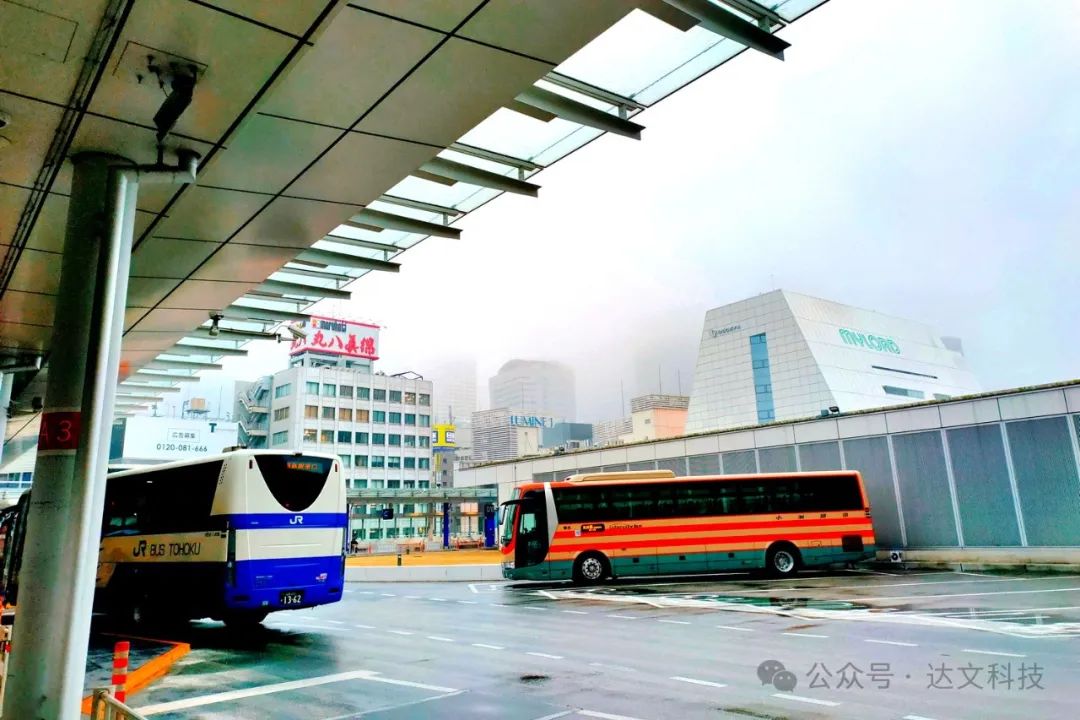
Ubiquitous Internet of Things (IoT) technology has permeated every corner of human life. For example, its application is perfectly demonstrated in the buses we take for daily commutes! It connects the in-vehicle computer network on buses with central control room servers to monitor and manage bus routes in real-time. At the same time, it can share data with digital signboards at various bus stops, providing waiting passengers with real-time bus arrival times and announcements. These systematic applications not only significantly improve bus operational efficiency but also enhance passenger safety and comfort.
Customer Background:
A city in Japan, known for its rich historical sites and architecture, attracts a large number of domestic and international tourists. To facilitate travel for both tourists and residents, providing reliable transportation service quality has become a priority for urban transit. To this end, the city's bus company launched multiple routes and installed traffic information kiosks at bus stops, allowing passengers to check real-time bus arrival times and thus reduce waiting times.
Accurate Bus Arrival Information Sharing is Key to Enhancing Passenger Experience
To quickly complete the bus in-vehicle computer upgrade project, the bus company urgently needed a rugged and durable in-vehicle computer capable of operating in harsh environments. The operating system needed to support Android and also facilitate backend development for software developers to perform updates and maintenance.
Providing Reliable Technical Support for Bus Arrival Prediction Systems
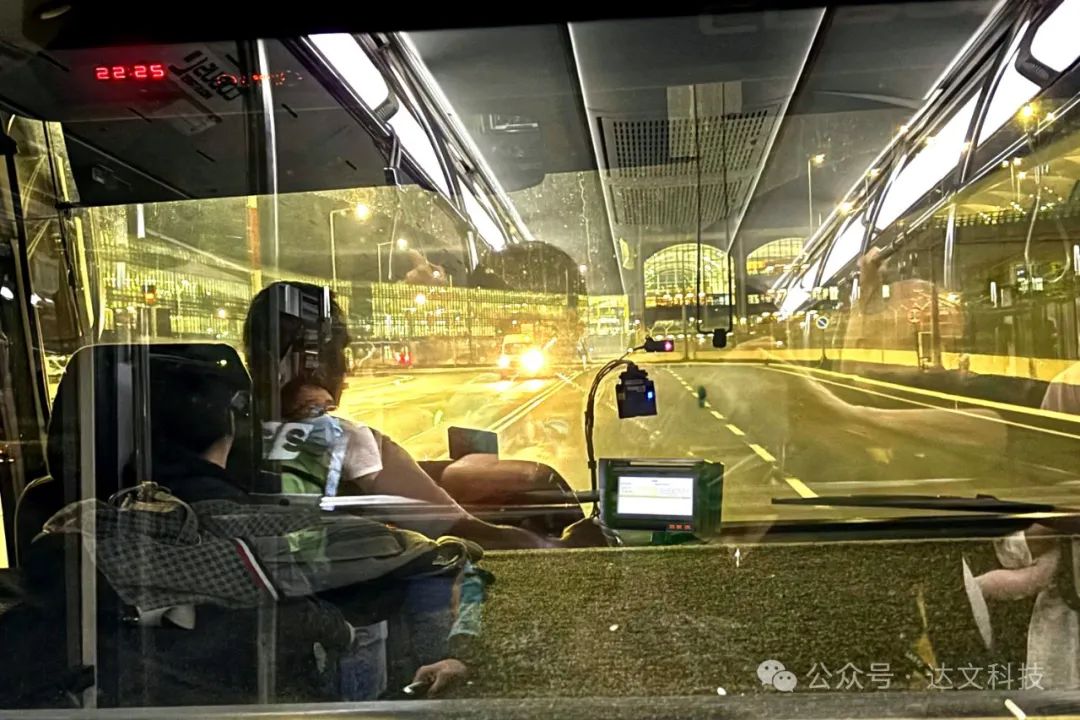
After multiple rounds of market comparison and prototype testing, the bus company ultimately selected an in-vehicle computer product. It features an 8-inch touchscreen display, is powered by a Rockchip RK3568 high-performance processor, and is compatible with the Android 11 operating system, making it a product specifically designed for fleet management applications.
The in-vehicle computer seamlessly integrates Wi-Fi 5, 4G/5G, and GPS functional modules. Utilizing GPS positioning, bus locations are transmitted to the bus control center in the most accurate and fastest way. The 4G/5G network serves as the communication link between the control center and bus drivers. After the control center receives accurate bus location information, it is processed by the bus arrival prediction system and then pushed to digital signboards at bus stops, allowing passengers to know real-time bus arrival times.
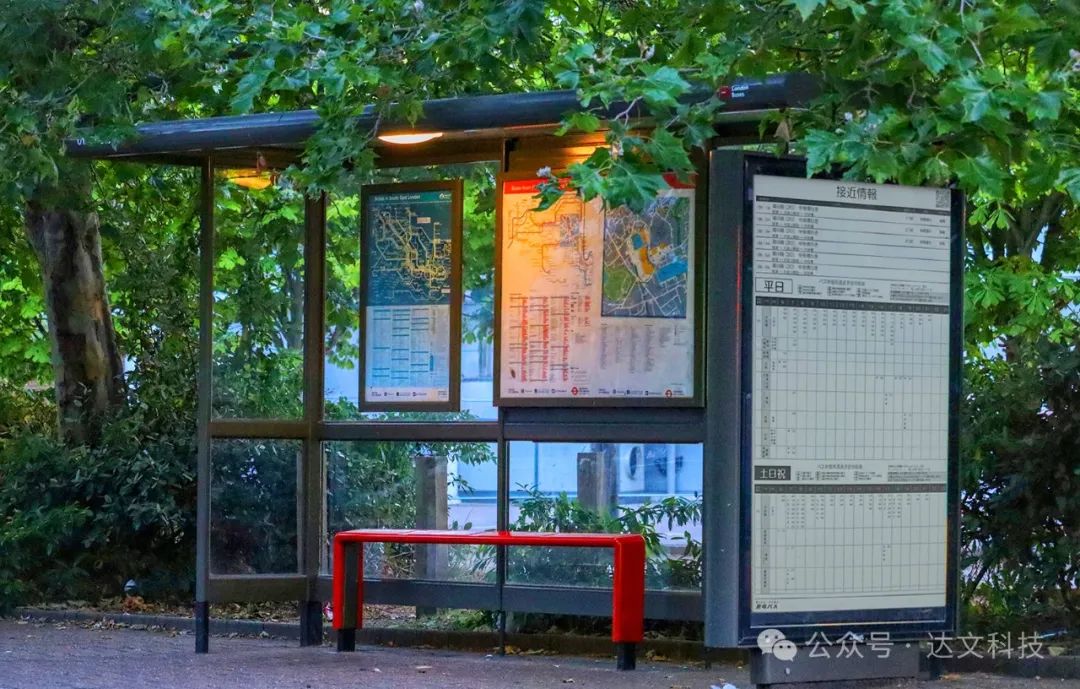
Digital signboards at bus stop kiosks display real-time information such as bus route numbers, remaining stops, estimated arrival times, route maps, and advertisements. At bus terminals, information is presented on 4K resolution displays within electronic kiosks, while at intermediate stops, electronic paper signboards provide information for extended periods. The in-vehicle computers installed on buses assist the bus arrival prediction system in providing various convenient functions. The control center can monitor the precise location of each bus in real-time, and passengers can also access bus arrival time information via digital signboards or smartphone applications.
Advantages
With its compact and integrated design, it provides a stable and reliable solution for Japanese customers. The highly responsive touchscreen allows drivers to enjoy user-friendly and efficient operation. A wide voltage power input of 8-36 V DC ensures compatibility with various vehicle electrical systems. Ignition control and rugged features, including MIL-STD-810G compliant vibration and shock resistance, enabled the bus company's vehicle upgrade project to be rapidly deployed. Subsequently, the bus company plans to extend this solution to more bus routes.