Nvidia Jetson/Orin + FPGA + AI Agricultural Transport Robot Solution
Project Background
As one of Asia's developed countries, South Korea has recently faced issues such as an aging population and high labor costs, posing severe challenges to its agricultural production and rural economic development. In response to this challenge, South Korea has begun actively exploring the use of robotic technology to replace manual labor, to improve agricultural production efficiency, ensure food safety, and promote the sustainable development of its rural economy.
Solution
In collaboration with a certain agricultural robotics company in South Korea, an advanced transport robot solution has been developed.
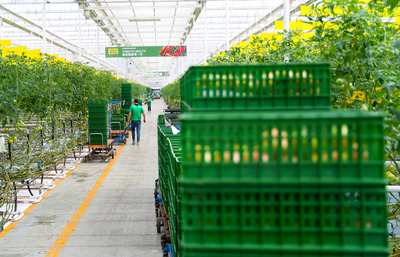
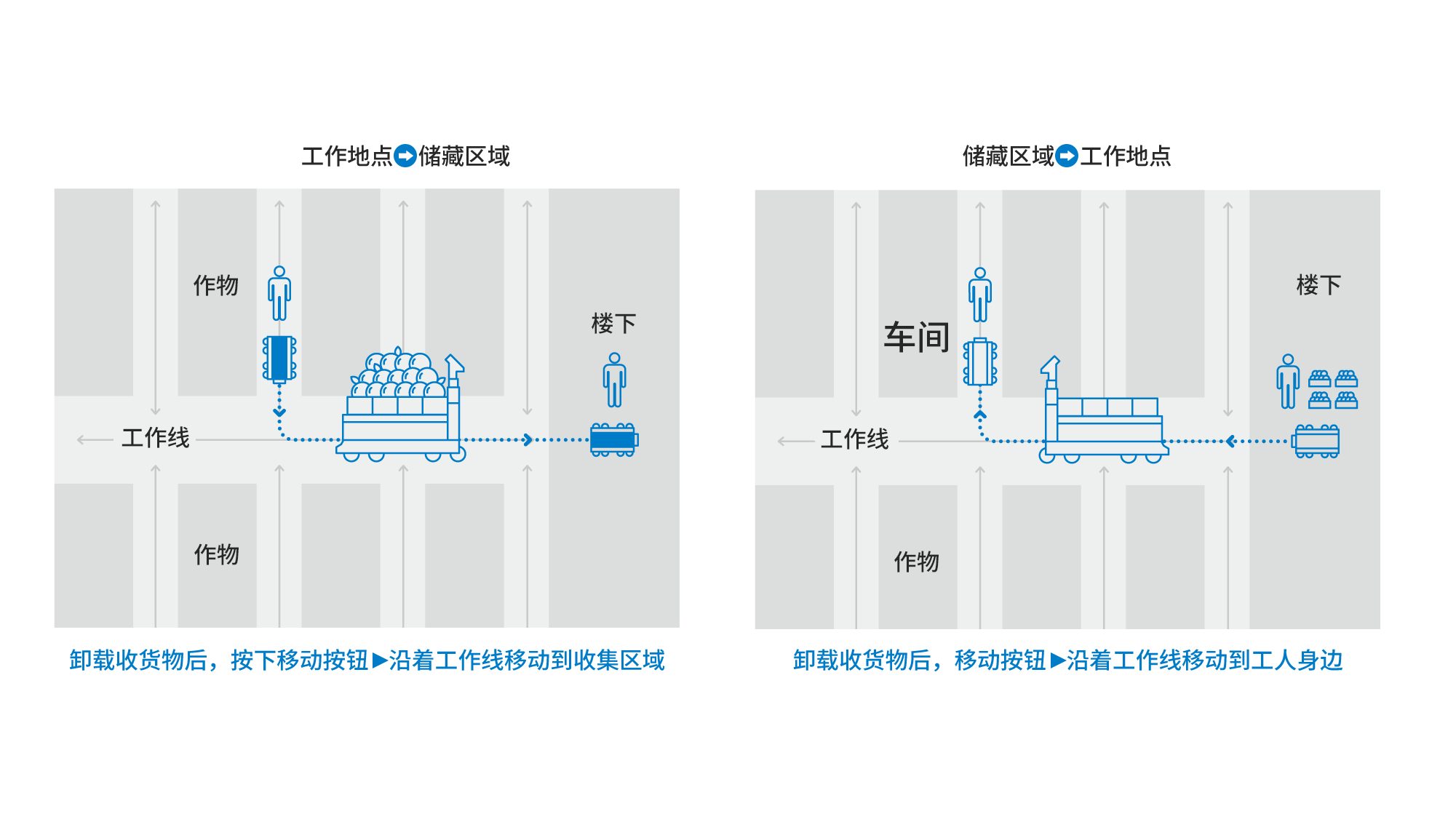
This solution utilizes "optical sensors + cameras + ultrasonic sensors" to develop autonomous transport robots, which follow workers to collect agricultural products and automatically travel back and forth to transport them to collection points. Compared to traditional manual handling methods, this solution can significantly reduce labor costs and improve agricultural production efficiency.
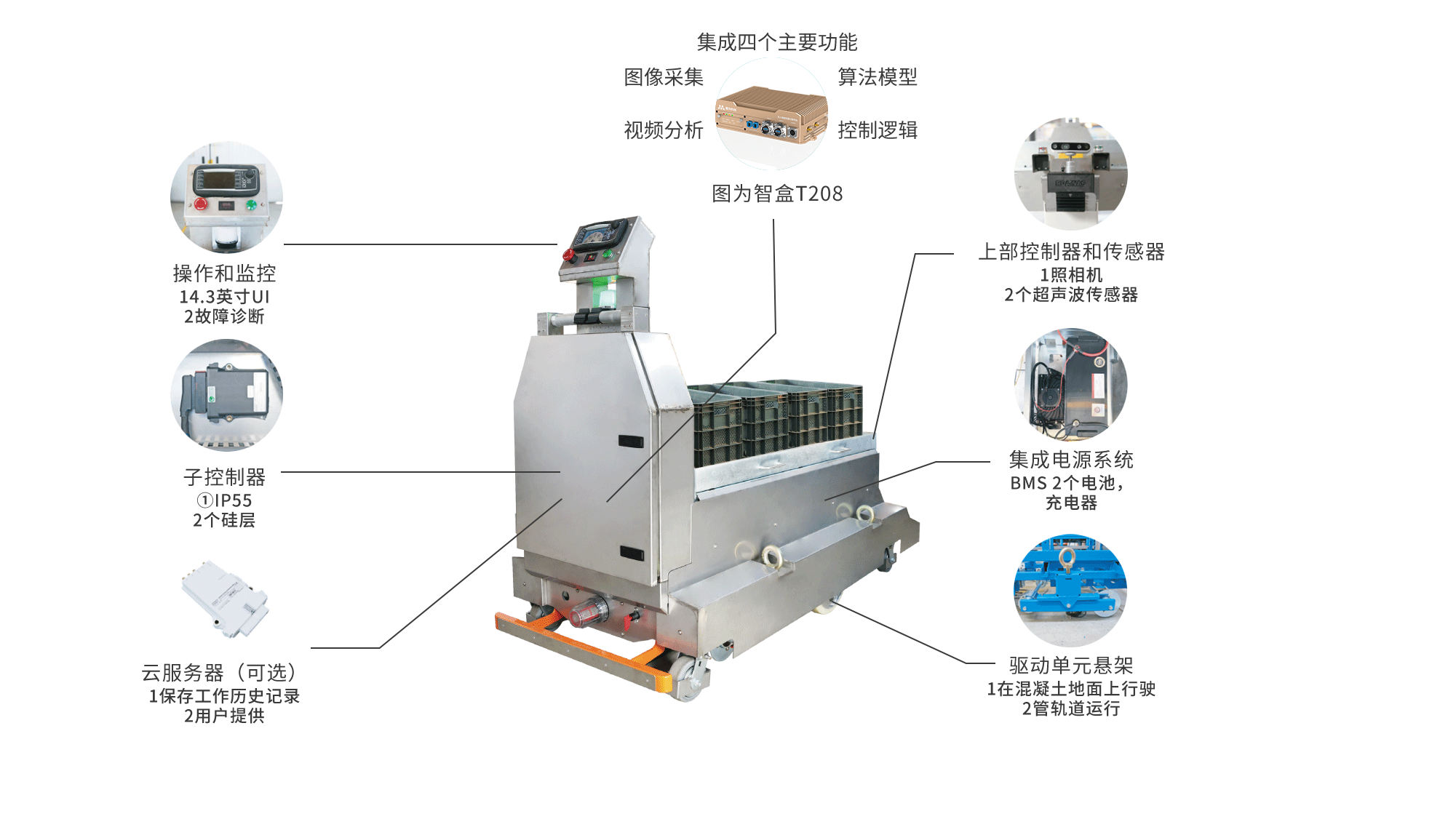
Optical sensors are key components for robots to achieve autonomous navigation and obstacle avoidance. By emitting and receiving light, optical sensors can perceive the surrounding environment in real-time, providing the robot with accurate positional and obstacle information. This enables the robot to autonomously plan its path and avoid collisions with obstacles in complex and varied agricultural environments.
Cameras are crucial components of the robot's vision system. Through cameras, the robot can capture image information of crops, and combined with image recognition technology, achieve rapid identification and localization of crops. Furthermore, cameras can also be used to monitor the robot's operating status, ensuring it maintains good performance throughout its work.
Ultrasonic sensors are used to measure the distance between the robot and obstacles. When the robot approaches an obstacle, the ultrasonic sensor emits an alarm signal, prompting the robot to slow down or avoid it. This helps ensure the robot's safety during operation.
Solution Advantages
1. Autonomous Operation: By utilizing advanced optical sensors, cameras, and ultrasonic sensors, the robot can perceive its surroundings in real-time and autonomously plan its travel path.
2. Precise Positioning: By combining data from optical sensors and cameras, the robot can accurately identify and locate crops and collection points, with an accuracy rate of over 99%.
3. Efficient Transport: When collecting crops, the robot can automatically plan the optimal path, ensuring that crops are transported to the collection point in the shortest possible time, achieving efficient and rapid transportation.
4. High Load Capacity: The robot can operate continuously for over 8 hours; with a maximum load capacity of 300kg, it significantly saves labor costs and improves agricultural production efficiency.
Customer Benefits
1. Increased Productivity: By collaborating with robots, optimizing crop harvesting processes, achieving timely harvesting and rapid transport of crops, work efficiency is improved, helping farmers increase yields.
2. Addresses Labor Shortages: Reduces heavy manual labor for crop transport and lowers labor costs.
3. Reduces Worker Fatigue: In farm production environments, transport robots can shorten worker travel time, alleviate worker fatigue, and further safeguard workers' physical health and safety.