【Cognex China Case Study】Nvidia/Sophon + Smart AI Camera: AI-Driven | The Future Path to Reducing EV Costs
Driven by environmental awareness, government incentives, and the development of new energy technologies, consumer demand for electric vehicles (EVs) is continuously growing, and EVs have become a crucial component of future transportation. However, the road to large-scale replacement of internal combustion engine (ICE) vehicles by EVs is still long. The biggest obstacle is the relatively high selling price of electric vehicles. Although the operating and maintenance costs of EVs are lower than those of ICE vehicles, the high purchase price still deters many potential buyers. According to Kelley Blue Book estimates, the average transaction price (ATP) for new EVs reached $61,448 at the end of last year, approximately 34% higher than comparable ICE vehicles.
The two most significant cost centers for electric vehicles are batteries and labor, with lithium-ion battery packs accounting for approximately 50% of an EV's price. Therefore, EV manufacturers and battery suppliers seeking to gain market share must find innovative ways to reduce EV production costs, and the most prominent and feasible method is to automate the complex and time-consuming EV battery production process.
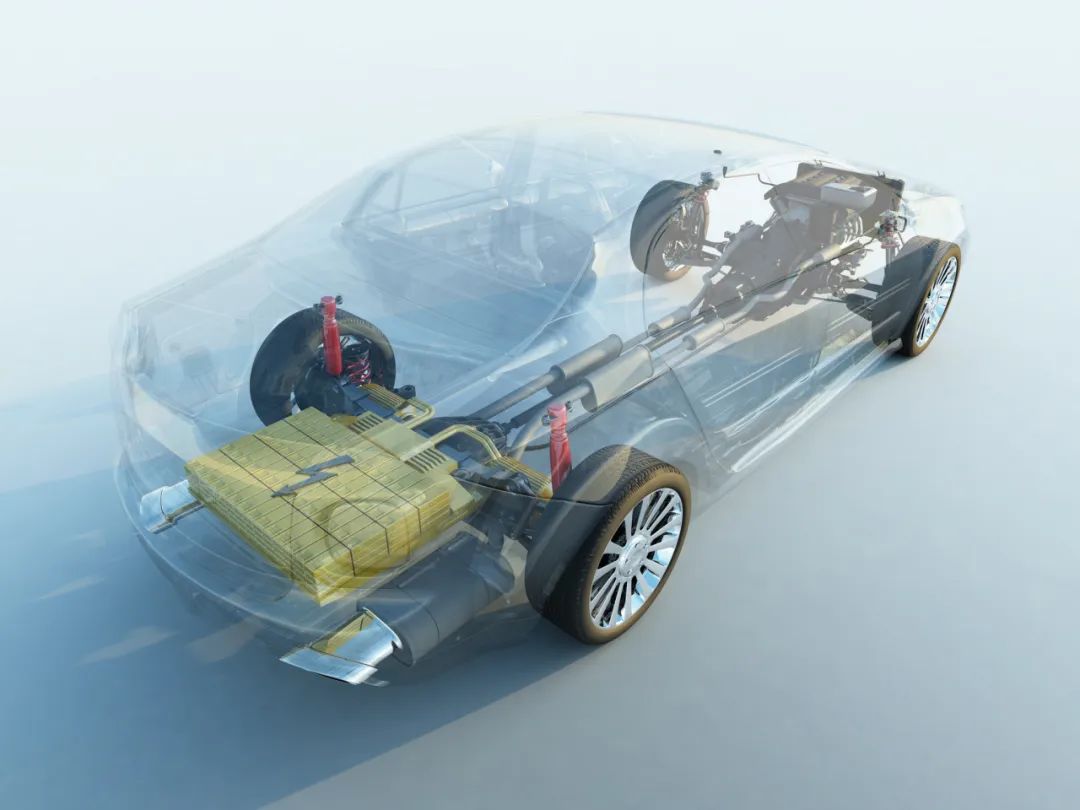
Cognex AI and machine vision technology can provide crucial assistance in solving this problem. Machine vision utilizes cameras and sensors to capture and analyze visual data, while AI interprets this data to solve complex and challenging inspection tasks.
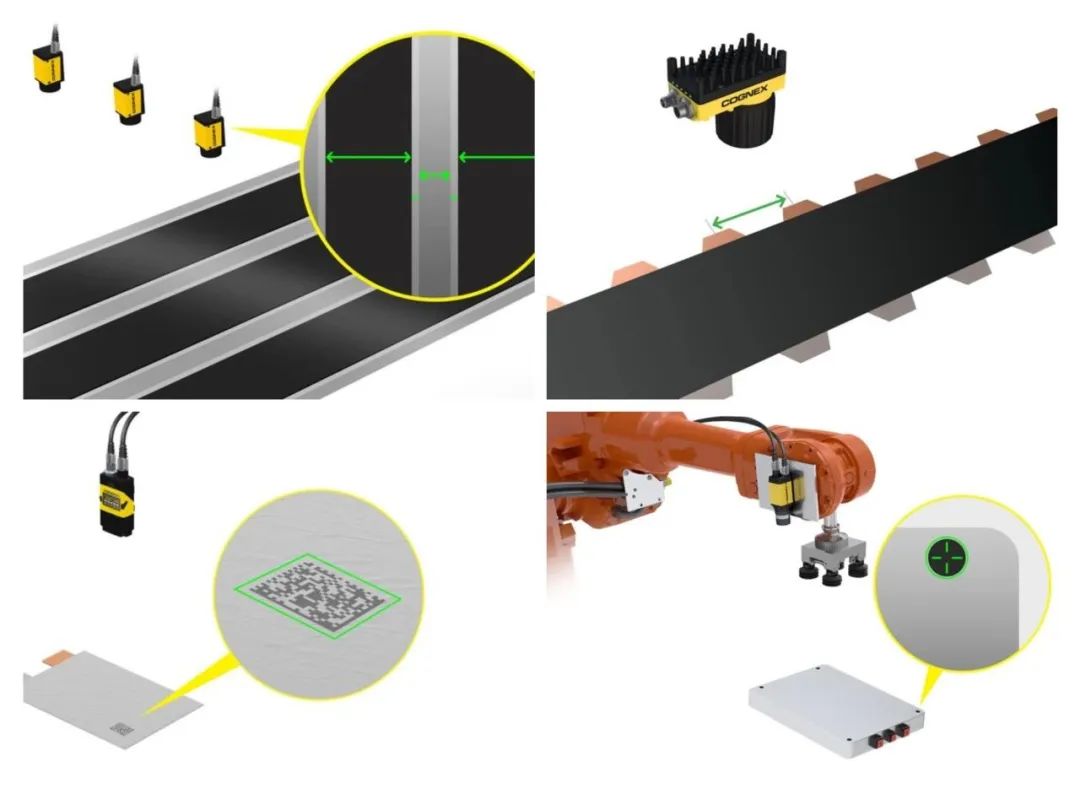
For example, in EV battery manufacturing, identifying defects is critical. Many traditional processes are both time-consuming and resource-intensive, with limited reliability. They also tend to misclassify cosmetic flaws as functional defects, leading to high costs and the waste of valuable metals and elements. Cognex utilizes advanced algorithms and image analysis software to distinguish true defects from surface blemishes during the EV battery production process, minimizing waste and rework. Through deep learning technology, users can program vision systems to detect defects, determine if they are within acceptable limits, and flag unacceptable defects, while also accounting for variations such as reflective surfaces.
Furthermore, Cognex AI and machine vision technology can not only reduce the number of inspections but also lower the scrap rate and more accurately identify subtle defects, thereby improving production efficiency and ensuring battery quality and performance:
1 Battery Welding Evaluation
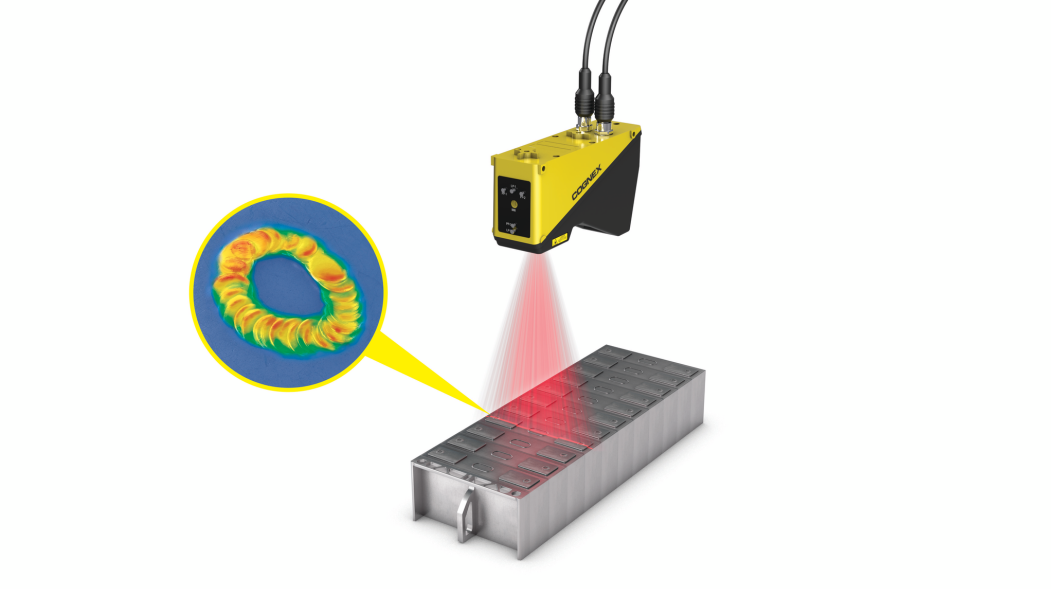
Inspecting EV battery welds is crucial for the structural integrity and performance of electric vehicles. Traditional vision systems are often unable to distinguish between cosmetic and functional defects. Cognex's deep learning-based defect detection and classification tools can learn various welding variations and accurately classify and differentiate between functional and cosmetic defects. Utilizing Cognex AI and machine vision, inspection areas can be precisely located, while 3D sensors are used to inspect weld edges and corners, ensuring defect-free welds.
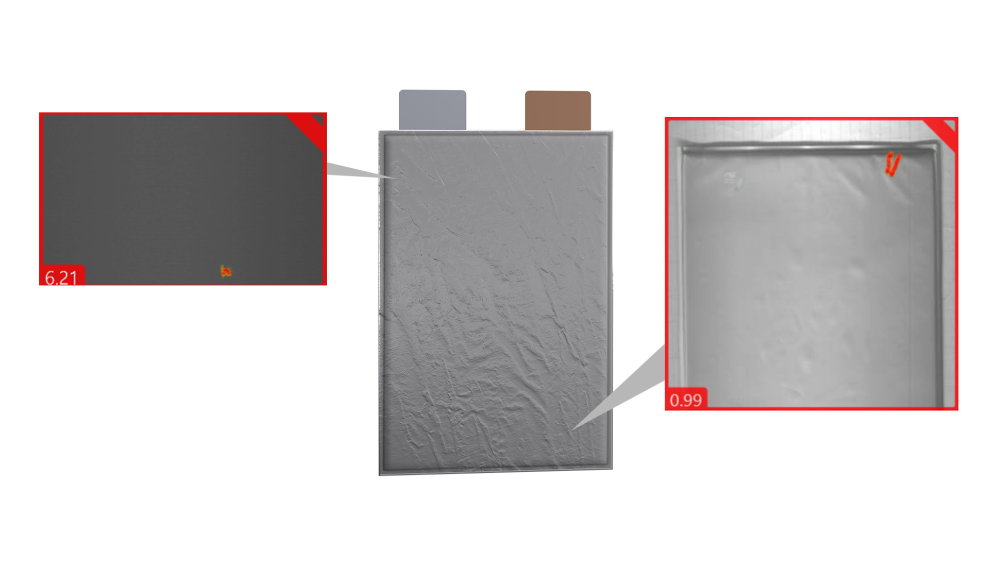
2 Battery Cell, Pouch, and Can Surface Inspection
Thorough surface inspection is also crucial for eliminating defects, contaminants, and anomalies that could affect battery performance. Machine vision systems can detect defects such as scratches, dents, or foreign objects, thereby improving the overall quality of EV batteries.
3 Electrode Coating Inspection
The uniformity and quality of electrode coatings are also critical to the performance of EV batteries. Precise machine vision solutions can inspect electrode coatings, identify inconsistencies or defects, and ensure uniform coating thickness and stable quality, thereby improving battery performance and lifespan. Cognex industrial line scan cameras are ideal for "textured" surface inspection, ensuring uniform copper and aluminum coatings on thin-film substrates.

Through Cognex machine vision and AI technology, EV manufacturers can effectively reduce production costs and improve production efficiency, thereby promoting the widespread adoption of electric vehicles. More affordable EVs will also encourage more people to choose environmentally friendly transportation, making a positive contribution to reducing carbon emissions and protecting the planet.
If you would like to learn more about detailed solutions for implementing machine vision and AI in EV manufacturing, click the original text to download Cognex's latest "Electric Vehicle Solutions Guide" and unlock the future of intelligent EV manufacturing.