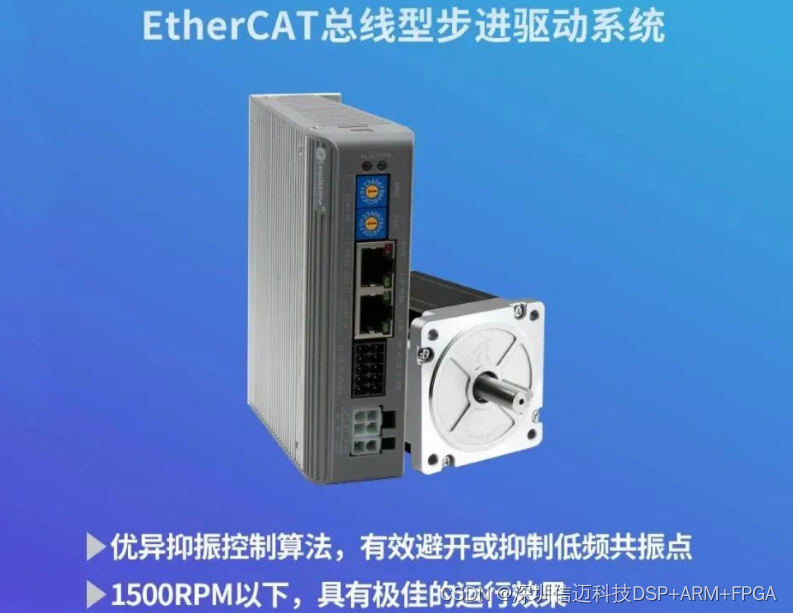
【ARM+Codesys Case Study】T3/RK3568/Raspberry Pi + Codesys Lithium Battery Test Equipment Control Solution
Lithium batteries were born in the 1960s and commercialized by Sony Corporation in Japan in the 1990s. With numerous advantages such as fast charging and discharging, long cycle life, and no memory effect, lithium-ion batteries have become the primary choice for large-scale applications in today's digital products and electric vehicles. Compared to nickel-metal hydride batteries and lead-acid batteries, lithium batteries can store more electrical energy. Many familiar products today, such as new energy vehicles, personal computers, and smartphones, are major applications of lithium batteries.
Lithium batteries also have stricter requirements for quality and safety. Therefore, as a critical checkpoint for battery safety, the importance of battery testing equipment is becoming increasingly prominent, with OCV (Open Circuit Voltage) testing, located at the backend of the lithium battery production line, being a key component.
OCV (Open Circuit Voltage) test equipment is located in the formation and packaging section of lithium battery production and can be used for testing cylindrical, pouch, and prismatic power batteries. Its purpose is to detect the battery's SOH (State of Health). By performing OCV testing on finished batteries, which involves measuring and analyzing data for open circuit voltage, internal resistance, and insulation voltage between the negative electrode and the casing, the battery's state is determined against performance indicators. This allows for battery grading, ensuring the overall performance of the batteries.
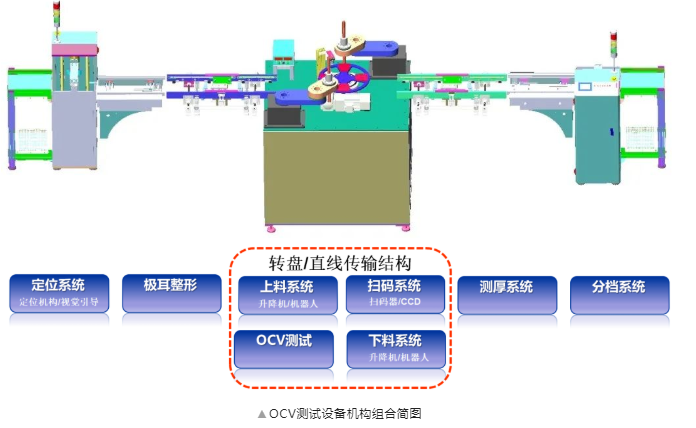
Future potential of lithium-ion battery OCV equipment: As a battery health status detection unit, if it can be further standardized as a modular standard machine that can be embedded into battery production lines, it will help reduce development difficulty for equipment manufacturers and shorten the development cycle for single machines. Modular design, when horizontally extended to the entire production line, will make the setup, relocation, and maintenance of end-users' production lines more convenient, making it easier to achieve the optimal total value target for lithium battery production lines.
Leadshine, a close partner of CODESYS, has delved into the lithium battery industry to understand the motion control requirements for OCV equipment. They have launched an EtherCAT bus motion control solution featuring "control + vision + servo + stepper," which can achieve import substitution for core components, optimize system wiring, support customized process algorithms, enhance equipment load capacity, and improve testing stability.
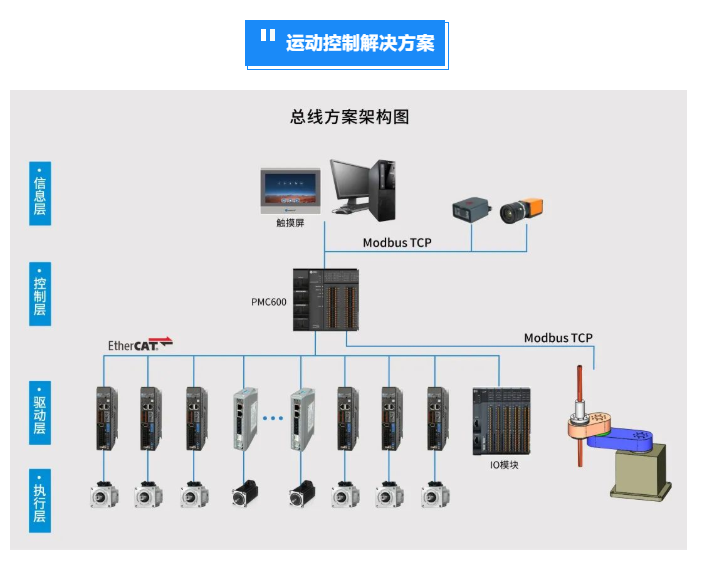
Solution Advantages
Cost Savings, Over 20% Efficiency Improvement
⚫ EtherCAT bus PLC integrated solution, convenient wiring, easier electrical assembly, reducing electrical assembly and debugging time by over 20%.
⚫ Supports remote communication modules based on EtherCAT bus, enabling remote device inspection, reducing on-site maintenance, and lowering overall maintenance costs.
Powerful Features, Strong Competitiveness
⚫ The number of PMC600 mid-sized EtherCAT bus PLC slave stations covers equipment requirements, achieving a "one machine does it all" solution. Rich PLC communication interfaces allow operation in different local area networks, facilitating data interaction with MES servers.
⚫ A complete hardware + software solution (PLC + vision + servo + stepper) can help equipment enhance its competitive advantage.
Rich Application Experience, 30% Shorter Programming Time
⚫ Provides professional guidance for modular programming (turntable, tray assembly, robot, HMI communication modularization), shortening programming development time by 30%.
⚫ Supports customized process algorithms.