[ARM+Codesys Case Study] T3/RK3568/Raspberry Pi + Codesys Lithium Battery Stacking Machine Solution: Achieving Efficient Production with CODESYS
Lithium Battery Stacking Machine Solution
Riding the Waves, Promoting the Development of the New Energy Industry
Lithium batteries are rechargeable batteries that achieve charging and discharging by the movement of lithium ions between the positive and negative electrodes. They offer advantages such as high energy density, high voltage, long cycle life, and no memory effect. The lithium battery industry is a rapidly developing sector supported by national policies. It has grown rapidly in recent years and is expected to continue growing in the future, with electric vehicles representing one of the most significant high-growth areas for lithium batteries.
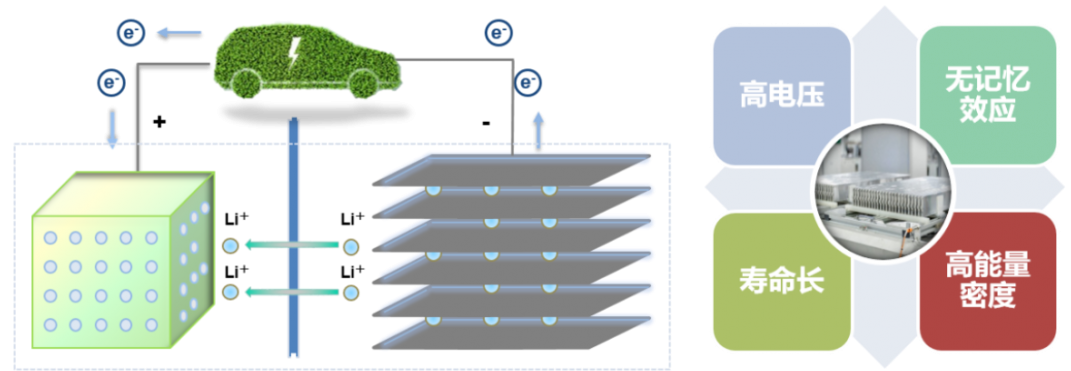
Lithium Batteries Have Three Main Categories of Industry Applications
01
Industrial Energy Storage and Others
UPS for communication, new energy storage power supplies, etc.
02
Consumer Electronics
Mobile phones, computers, tablet computers, etc.
03
Electric Vehicles
Electric bicycles, electric vehicles, etc.
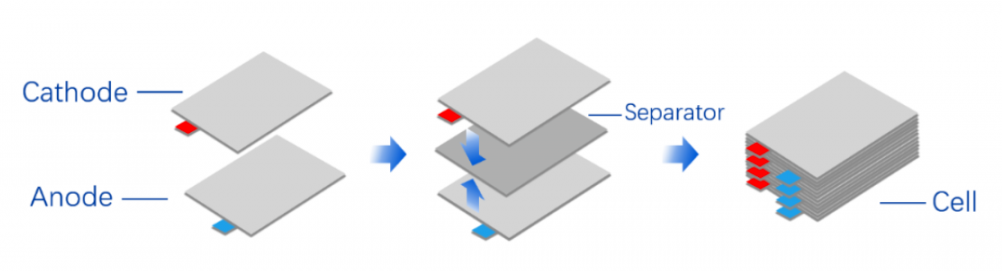
Stacking is a crucial process in lithium battery manufacturing and is one of the midstream equipment processes. It is primarily used for cell production. Current mainstream stacking processes include Z-folding stacking, winding stacking, hot lamination, general stacking, and pouch-type stacking.
A Z-folding stacking machine alternately stacks pre-prepared positive/negative electrode sheets separated by a separator (in the sequence of positive electrode - separator - negative electrode - separator), thereby forming a battery cell. Because the separator is folded in a "Z" shape, it is called a Z-folding stacking machine, and it is a core critical equipment in the battery cell manufacturing process.
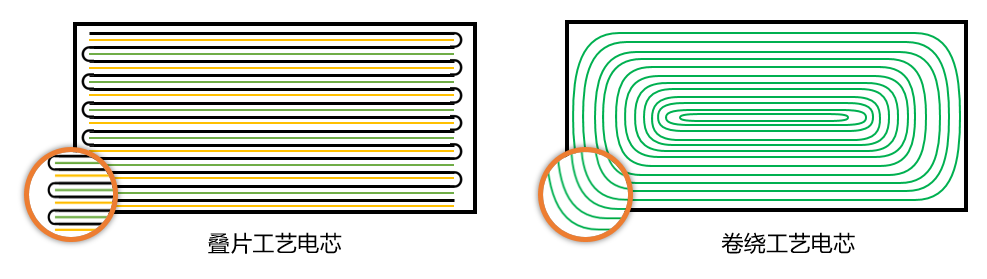
For consumer batteries, the focus is more on improving efficiency rather than just capacity and performance, hence there is also a demand for winding processes. However, for power lithium batteries, the stacking process can better leverage the advantages of large-sized cells. At the same time, stacking can better control the cell yield, making it the best choice for the future.
01 Process Introduction
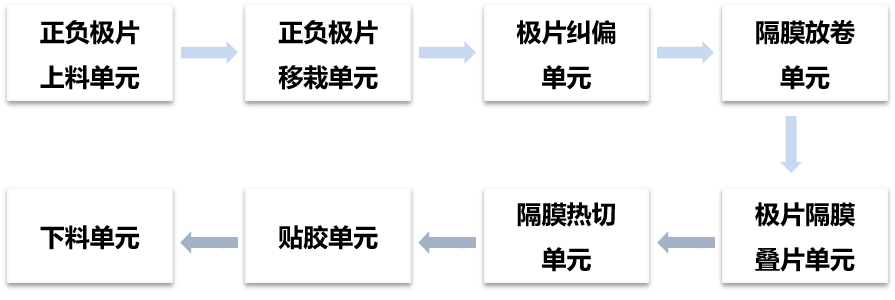
A Z-folding stacking machine typically consists of eight mechanisms: the positive and negative electrode feeding unit automatically feeds the cut electrode sheets; the transfer unit moves the electrode sheets using vacuum suction cups and linear motors; the alignment correction unit corrects the position of the electrode sheets to ensure proper alignment during stacking; the separator unwinding needs to ensure stable separator tension; the stacking unit stacks the positive electrode sheet, separator, and negative electrode sheet to form a small cell unit; and the tape application unit applies custom tape to the cell edges. Z-folding stacking machines generally have more than 30 axes, while integrated cutting and stacking machines usually have more than 100 axes.
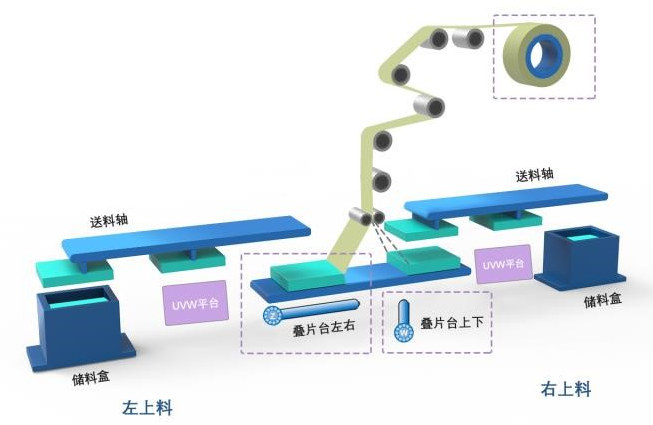
Stacking Process Flow
Each side of the stacking machine has two symmetrical pick-up grippers and feeding grippers. The first set of pick-up grippers picks up positive and negative electrode sheets from the material boxes and places them onto the positioning platforms on both sides for alignment. The second set of robotic arms picks up the positioned electrode sheets and alternately places them into stacking station 1 and stacking station 2.
The separator is actively unwound, and the stacking table drives the separator in a reciprocating motion to form a Z-fold winding.
After the stacking table completes stacking, the separator is cut.
The central station picks up the material. The clamping mechanism picks up the cell based on its waiting time. It is then fed forward along the guide rail to the taping station for tape application, with custom tape positions and quantities.
After taping is completed, the cell is discharged.
02 Solution
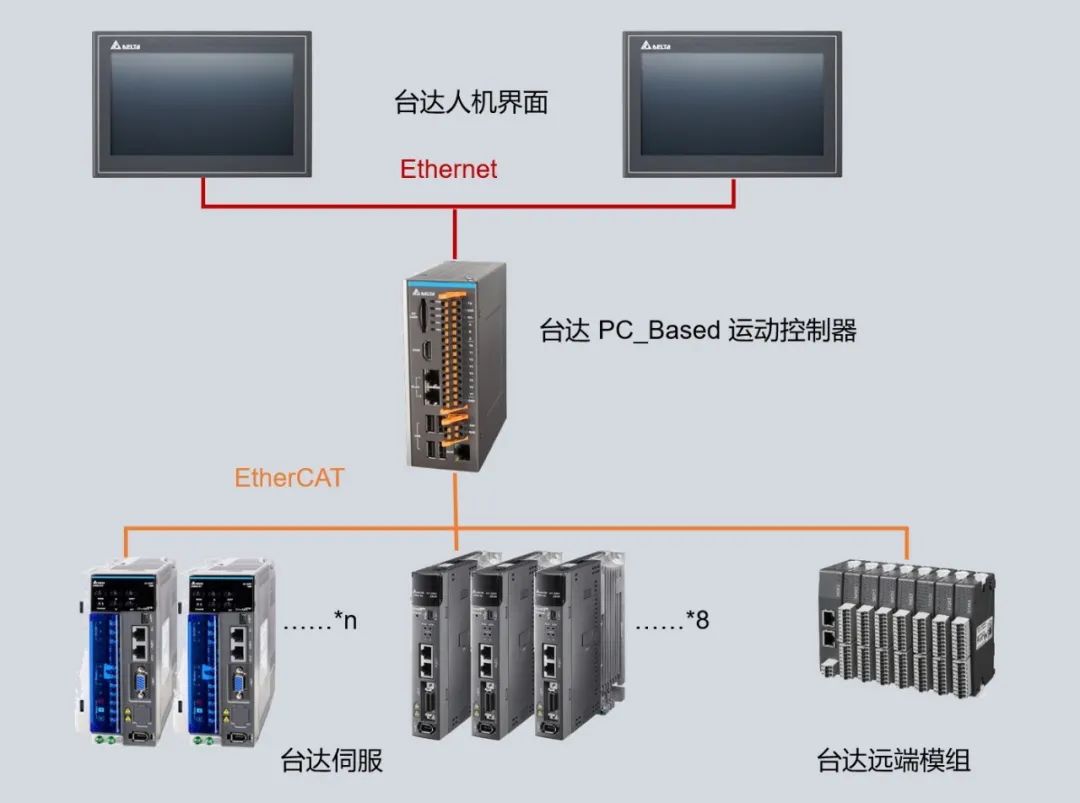
We provide a complete machine solution for lithium battery stacking equipment, ensuring high stability while also facilitating future maintenance.
03 Solution Features and Advantages
Easier Maintenance
Complete machine solution based on high-performance PC-Based motion controllers: Easier system maintenance and more convenient operation.
CODESYS software development platform: Higher acceptance and more powerful features.
More Flexible Functions
Anti-double sheet function: Double sheet alarm prompts through methods like sheet shaking and air blowing.
Warped edge and tab detection: If electrode sheets have warped edges or damage, automatic rejection can be performed.
Separator Tension: Ensures stable separator tension during Z-folding.
Separator Alignment Correction: Uses a separator alignment correction algorithm to ensure separator alignment.
Stacking Table Alignment Correction: Ensures alignment of the first layer of separator.
Cell Pick-up: One taping station corresponds to multiple stacking tables; the clamping mechanism picks up cells based on their waiting time.
Taping: User-defined tape quantity and position.
More Efficient Production
Single sheet efficiency of 0.6s (single station, related to electrode sheet size).
Separator alignment accuracy ±0.1mm.
Adjacent electrode sheet alignment accuracy ±0.2mm.
Electrode sheet and separator adjacent alignment accuracy ±0.2mm.