What are the differences between AHD, CVBS, and HDMI interfaces for an RV1126-based AI network camera? Supports 8-channel AHD cameras and real-time AI analysis
What are the differences between AHD, CVBS, and HDMI interfaces for network cameras? What are their application scenarios?
AHD, CVBS, and HDMI are different video transmission interfaces, each suitable for different application scenarios. Below are their main application scenarios:
-
AHD (Analog High Definition): AHD is an analog high-definition video transmission technology that provides high-quality image and video output. It is primarily used in surveillance systems, such as security cameras and video surveillance equipment. AHD can transmit high-definition video signals over coaxial cable, supporting long-distance transmission and real-time image display.
-
CVBS (Composite Video Baseband Signal): CVBS is a composite video baseband signal, also known as standard-definition video. It is a traditional analog video interface, typically transmitted using RCA or BNC connectors. CVBS is widely used in older televisions, VCRs, DVD players, and some low-end surveillance systems.
-
HDMI (High-Definition Multimedia Interface): HDMI is a digital audio/video interface standard used for transmitting high-definition audio and video signals. It supports high-definition images and multi-channel audio transmission, offering superior picture and sound quality. HDMI interfaces are commonly found on HDTVs, projectors, game consoles, Blu-ray players, computer monitors, and other devices, and are widely used in home theater, entertainment systems, and computer displays.
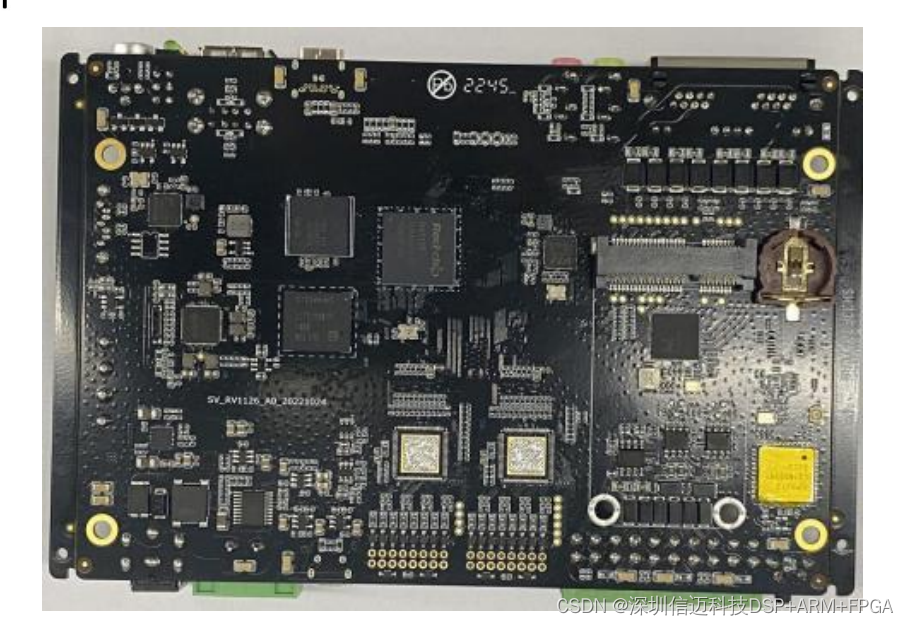
AHD is suitable for security surveillance, CVBS for traditional analog video equipment, and HDMI is a common interface for digital audio/video devices.
The relationships between these three standards or interfaces can be summarized as follows:
AHD is an analog high-definition video transmission technology that offers better image quality and detail, and is compatible with traditional analog camera systems.
CVBS is an analog standard-definition video transmission method with lower resolution and relatively poorer image quality.
HDMI is a digital high-definition multimedia interface standard, supporting high resolution, high frame rate, and multi-channel audio transmission.
Although both AHD and CVBS are analog transmission methods, AHD offers better image quality and high-definition resolution. HDMI, as a digital interface, is more advanced and comprehensive in terms of transmission quality and functionality. Each standard or interface has its own advantages and applicability in different application scenarios.