What Role Do IoT Gateways Play in Elevator On-Demand Maintenance Solutions? Elevator IoT Gateway
To reduce elevator failures, prevent accidents, and ensure personal and property safety, IoT-based elevator on-demand maintenance has been progressively implemented in many regions across the country. This approach enables predictive identification of elevator safety hazards, making problem-solving more scientific, targeted, and precise, thereby effectively enhancing elevator operational safety. So, as a crucial component of the elevator on-demand maintenance solution, what role do IoT gateways play in this scheme?
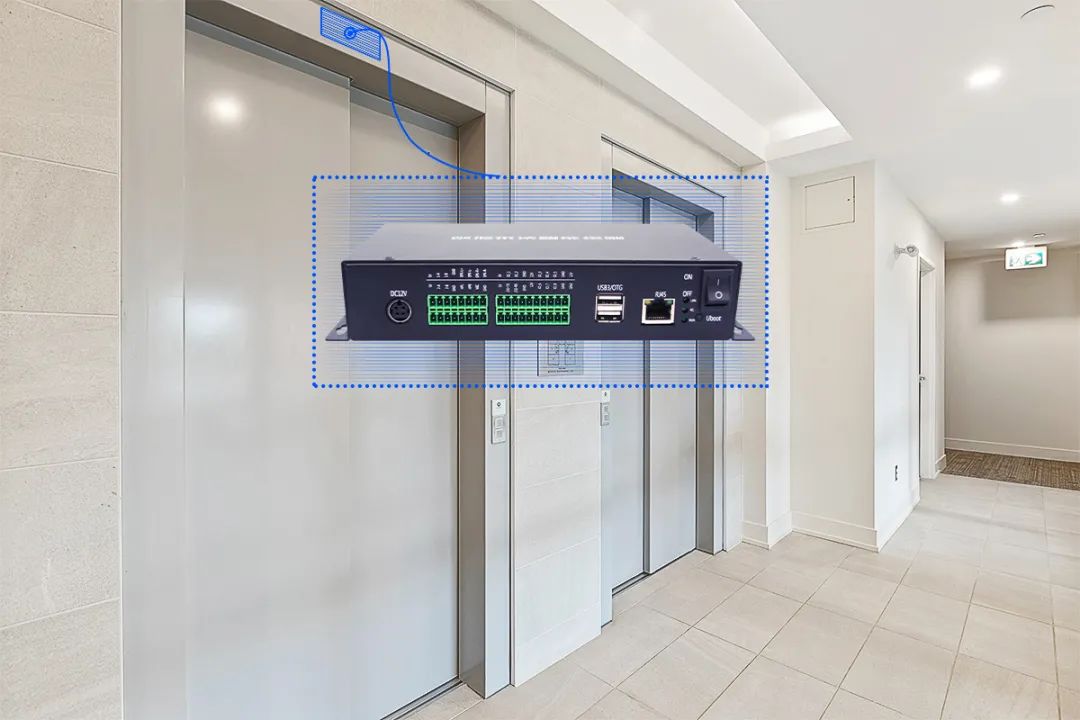
Elevator IoT gateways are primarily used for real-time monitoring and display of elevator operating status. By installing the IoT gateway on the elevator car door, and utilizing its built-in high-precision sensors such as door magnetic sensors, current sensors, and human presence sensors, it can real-time monitor and collect elevator operating status data.
Function Features
1.
Elevator up/down movement signals, stop signals, leveling signals, car door open/close signals, elevator's current floor, elevator speed, and elevator's single-trip travel distance;
2.
Real-time monitoring of elevator fault information (e.g., person entrapment, floor jamming, abnormal door operation, overtravel/undertravel);
3.
Storage of various elevator operating data, fault data, maintenance work information, etc.;
4.
Transmission of real-time elevator operating status data to the elevator real-time monitoring platform via 4G wireless network, with simultaneous reporting to the cloud platform.
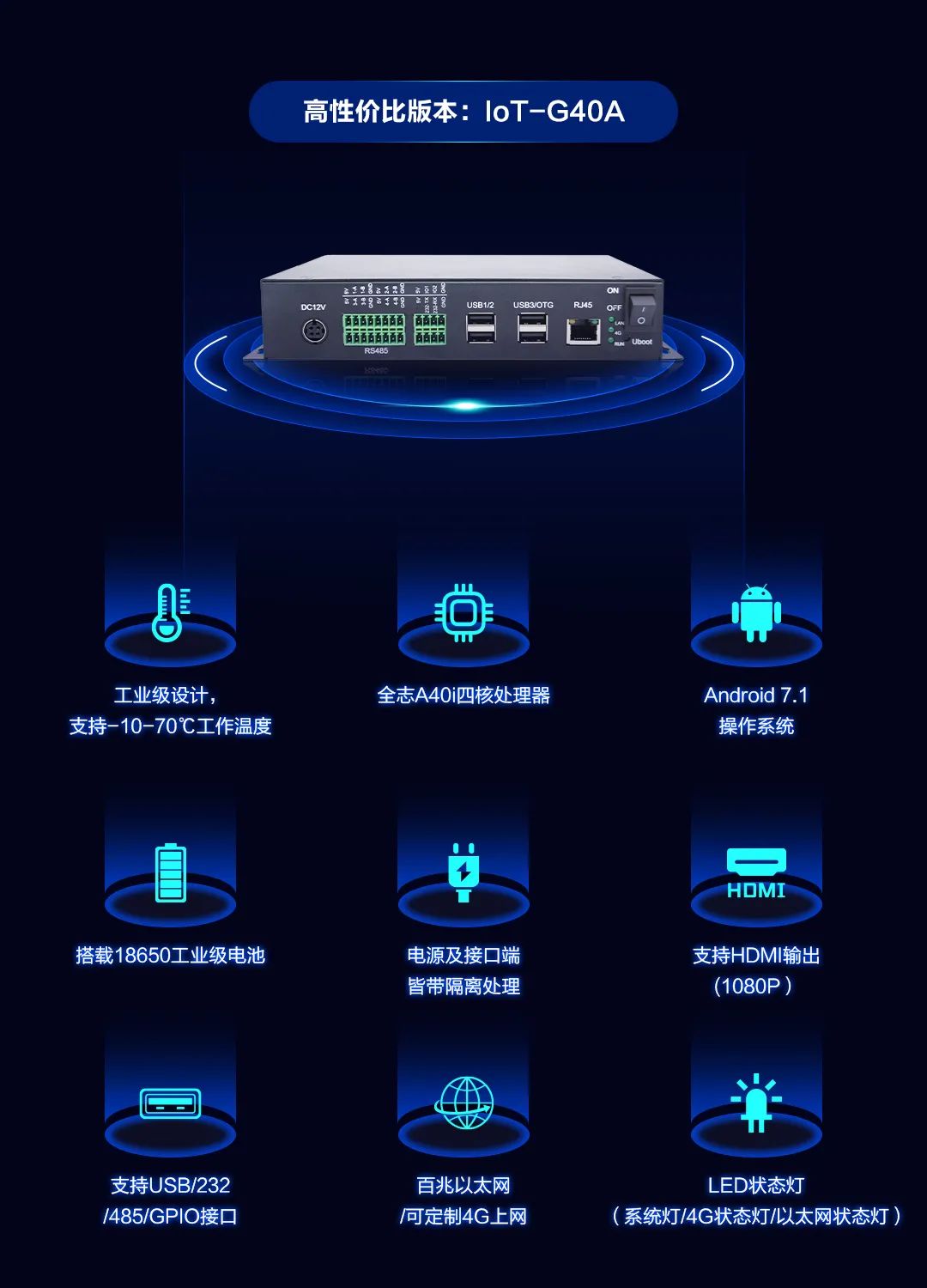
IoT Gateway IoT-G40A Technical Advantages
The Elevator IoT Gateway IoT-XM, as an industry-preferred choice, demonstrates significant technical advantages. This IoT gateway has passed numerous industry tests, meeting dozens of technical requirements including operating power supply, isolation measures, communication ports and transmission protocols, data transmission error, backup power supply, power fluctuation adaptability (AC nominal value ±7%, DC nominal value ±5%), power input protection (reliable grounding, overcurrent protection, leakage protection), monitoring terminal composition and overall quality, clock traceability, data reporting time (not exceeding 5S), device operating status monitoring (not exceeding 1s), storage and statistics (at least the latest 100 pieces of information), data encryption and management permissions, monitoring terminal component quality, electrical wiring, enclosure protection rating, insulation resistance (not less than 100MΩ under normal atmospheric conditions), dielectric strength, flame retardant performance, noise interference, environmental adaptability (high/low temperature, shock, vibration, drop, etc.), and electromagnetic compatibility (EMC).


Gateway Configuration