9U_VPX Signal Processor, Heterogeneous Computing Platform for Sensor Big Data
9U_VPX Signal Processor
1 Introduction
1.1 Product Overview
The 9U_VPX Signal Processor is a high-speed data recording, storage, and processing system designed for front-end RF systems. Developed to address the multiple challenges faced by military electronic information systems—such as diverse target types, increasingly complex battlefield environments, and diversified mission requirements—this system serves as a high-performance data recording and storage solution. The signal processor handles the recording, storage, playback, and management of sensor big data.
The signal processor consists of multi-port fiber modules, high-speed real-time information processing modules, integrated management and configuration modules, and large-capacity data storage modules. It provides users with the following capabilities:
- Real-time forwarding and processing of high-speed data;
- High-speed data recording and playback services (user data formats are customizable);
- Centralized data management and retrieval services;
- Support for network-based cascading and scalability;
The signal processor delivers a comprehensive solution for front-end sensor big data processing in equipment systems. It supports sensor data acquisition, data conversion, video capture, real-time processing, and record-and-playback functions. As a sensor big data server, it provides cloud-based big data system solutions for integrated information processing systems.
1.2 Key Features
- Superior heterogeneous computing performance: Designed for real-time processing, recording, storage, and playback of big data from various sensor types. Supports up to 8-node heterogeneous computing with CPU/FPGA/GPU/DSP, and high-speed interconnects via RapidIO or 40GbE interfaces;
- Robust storage system: Employs RAID disk arrays, enabling rapid data recovery and continuous service in case of single-disk failure, thereby enhancing data storage reliability. The sensor big data heterogeneous computing platform reserves multiple expansion slots for large-capacity storage modules, facilitating future capacity upgrades;
- Exceptional throughput: Standard configuration includes 16 fiber-optic ports, achieving a bidirectional bandwidth of up to 40 Gbps;
- Simplified management: The sensor big data heterogeneous computing platform supports BMC-based health management, enabling real-time system health monitoring. It also features dynamic reconfiguration of FPGA and software, enabling convenient system management and reduced operational costs;
- Open architecture design: Decoupled design of CPU and heterogeneous resources, enhancing application software availability and portability;
- Efficient thermal design: Capable of operating reliably in harsh environments;
1.3 Product Images
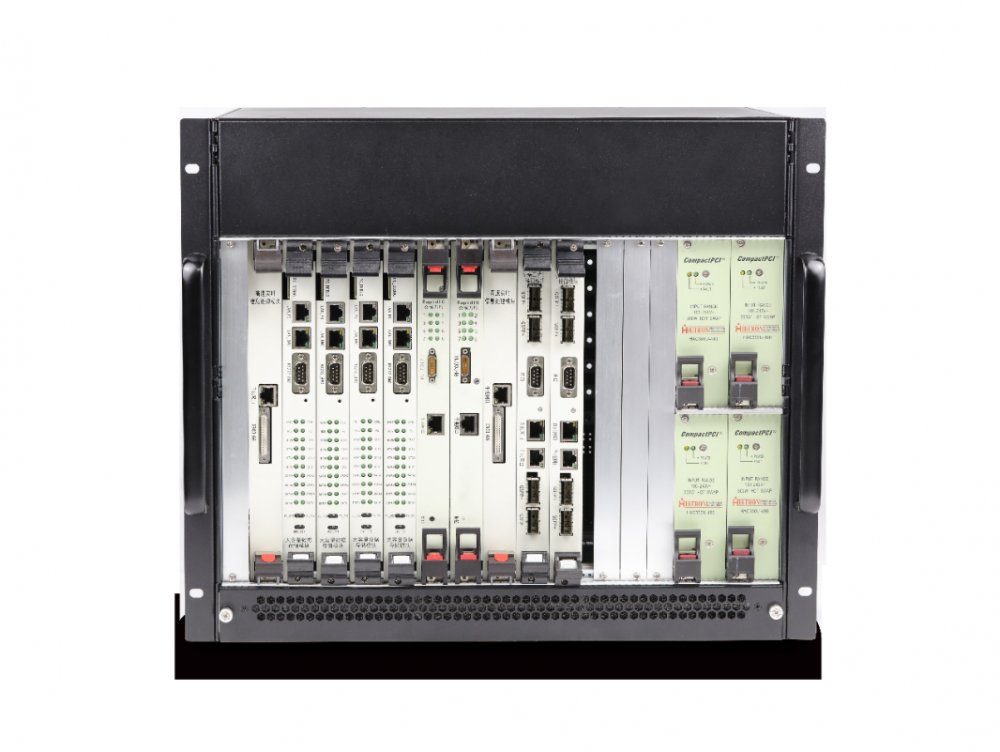
Figure 1: Physical view of the sensor big data heterogeneous computing platform
2 Main Functions and Performance
The functions and performance specifications of the sensor big data heterogeneous computing platform are as follows:
- Internal bus architecture: VPX bus;
- Ruggedized 19-inch rack-mount 9U VPX chassis with 10 slots;
- Theoretical system-wide data processing capability: 2.4 TFlops;
- Signal interfaces: Standard 16-channel fiber-optic ports, 2 Gbps per channel, with adaptive input rate and configurable output rate, achieving a bidirectional bandwidth of 20 Gbps;
- Total storage capacity: Each storage module supports a minimum of 512 GB per drive, with total system capacity of no less than 64 TB, expandable;
- Three storage speed modes:
- Data recording speed: ≥20 Gbps;
- Data playback speed: ≥20 Gbps;
- Simultaneous data recording and playback speed: ≥20 Gbps;
- Supports multiple 10/100/1000M Ethernet interfaces;
- All modules support debug serial port output;
- Supports BMC-based health management;
- Supports dynamic reconfiguration of FPGA and software;
3 Detailed Specifications and Parameters
3.1 Operating Environment
| Specification Name | Specification Description | Remarks | |--------------------|---------------------------|--------| | Operating Temperature | -20°C ~ +70°C | | | Storage Temperature | -40°C ~ +85°C | |
3.2 Electrical Specifications
| Specification Name | Specification Description | Remarks | |--------------------|---------------------------|--------| | Operating Voltage | AC 220V/50Hz (supports wide input range of 175V–265V) | | | Power Consumption | ≤300W | | | Cooling Method | Air cooling | |
3.3 Mechanical Specifications
| Specification Name | Specification Description | Remarks | |--------------------|---------------------------|--------| | Product Color | Black | | | Form Factor | 19-inch rack-mount 9U VPX chassis | Dimensions: 482.32mm × 400mm × 341mm | | Enclosure Material | Aluminum alloy | |
3.4 Interfaces
| Specification Name | Specification Description | Remarks | |--------------------|---------------------------|--------| | VPX Slots | 10 slots | 8 functional slots + 2 switch slots | | Fiber-optic Ports | 16 fiber-optic ports (standard, expandable), 2 Gbps per port | | | Storage | 3 large-capacity storage module slots, each supporting 8 SATA3.0 drives | | | Network | 10/100/1000M Ethernet interfaces (quantity depends on specific modules) | | | Debug Ports | RS232 serial port, JTAG debug interface (quantity depends on specific modules) | |
3.5 Other Features
| Specification Name | Specification Description | Remarks | |--------------------|---------------------------|--------| | Dynamic Reconfiguration | Supports dynamic reconfiguration of FPGA and software | | | Large-Capacity Storage | Supports cascaded expansion of data storage | | | File System Management | Provides centralized data management and query capabilities; file system complies with standardized file system specifications | |