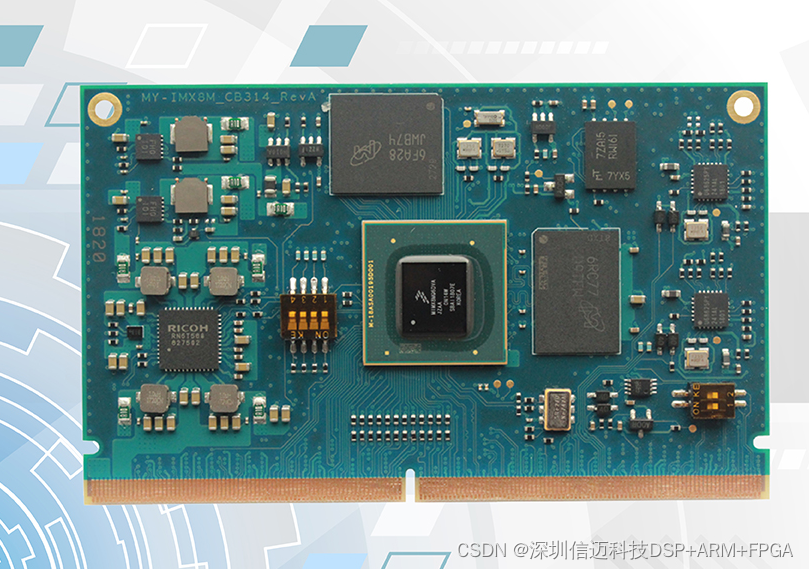
Empowering V2X Collaboration: An i.MX8MPlus+FPGA-based Roadside Unit Main Control Solution for Smart Transportation/Rail Transit
In recent years, China has been dedicated to the rapid development of smart transportation infrastructure. V2X (Vehicle-to-Everything) technology, as a core area deeply integrating autonomous driving with new infrastructure, has become a key focus for new infrastructure investment.
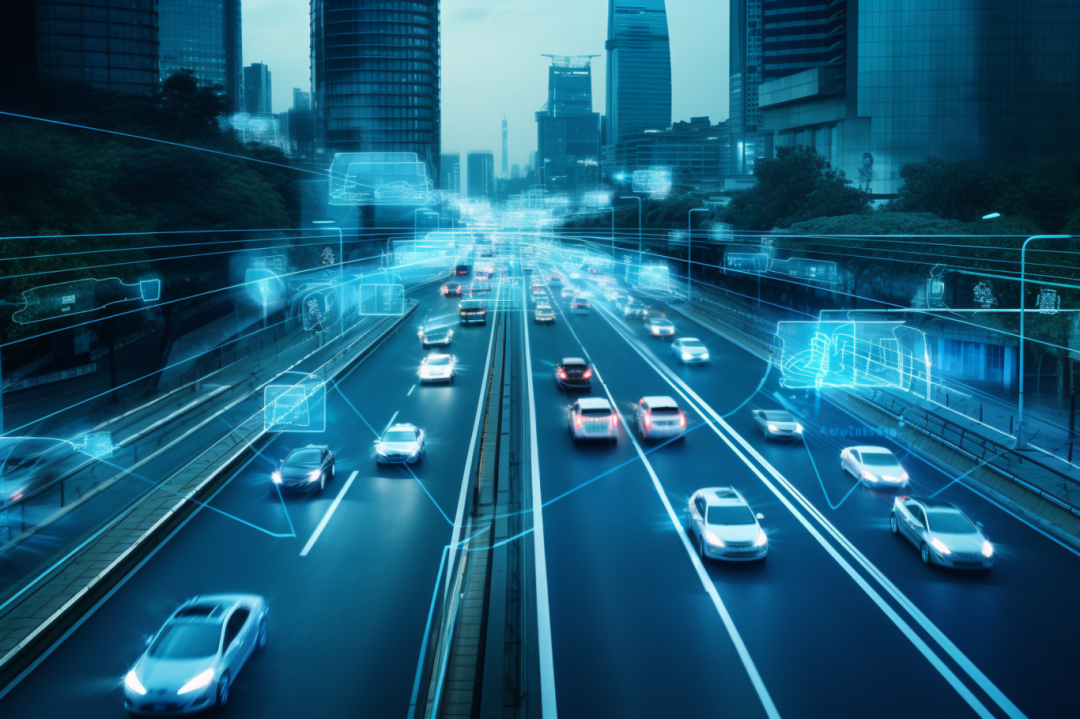
In V2X systems, Roadside Units (RSUs), deployed as critical equipment along roadsides, play a pivotal role. These RSUs not only provide real-time road information to autonomous vehicles but also facilitate intelligent interaction between vehicles (V2V) and between vehicles and infrastructure (V2I), laying a solid foundation for the future development of smart transportation.
1
Main Functions of RSU
Simply put, the main functions of an RSU are to improve traffic efficiency, assist autonomous vehicles, and aid vehicles in high-precision positioning and navigation.
Improve Traffic Efficiency
By integrating various external sensing devices, RSUs can collect and deeply analyze various operational data of road traffic in real-time. Through efficient communication with On-Board Units (OBUs), RSUs transmit this processed critical data in real-time to vehicle drivers or autonomous driving systems.
For example, RSUs can provide precise speed recommendations to vehicles based on real-time traffic flow and road conditions; they can also pre-warn about congested road sections, help drivers plan optimal routes, avoid or alleviate traffic congestion, thereby improving overall traffic efficiency.

Assist Autonomous Vehicles
Currently, autonomous driving systems in vehicles primarily rely on on-board sensors, including millimeter-wave radar, lidar, cameras, and other visual perception equipment. However, on-board sensors are limited by line-of-sight and physical obstructions, posing certain limitations in acquiring traffic information beyond their visual range. This is where RSUs (Roadside Units) play a crucial role.
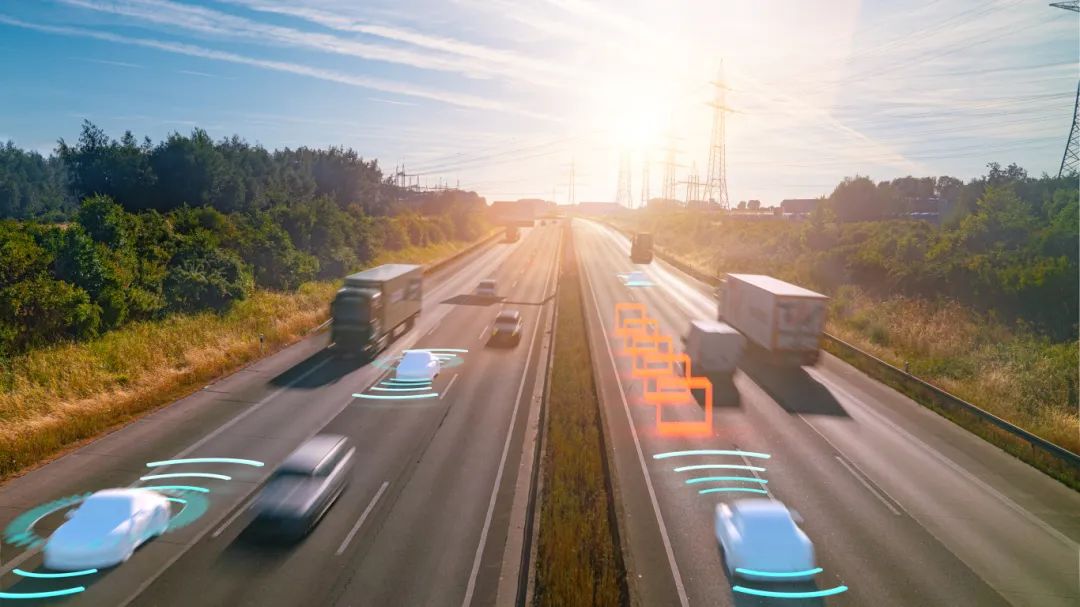
RSUs can connect to various roadside sensing devices and information systems, collecting and broadcasting information beyond the perception range of a single vehicle. For instance, by interconnecting with other RSUs, traffic management systems, weather stations, etc., they can obtain and transmit information about moving objects behind obstructions, and report dynamic road environment parameters such as upcoming weather changes and road conditions. Autonomous vehicles can make safety decisions and driving plans in advance based on the beyond-line-of-sight information provided by RSUs.
Provide High-Precision Positioning and Navigation
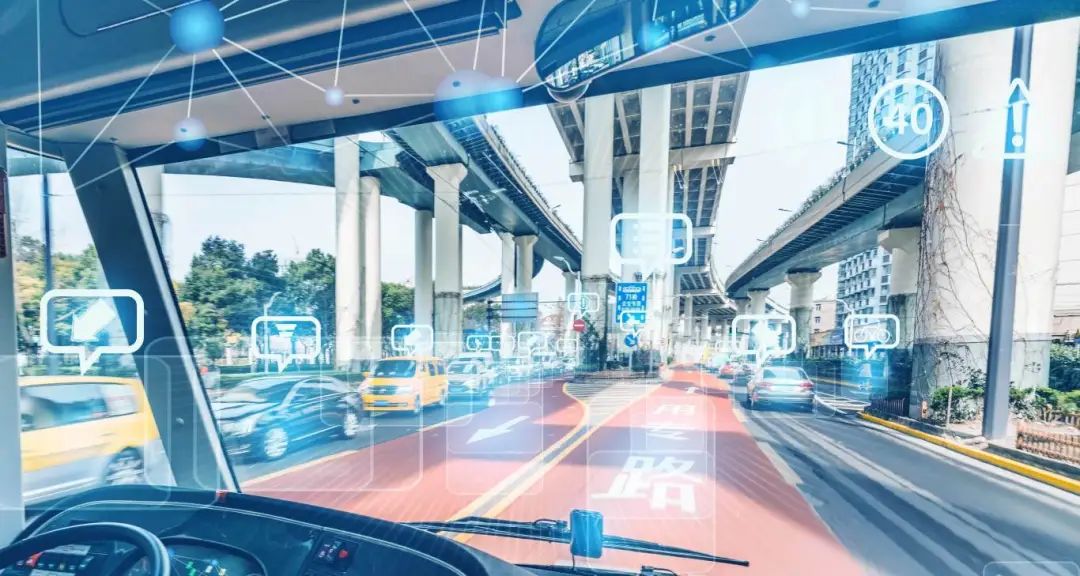
In complex environments such as densely built urban areas and canyons, traditional satellite navigation systems often suffer from reduced positioning accuracy due to signal obstruction or reflection interference. RSUs can act as differential positioning base stations, significantly improving vehicle positioning accuracy in these areas.

By collaborating with OBUs, RSUs can send correction signals to passing vehicles, providing real-time, high-precision differential positioning services, thereby greatly enhancing vehicle positioning and navigation performance in complex environments.
2
How to Design an RSU
Based on the main functions of RSUs and the characteristics of their operating environment, we can summarize the design requirements for an RSU product as follows:
- Powerful data processing capability;
- High-speed data uplink and downlink capabilities;
- Adaptability to complex outdoor environments;
- Integration capability for various communication modules;
- Support for remote device upgrades and management;
- Compact size for easy installation.