ARM/X86+FPGA Solutions for the Rail Transit and Engineering Vehicle Industries
Shenzhen launched its first driverless metro line—Shenzhen Metro Line 20, which can be considered a groundbreaking breakthrough for Shenzhen Metro. Behind the continuous advancements in intelligent transportation lies the need for highly stringent hardware, software, and other control systems. Driverless metro operation means that projects such as signal systems, communication systems, integrated monitoring systems, and platform screen door engineering must undergo strict acceptance procedures. The continuous improvement of industrial intelligent control systems further provides a robust and reliable foundation for intelligent transportation.
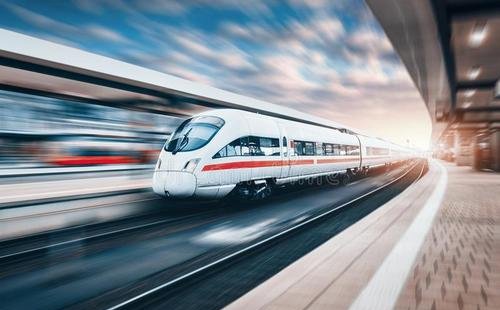
Concept of Intelligent Transportation:
Intelligent Transportation System (ITS) is the future direction of transportation systems. It effectively integrates advanced information technology, data communication transmission technology, electronic sensing technology, control technology, and computer technology, applying them to the entire ground transportation management system. This creates a real-time, accurate, and efficient integrated transportation management system that operates comprehensively and across a wide range.
Intelligent Transportation Systems improve transportation efficiency through the harmonious and close cooperation of people, vehicles, and roads, alleviating traffic congestion, enhancing road network capacity, reducing traffic accidents, lowering energy consumption, and mitigating environmental pollution.
According to ITS applications in a certain region, the predicted benefits for 2015 were: a 10% to 50% reduction in traffic congestion; a 5% to 15% saving in energy; over a 25% reduction in air pollution; a 5% to 25% reduction in enterprise operating costs; and a 30% to 60% reduction in accidents.
Advantages:
Intelligent Transportation Systems have the following two characteristics: First, they focus on the widespread application and services of traffic information. Second, they aim to improve the operational efficiency of existing transportation facilities. Compared to general technical systems, the requirements for integrity during the construction of Intelligent Transportation Systems are more stringent. This integrity is reflected in:
(1) Cross-industry characteristics. The construction of Intelligent Transportation Systems involves numerous industry sectors, making it a complex, large-scale system engineering project with broad societal participation, which leads to complex inter-industry coordination issues.
(2) Technical domain characteristics. Intelligent Transportation Systems integrate achievements from numerous scientific fields such as transportation engineering, information engineering, control engineering, communication technology, and computer technology, requiring collaborative efforts from technical personnel across many domains.
(3) Joint participation of government, enterprises, research institutions, and universities. Appropriate role definition and task allocation are crucial prerequisites for the effective implementation of the system.
(4) Intelligent Transportation Systems will primarily be supported by new-generation information technologies such as mobile communication, broadband networks, RFID, sensors, and cloud computing, better meeting human application needs, increasing trustworthiness, and becoming "ubiquitous."
We are an IoT hardware platform provider and offer products and solutions for the intelligent manufacturing industry. Our main products include industrial PCs (IPCs), embedded boards, computer vision platforms, motion controller data acquisition modules, and I/O control cards, among others.
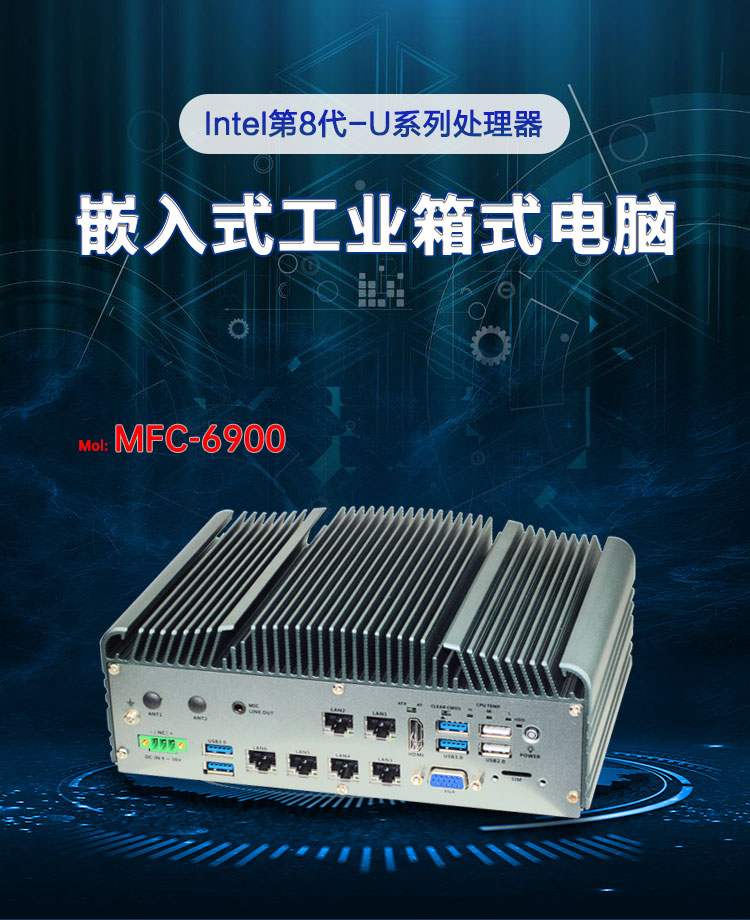
We are launching a new industrial PC, the MFC-6900, for intelligent transportation. It uses an Intel Core i5-8265U 8th generation processor, offering approximately a 10% performance improvement over the previous generation. It can simultaneously handle web browsing, text editing, video, and voice, calmly meeting challenges. The IPC chassis features a striped, grille-like design with a sealed, integrated molding. This ensures external airflow for efficient heat dissipation. The fanless design prevents internal dust accumulation, reduces failure rates, and offers convenient use.
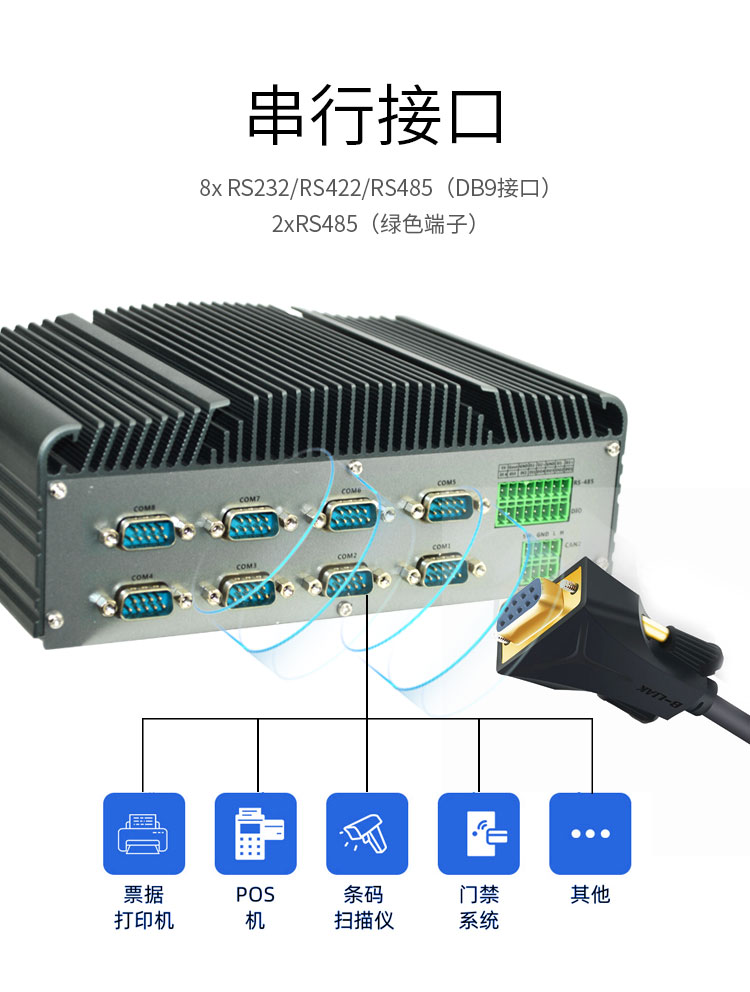
Conventional interfaces such as serial ports, network, audio, USB, 4G, WIFI, MIC, and HDMI are all available. This allows for easy application in smart security checks, intelligent access control systems, facial recognition, barcode scanning, self-service ticketing, and more. In addition, we provide many other embedded computer system products for the intelligent industrial sector, serving a wide range of industrial customers.
High Cost-Performance Ratio: Highly cost-effective industrial control products, reducing customer cost pressure.
Quality Heritage: Adopting our strict industrial PC quality control system to ensure reliable quality.
Better Compatibility: Pre-tested with our automation software to ensure safe operation.
Optimized Solutions: Together with our other automation products, we provide customers with more optimized system solutions.