Intelligent Video Analytics Edge AI Box and Application Scenarios: Numerous Fields such as Communities, Campuses, Hotels, Shopping Malls, Restaurants, Hospitals, Ports, etc.
Application Scenarios: Communities, Campuses, Hotels, Shopping Malls, Restaurants, Hospitals, Ports, and Many Other Fields
I. Edge AI Box Product Introduction
-
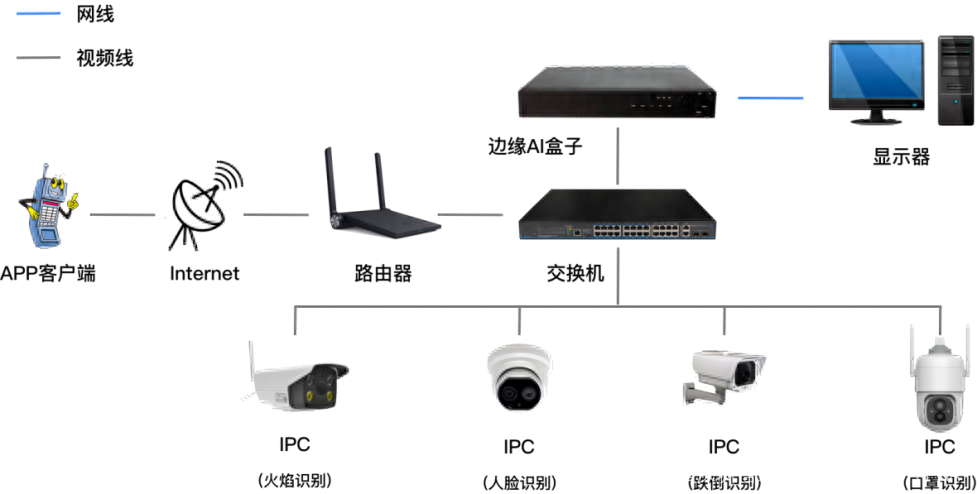
Based on a rich algorithm repository, algorithms can be flexibly configured for different scenarios and remotely updated and iterated in real-time.
-
Supports custom video channel algorithm execution plans.
-
Supports searching for alert event videos based on event name, time, and other criteria.
-
Supports unified storage and management of event-driven video data, saving space.
-
Supports intelligent video storage, intelligent processing, platform management, intelligent retrieval, alert management, and other functions.
-
Supports connecting to third-party cameras via ONVIF and RTSP protocols, and supports HDMI video output, etc.
II. Features
-
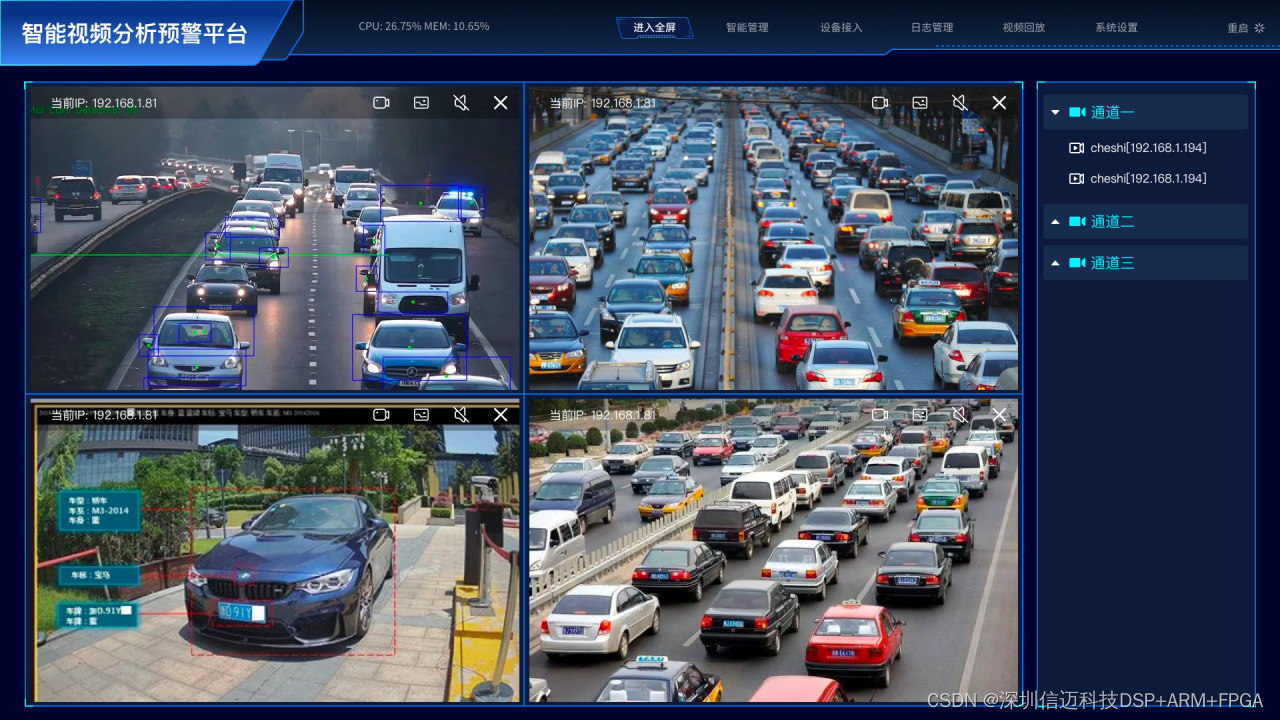
Integrated Centralized Management of People, Vehicles, Objects, and Environment — Provides integrated supervision for people, vehicles, objects, and the environment within designated areas, enabling real-time reporting and viewing of various abnormal information to assist in rapid decision-making.
-
Supports Integration with Various Platforms and Devices — The data information management platform can be customized and developed for different scenarios, integrating with various devices and platforms.
-
Direct Connection to Front-end Cameras for Easy Deployment — Easily connects to various front-end cameras via the Edge AI Box, enabling intelligent storage, processing, alert linkage, and other functions.
-
Supports Autonomous Algorithm Training for More Scenarios — AI vision algorithm automated training provides a complete set of tools for autonomous algorithm optimization (including collection, labeling, training, deployment, etc.) to adapt to the algorithm needs of specific scenarios.
-
Hundreds of Vision Algorithms, Flexible Calling — A rich set of basic algorithms perfectly matches the needs of multi-scenario applications, such as restaurants (detection of chef uniforms/hats, small animals, area hygiene, etc.), area security (identification of smoke/fire, boundary intrusion, fighting, high-altitude littering, etc.), area management (identification of license plates/vehicle types, aisle obstruction, illegal parking, etc.), and business analytics (pedestrian flow statistics, trajectory analysis, VIP recognition, etc.).
III. Application Scenario Examples
Widely applied in scenarios such as security monitoring, behavioral compliance, hygiene supervision, anomaly alerts, daily management of people, vehicles, and objects, and business data analysis in fields like campuses, communities, shopping malls, stores, hospitals, and transportation.
1. Restaurants — Ensuring Food Health and Safety, and Personal Safety
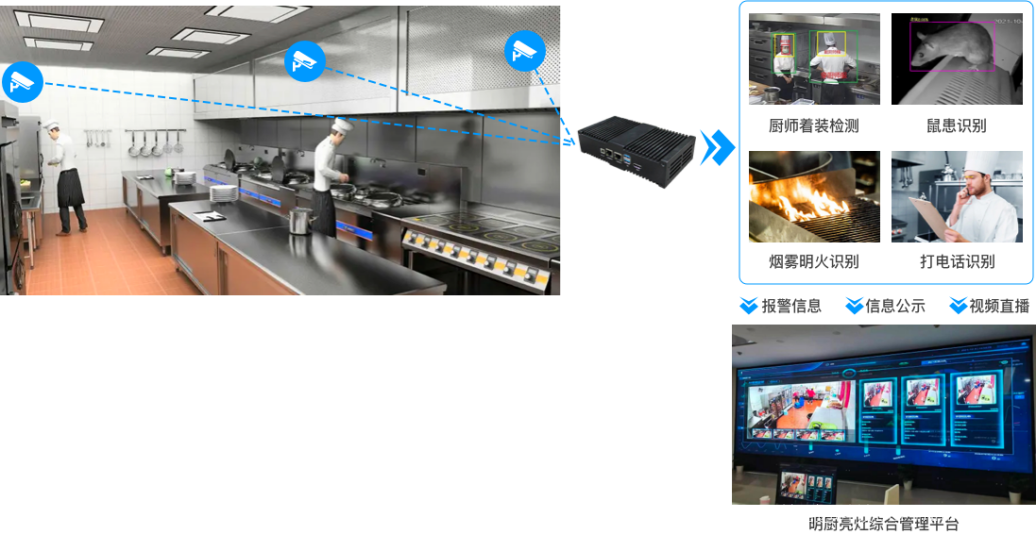
Automatic identification by surveillance cameras in areas such as the rough processing area, cooking area, and cleaning/disinfection area in restaurant kitchens.
1.1 Dress Code Compliance
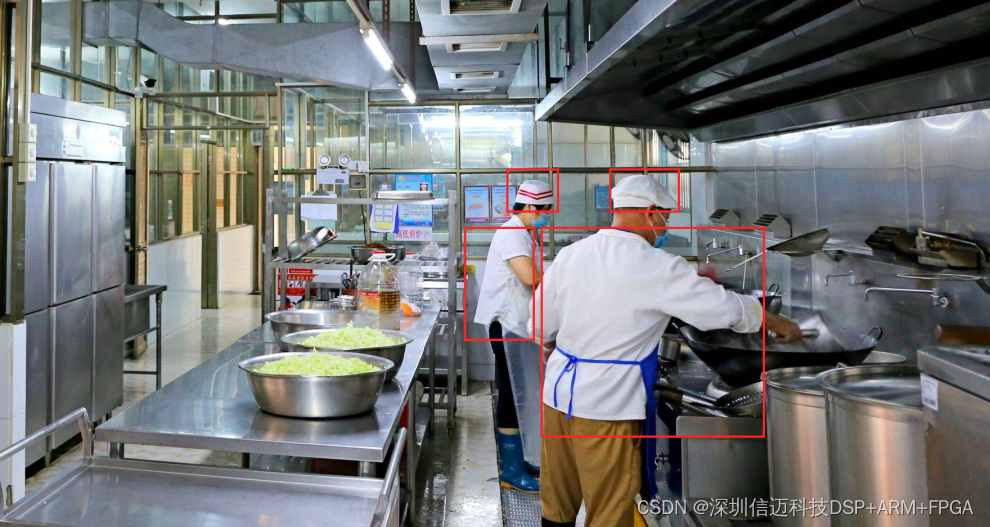
Identification, detection, and alerting for the proper wearing of chef uniforms/hats, masks, gloves, and other items by kitchen staff.
1.2 Venue Compliance
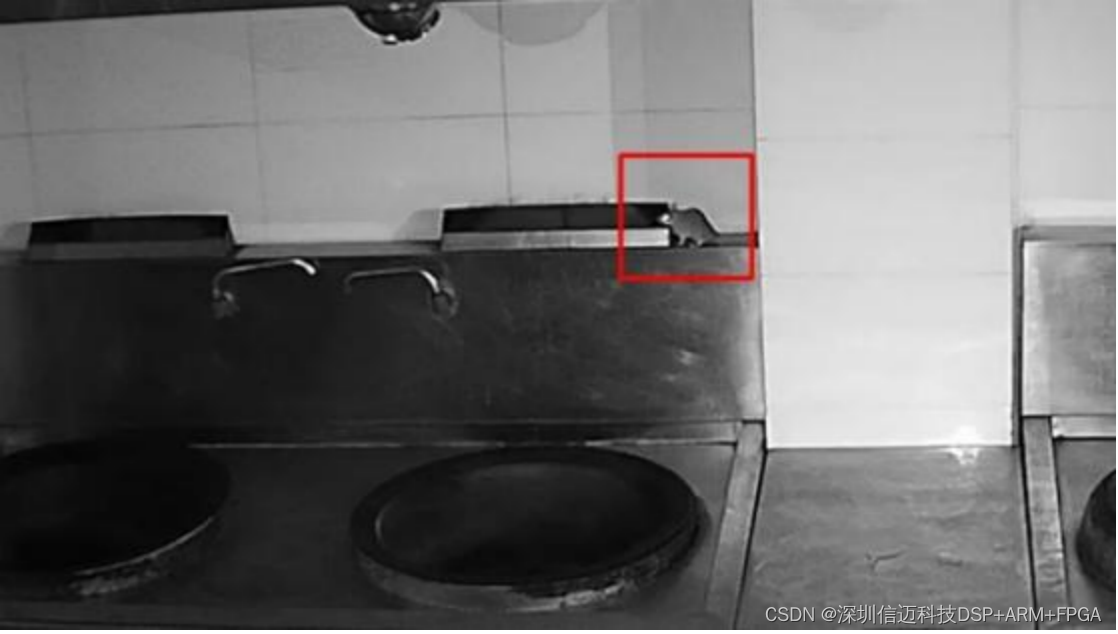
Rat identification
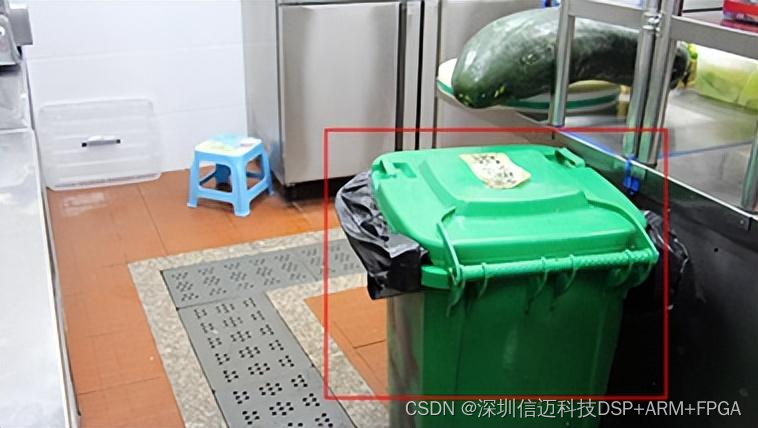
Overflowing trash can
Identification and alerting for overflowing kitchen trash cans, small animals (rats, cats, dogs), or unauthorized entry by strangers.
1.3 Behavioral Compliance
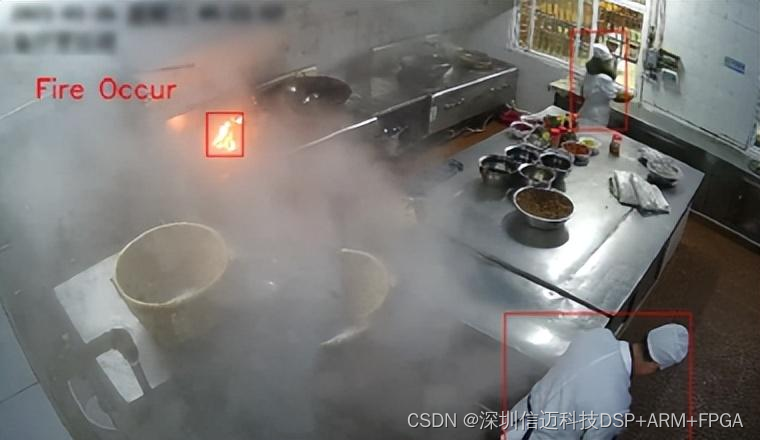
Smoke/Fire identification
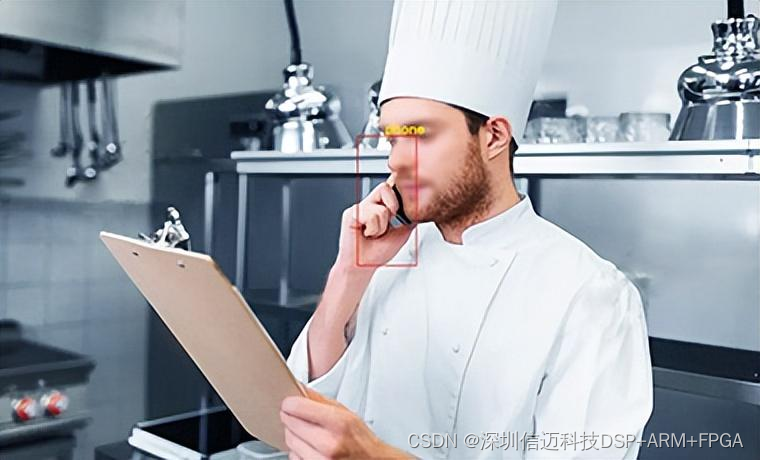
Phone call identification
Detection and alerting for violations by kitchen staff, such as smoking, making phone calls, or leaving open flames unattended.
2. Smart Communities — Ensuring Community Member Safety, Strengthening Behavioral Compliance and Environmental Hygiene Supervision
2.1 Perimeter Protection
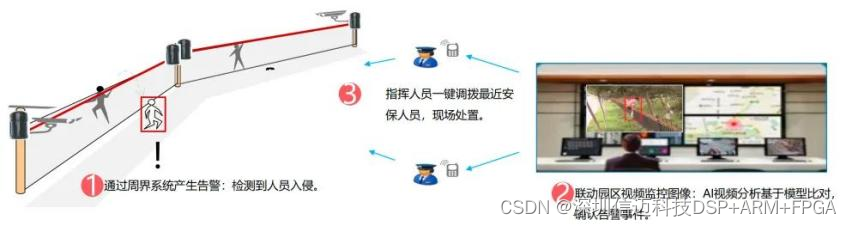
-
Automatically saves video before and after camera alerts for analysis and evidence collection.
-
Multi-system linkage of alerts, cameras, and maps, retrieving real-time video and historical footage from nearby cameras.
2.2 Trajectory Tracking
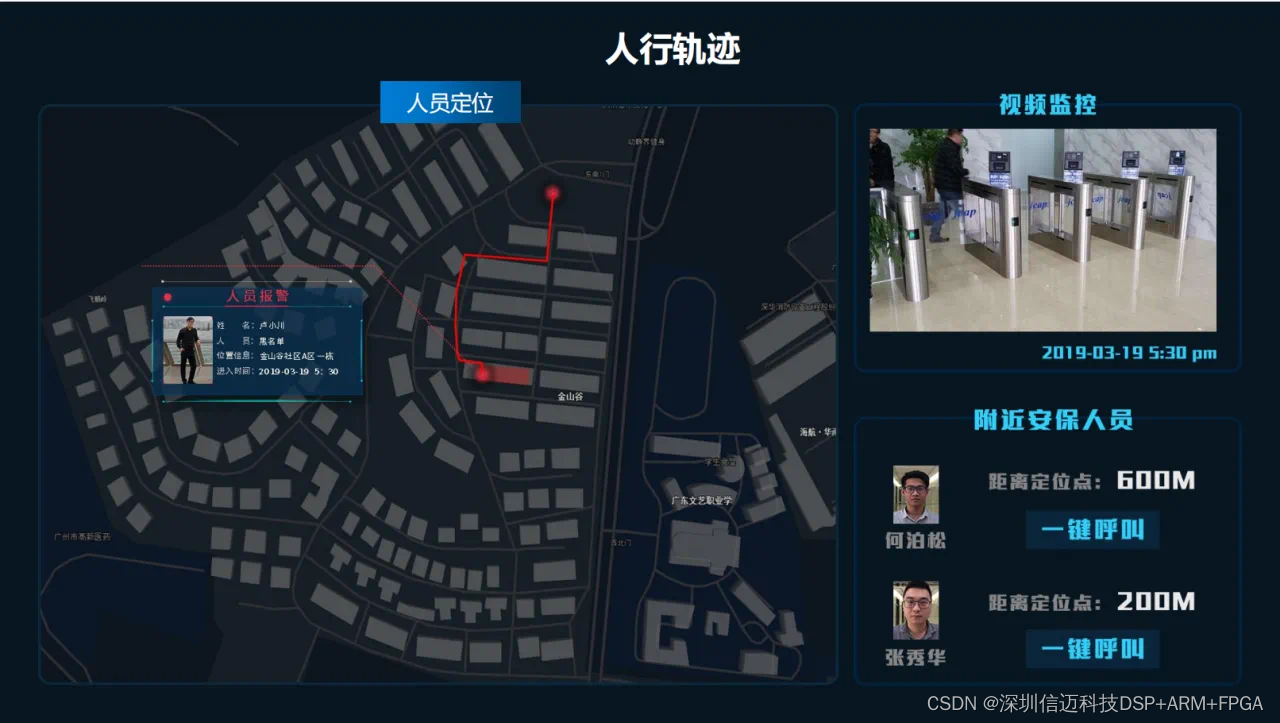
Through AI video stitching services, view stitched footage and behavioral trajectories of designated individuals passing through each camera.
2.3 Personnel Deployment (Blacklist/Whitelist)
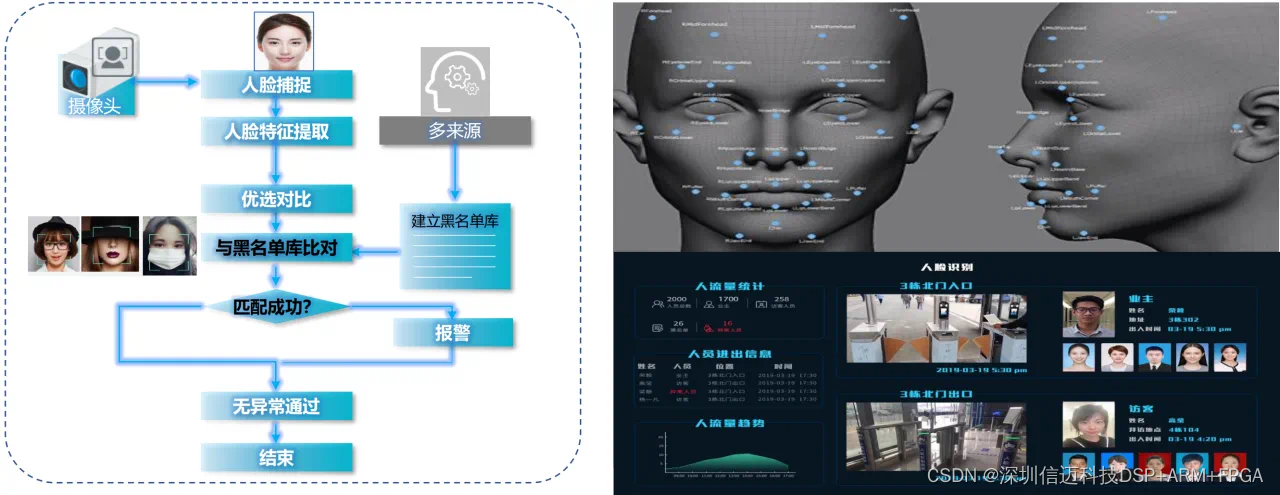
Based on AI algorithms, faces are identified and managed. When a blacklisted person is recognized, an alarm message is pushed to the platform for trajectory tracking, achieving blind-spot-free monitoring.
2.4 AI Behavioral Analysis
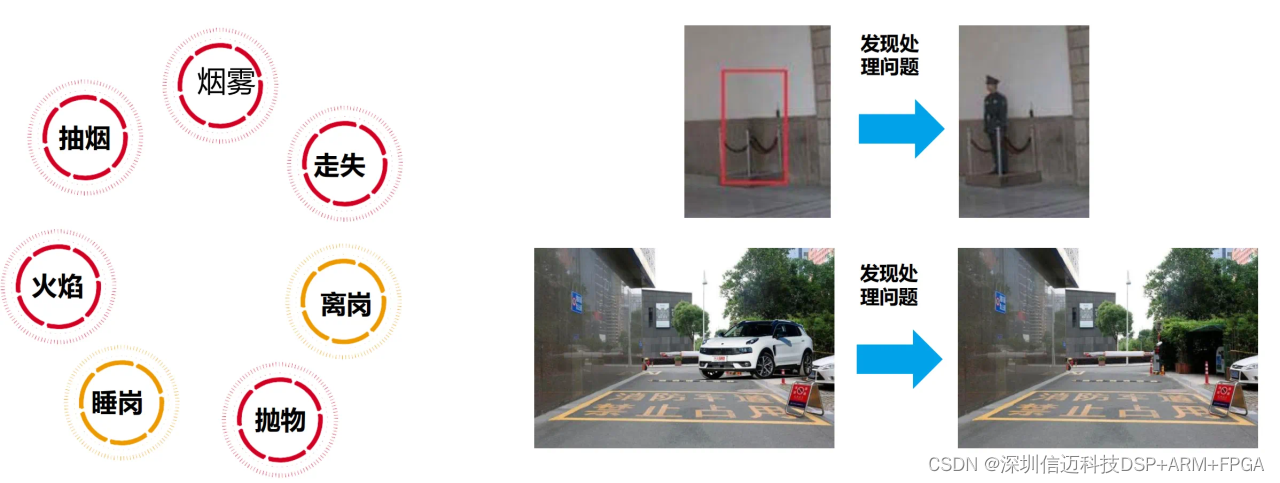
Based on AI algorithms, violations such as personnel (sleeping/leaving post), smoking, smoke, open flames, and abnormal vehicle occupation are captured. When issues are detected, alerts can be linked and notifications sent for processing.
2.5 Emergency Linkage
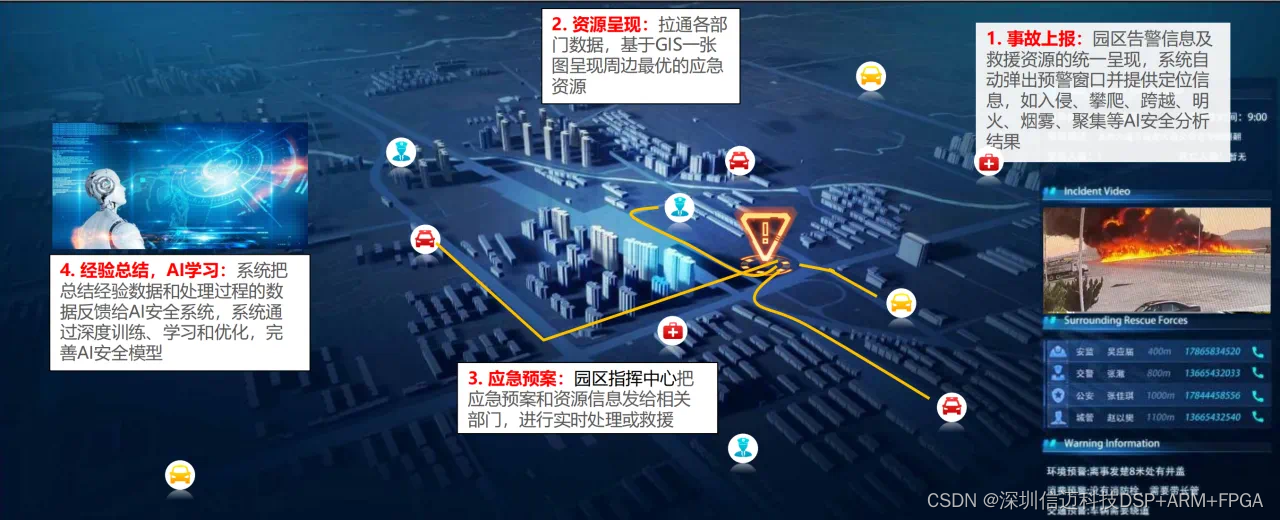
3. Smart Shopping Malls/Supermarkets — Ensuring Staff Safety, Assisting Stores in Developing Sales Strategies, Aiding Mall Layout Optimization, and Enhancing User Shopping and Entertainment Experience
3.1 Pedestrian Flow Statistics
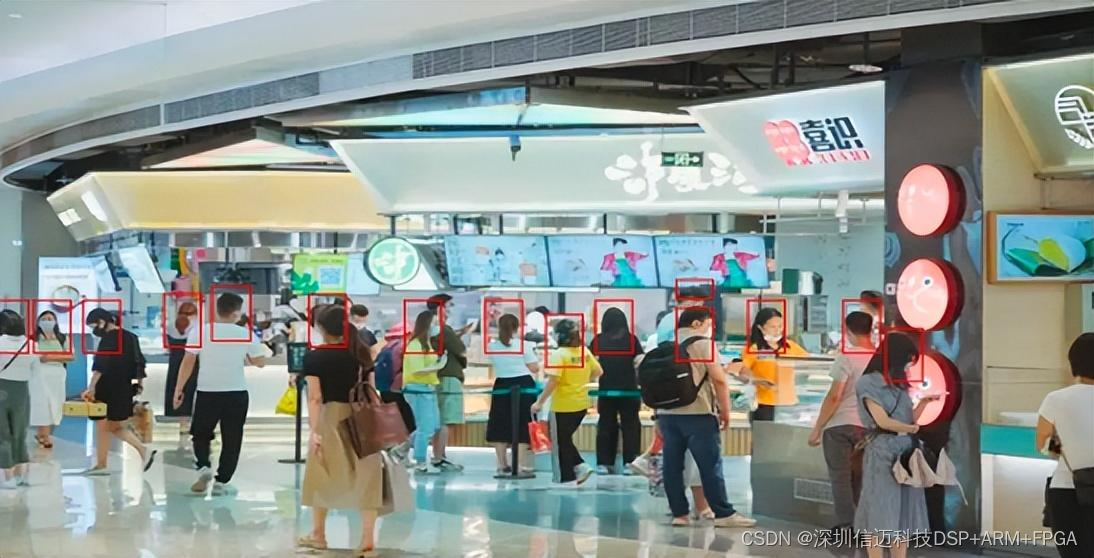
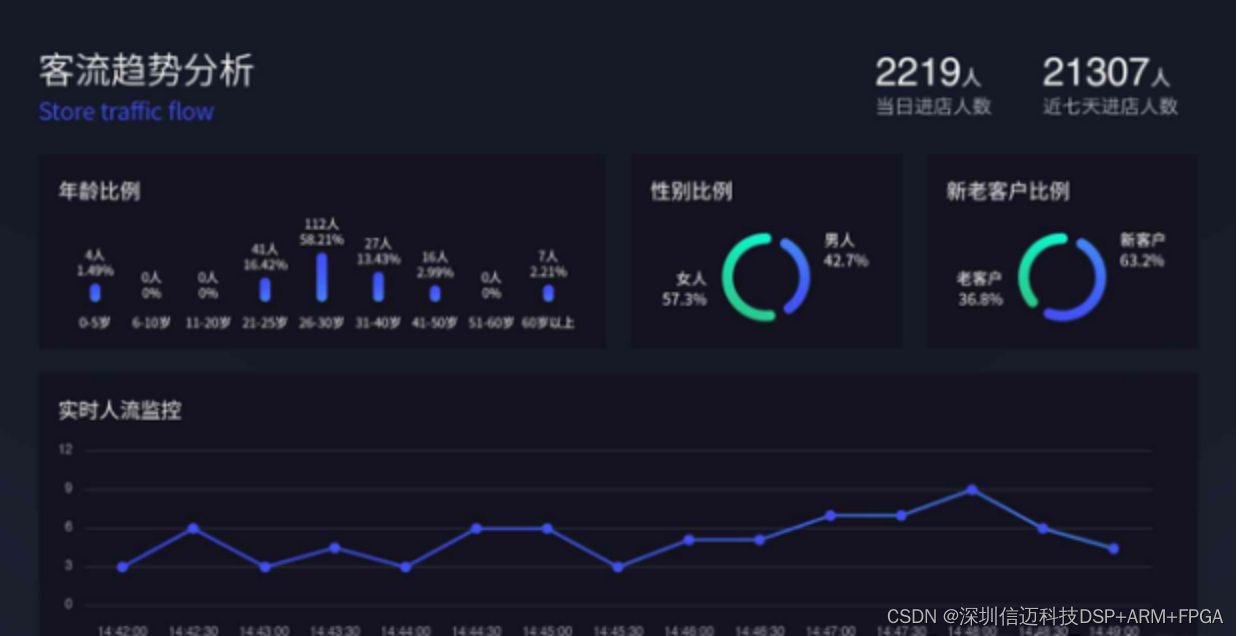
By utilizing cameras at mall entrances/exits and individual stores, analyze mall pedestrian flow attributes including (quantity, gender, age group, time points, etc.).
3.2 VIP Recognition
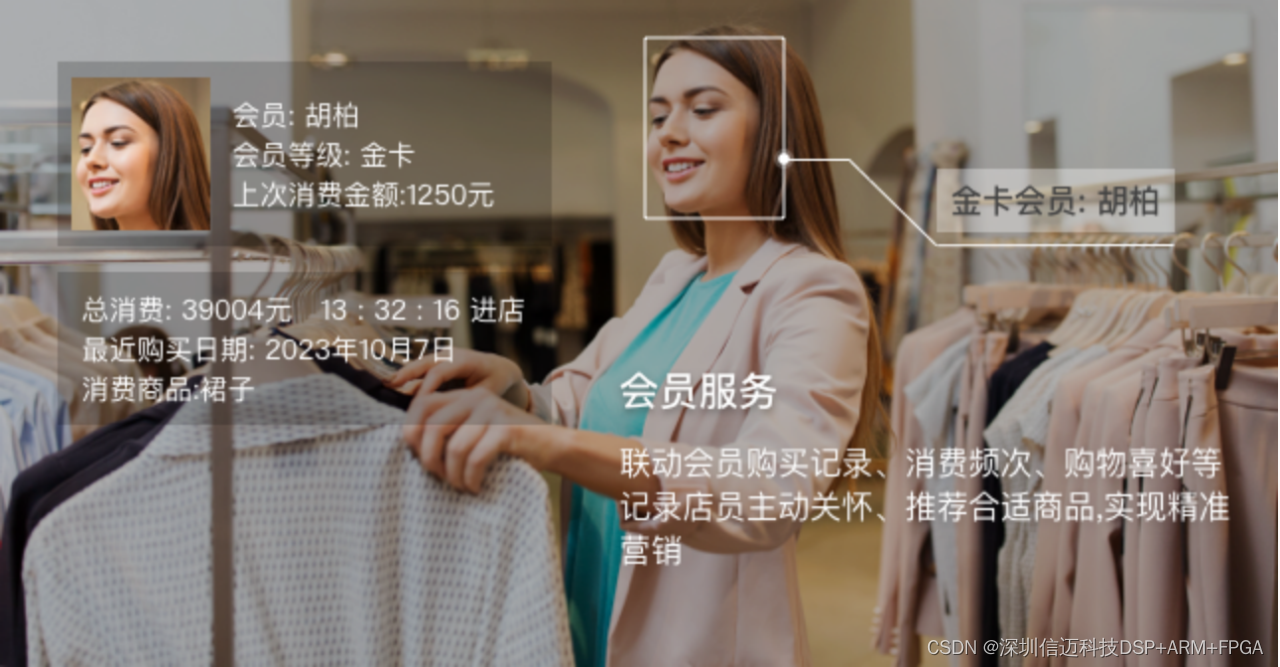
Confirm VIP customers through facial recognition, notify store staff to simultaneously push VIP customer information (including purchase preferences, consumption data, visit frequency, etc.), thereby enhancing customer service and improving service efficiency.
3.3 Trajectory Analysis
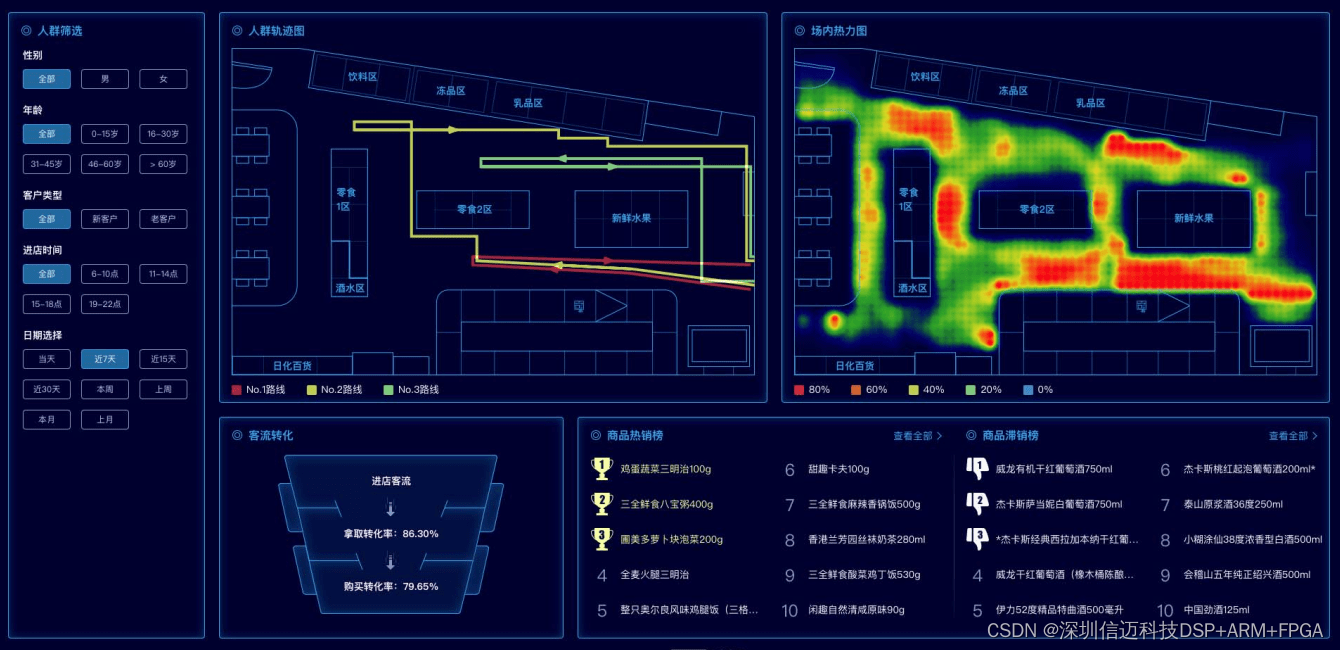
Through pedestrian flow trajectory analysis (density areas of pedestrian paths, path trajectory distribution, speed, dwell time, etc.), assist shopping malls and stores in adjusting sales