Intel/ARM/Domestic EMS Energy Storage Controller Solutions
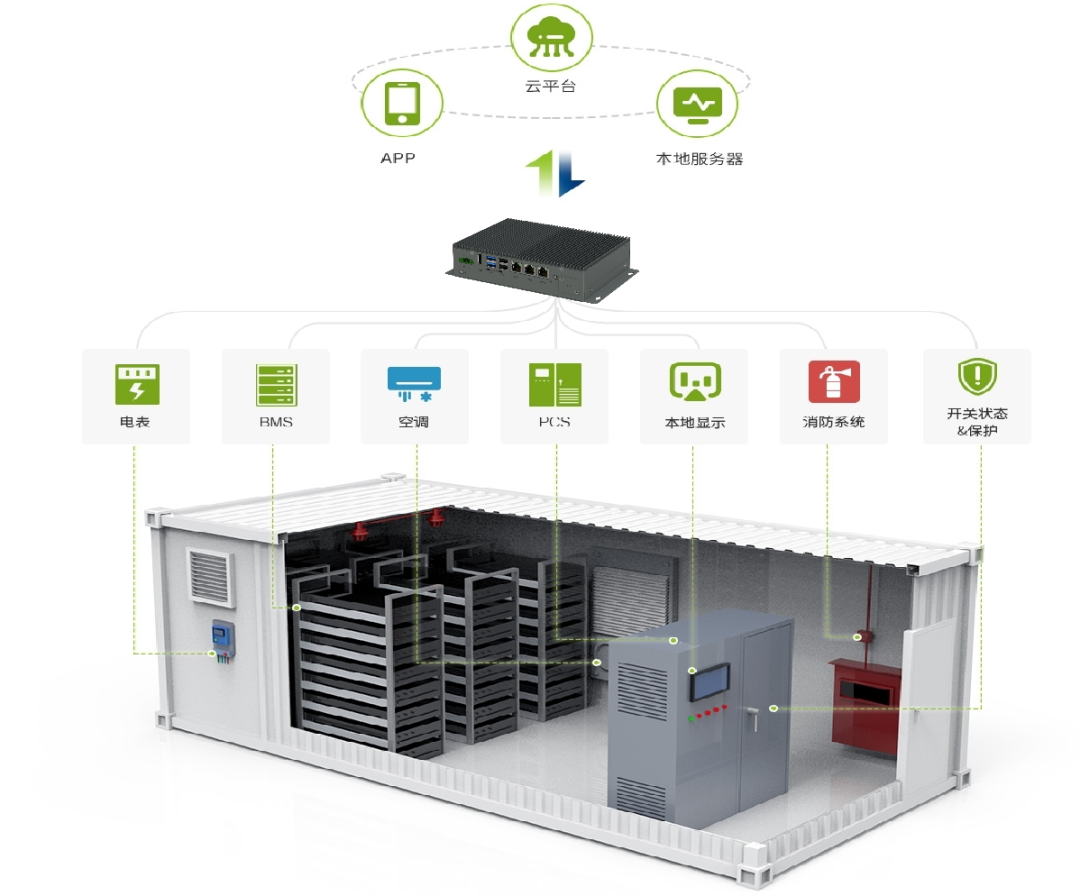
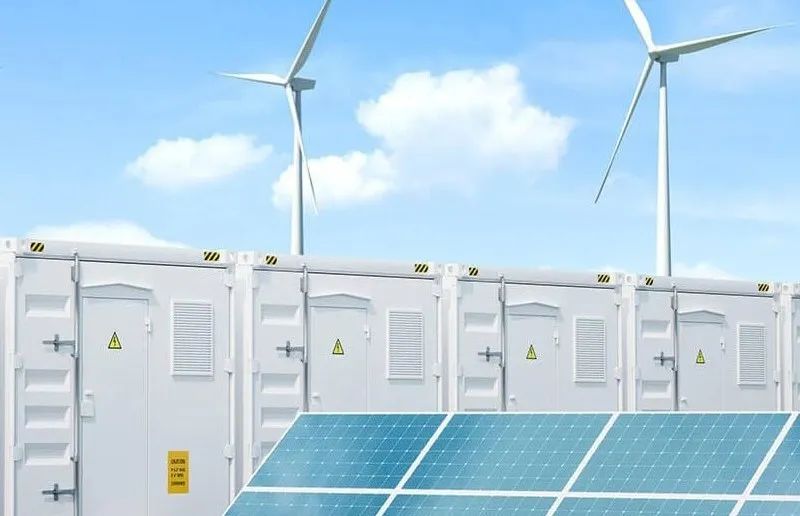
New energy storage is a critical equipment foundation and key supporting technology for building a new power system and advancing the green, low-carbon transformation of energy. It plays a vital role in achieving carbon peak and carbon neutrality goals. When it comes to energy storage, the public often first thinks of batteries, whose performance directly affects energy conversion efficiency, system lifespan, and safety. However, for energy storage to function effectively as a complete system, the EMS (Energy Management System)—the "brain" of the system—is equally important.
In 2024, there will be a strong push to launch new products in industries such as new energy and smart healthcare, focusing on user-centric design and real-world application scenarios to drive product innovation through use cases. Yesterday morning, the first major product launch of 2024 was successfully unveiled. This new release marks the debut of the ECC (Energy Controller) Series—a dedicated energy storage controller designed specifically for EMS. Let’s take a closer look!
New Product Highlights
Equipped with the Intel® Elkhart Lake U-series processor, this device offers rich I/O interfaces and integrates 2×Mini PCIe expansion modules. It supports either DC 12V or wide-range DC 9–36V (optional) power input. The product features an SGCC enclosure with a compact, sleek design, making it ideal for energy storage system integration and manufacturing.
01
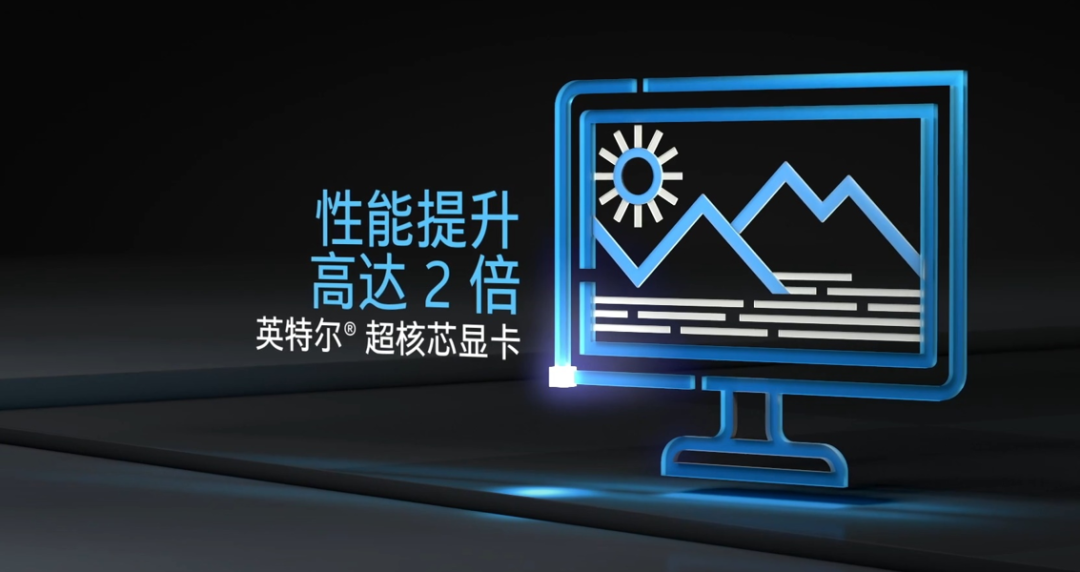
Intel® Gen10 UHD Graphics
Supports 4K Display Output
🔹 Can simultaneously drive up to three independent displays
🔹 Supports display resolutions up to 4Kp60
Advanced Video Encoding and Decoding Capabilities
🔹 Supports parallel decoding with integrated advanced media encoders and decoders for the latest H.265 encoding
🔹 Hardware Encoding (HW Encode): Supports H.265/HEVC, H.264/MPEG-4 AVC, MPEG-2, JPEG/MJPEG, VP8
🔹 Hardware Decoding (HW Decode): Supports H.265/HEVC, H.264/MPEG-4 AVC, MPEG-2, VC-1/WMV9, JPEG/MJPEG, VP8, VP9
02
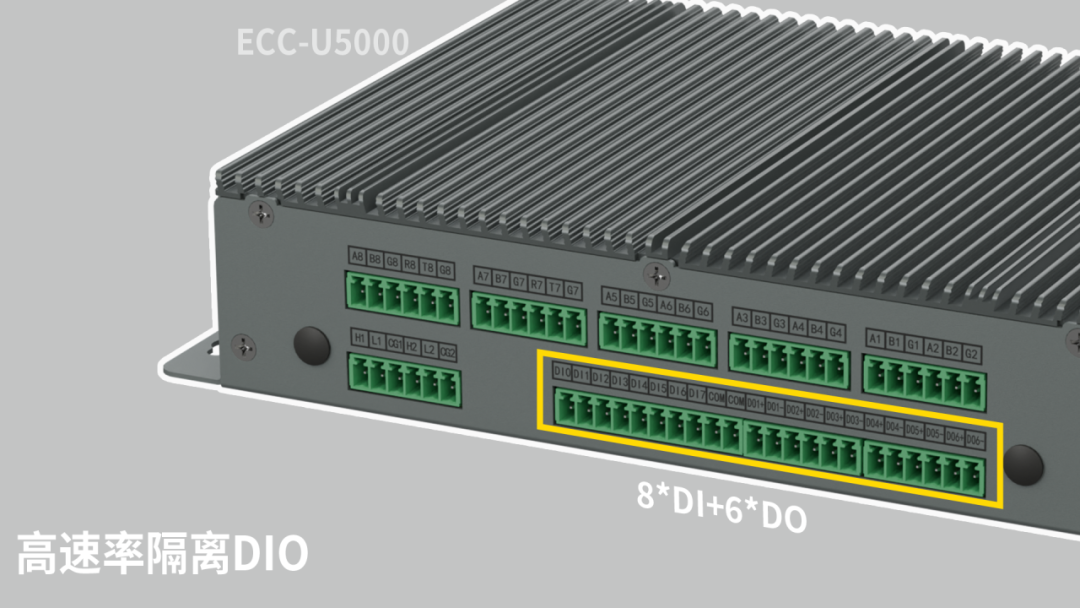
High-Speed Isolated DIO
🔹 8×DI via Phoenix connectors, wet contact input with 24V/0V high/low level signals, optically isolated
🔹 6×DO via Phoenix connectors, relay normally open (NO), passive output; relay contact rating: 30V DC/5A, 250V AC/5A
🔹 Each pin is physically and electrically isolated, minimizing voltage spikes, ground loops, and common-mode interference during data acquisition
🔹 Maximum DIO rate: 1MHz, pulse cycle as short as 1μs per pulse
03
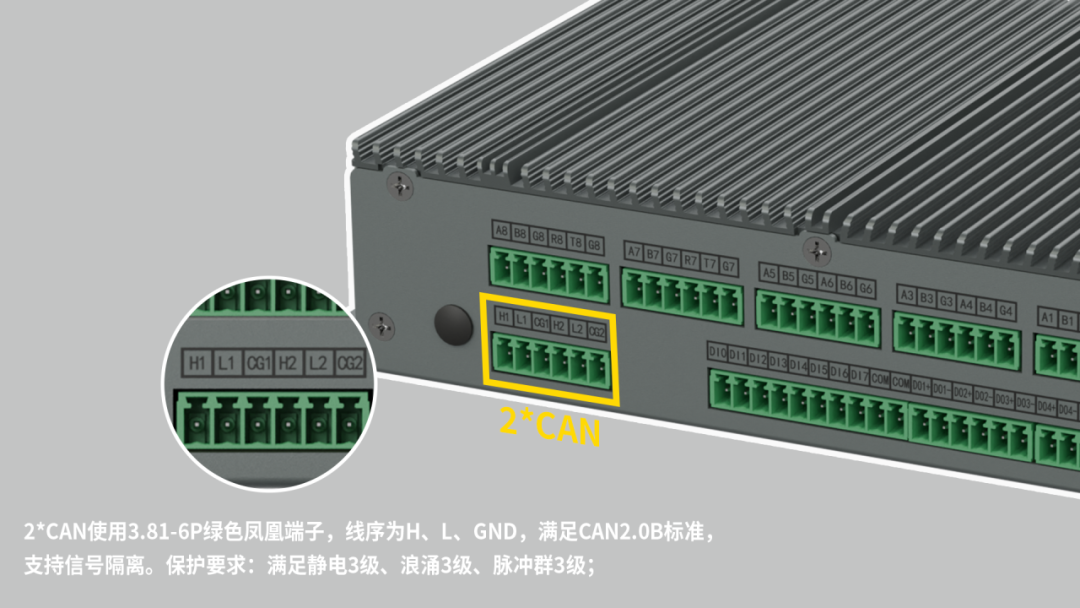
Modular CAN Design
🔹 Supports CAN BUS protocol
🔹 Supports CAN message acceptance filters with baud rates of 10/20/50/100/250/500/800/1000K
🔹 Used to connect to the main controller (BMU) on battery management systems (BMS)
04
Modular Wide-Range Power Supply Design
Features the modular wide-input power supply OFX-075 (DC 9–36V), with overvoltage, overcurrent, reverse polarity, and short-circuit protection—ideal for the power environment of energy storage EMS systems. Also supports cost-effective DC 12V power input, offering flexible power supply options.
05
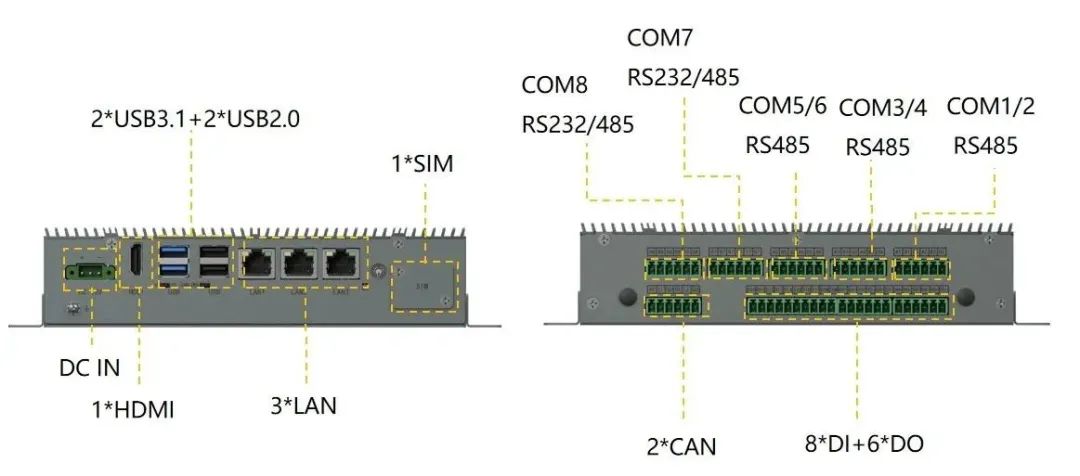
Rich IO Interface
Multiple Ethernet and serial interfaces meet the data acquisition needs of energy storage EMS systems.
06
Fanless Passive Cooling Design
🔹 Full CPU load operating temperature: -20°C to 60°C, suitable for semi-enclosed cabinets or semi-outdoor environments
🔹 Fanless sealed enclosure design with IP41 protection rating
07
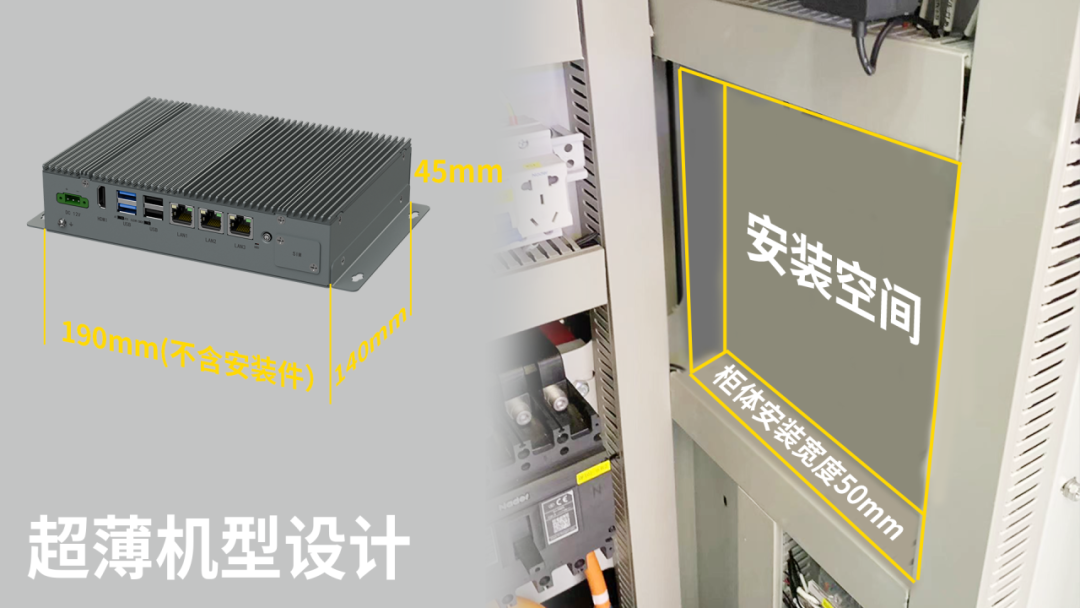
Ultra-Slim Form Factor
Ultra-slim design with a total height of only 45mm, meeting width requirements for most cabinet installations.
08
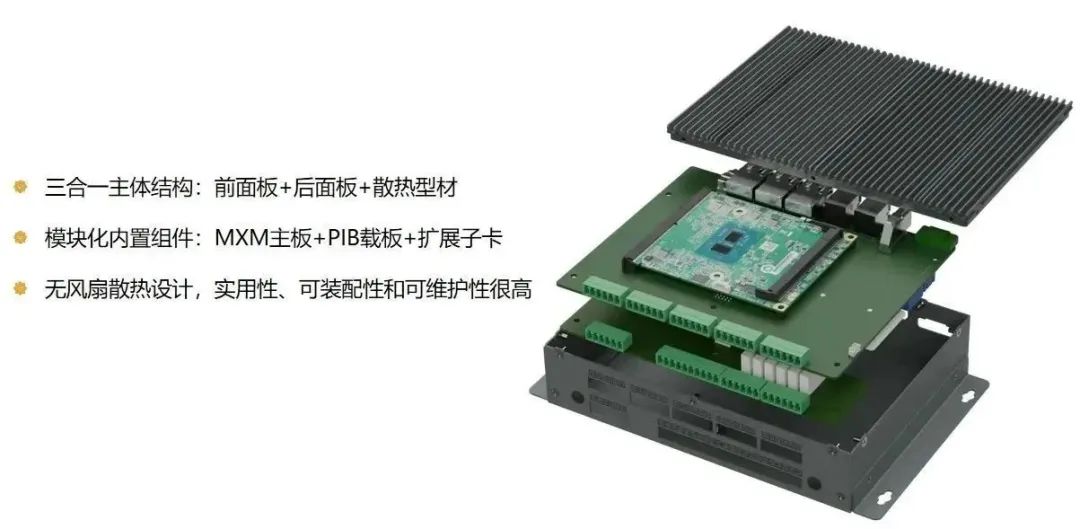
Fully Modular System Design
09
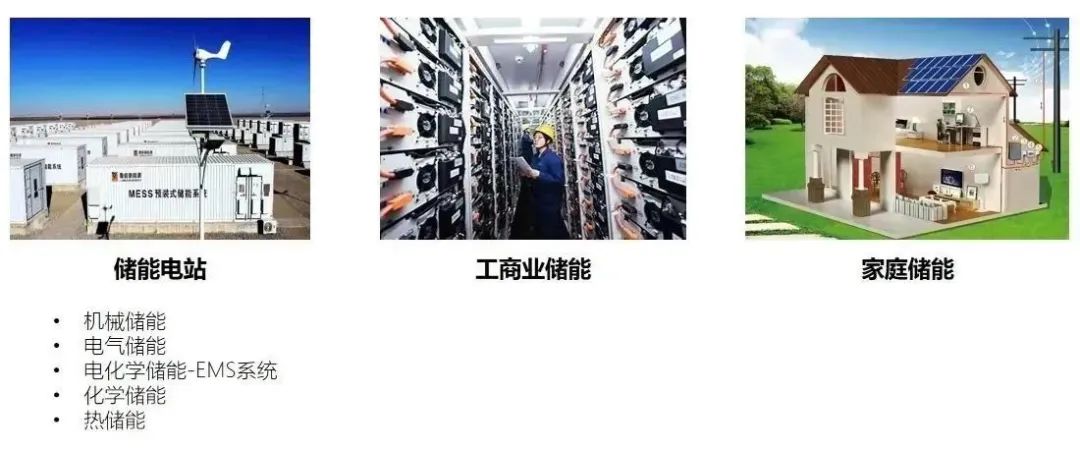
Market Focus
10
Application Scenarios
🔹 Monitoring and data acquisition: battery charge/discharge status, temperature, voltage, current, etc.
🔹 Data analysis and optimization: adjusting charge/discharge strategies, improving energy utilization efficiency
🔹 Energy dispatch and control: scheduling charging and discharging operations based on demand forecasting, electricity pricing, and grid load
🔹 Fault detection and safety protection: preventing over-discharge, overcharge, and abnormal temperatures to ensure safe operation of energy storage systems