PXI/PCIe/VPX Chassis ARM|x86 + FPGA Test and Measurement Board Solution
The portable PXI test and control system is a field-deployable measurement and control solution based on the PXI bus. It fills the gap left by conventional benchtop and rack-mounted instruments in field test and portable measurement applications. Widely used in military defense, aerospace, weapons electronics, naval systems, and scientific research, this system meets the demanding requirements of real-world testing environments.
Due to the unique nature of portable PXI systems, different measurement and control projects have highly varied requirements. Major international and domestic vendors in the test and control industry rarely invest in R&D specifically for these low-volume, customized solutions.
This article begins with an introduction to National Instruments (NI) and the PXI bus, then systematically explores the background and specific needs driving the development of portable PXI test and control systems. It details their unique characteristics and customization demands. The article also comprehensively presents the technical architecture and solution features of portable PXI systems, explaining how they are increasingly adopted by users as a powerful complement to traditional benchtop and rack-mounted platforms. It further highlights how these systems collaborate with leading global test and control vendors to play an ever-growing role in diverse portable measurement scenarios.
The outline of this article is as follows:
-
Test and Control Systems Are Everywhere
-
NI Leads the Test and Measurement Industry
-
Origins of the PXI Bus
-
From PXI to PXIe Bus
-
PXI and PXIe Continue to Drive Test System Evolution
-
Demand for Portability in Test and Control Systems
-
The Rise of Portable PXI Test and Control Systems
-
Deep Customization Services for Portable PXI Systems
1. Test and Control Systems Are Everywhere
Test and control systems are integrated platforms combining measurement and control capabilities, widely applied across industries. In different operational environments and for various targets, these systems perform distinct tasks. They incorporate diverse functional modules capable of handling signals ranging from digital to analog, low-frequency to high-frequency, and low-throughput to high-throughput data. Software and hardware components within the system work together to execute user-defined test and control programs.
2. NI Leads the Test and Measurement Industry
Founded in 1976, National Instruments (NI), headquartered in Austin, Texas, USA, is a leader in the test and measurement industry. As a publicly traded company in the measurement sector, NI operates more than 50 subsidiaries and offices worldwide. For over 40 years, NI’s software development platforms and extensive range of hardware modules have helped engineers and scientists solve challenges across design, prototyping, and deployment phases. NI serves over 30,000 customers globally, enabling them to build customized test and control systems for diverse applications. Notably, NI’s PXI product line plays a pivotal role in tens of thousands of test systems and stands out as one of NI’s most dynamic and successful product families.

3. Origins of the PXI Bus
In 1997, NI developed and released the PXI specification, officially launching it in 1998 to meet the growing demand for complex instrument systems. PXI is an open industrial standard designed for high-performance test applications. NI is the founding member and leader of the PXI Systems Alliance (PXISA). Today, the PXISA manages the PXI standard, comprising over 70 global companies that jointly promote PXI, ensure interoperability, and maintain the PXI specification.
PXI is an architecture built upon PCI (Peripheral Component Interconnect) and CompactPCI (CPCI), enhanced with additional dedicated signaling. It inherits the electrical characteristics of the PCI bus, delivering high data transfer rates ranging from 132 MB/s to 528 MB/s, with full software compatibility. At the same time, PXI adopts the mechanical form factor of CPCI, benefiting from its high density, rugged enclosure, and high-performance connectors.
4. From PXI to PXIe Bus
By the end of 2005, the commercial PC industry transitioned from PCI to PCI Express (PCIe), significantly increasing available bus bandwidth. In parallel, PXI evolved into PXI Express (PXIe), dramatically enhancing data throughput. By integrating PCIe into the PXI standard, PXIe meets a broader range of application needs. PCIe technology is embedded into the backplane while maintaining backward compatibility with existing systems. In addition to x1, x4, and x8 PCIe links, PXIe system controller slots support up to x16 PCIe links, providing backplane bandwidth of up to 24 GB/s or higher. Leveraging PCIe, PXIe increases available bandwidth by over 45 times—from 132 MB/s to 24 GB/s or more. For example, the industry’s first high-performance quad-core, eight-thread PXIe-9170 controller, supporting dual SSDs (one NVMe SSD for the system drive and one SATA SSD for data storage), features PCIe Gen3.0 links with up to 16 GB/s bandwidth, meeting demanding high-throughput test requirements.
5. PXI and PXIe Continue to Drive Test System Evolution
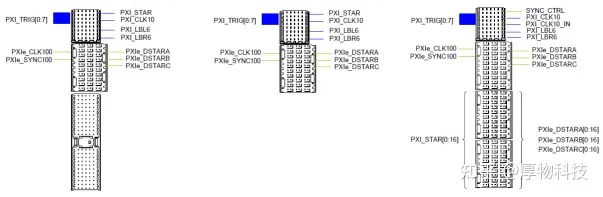
PXI bus products offer high-performance, rugged, and cost-effective configurations for test and control systems. By combining the PCI electrical bus with the modular, robust Eurocard mechanical packaging of CPCI—and adding dedicated synchronization buses and enhanced software features—PXI is ideally suited for developing large-scale test systems. Additional mechanical, electrical, and software enhancements define a complete system solution for applications in test and measurement, data acquisition, manufacturing, military and aerospace, machine monitoring, automation, and industrial testing, delivering comprehensive and professional services.
PXI enables seamless upgrades from legacy CPCI systems, while the high-speed PXIe further maintains software and hardware compatibility with existing PXI modules. These performance improvements allow PXI and PXIe products to continuously drive the modernization of test systems across industries, expanding into domains previously limited to expensive proprietary hardware.
6. Demand for Portability in Test and Control Systems
In military defense, aerospace, weapons electronics, naval systems, and scientific research, test objects are increasingly complex, imposing higher demands on test systems—especially regarding stability, lightweight design, ruggedness, maintainability, and portability. In most of these fields, testing is often conducted in outdoor or remote environments. Due to the specific nature of test sites, equipment is typically configured indoors and then transported over long distances to harsh outdoor conditions for on-site deployment and debugging. Currently, international test and measurement vendors primarily offer benchtop and rack-mounted standard platforms, with no dedicated portable solutions tailored for such specialized field applications.
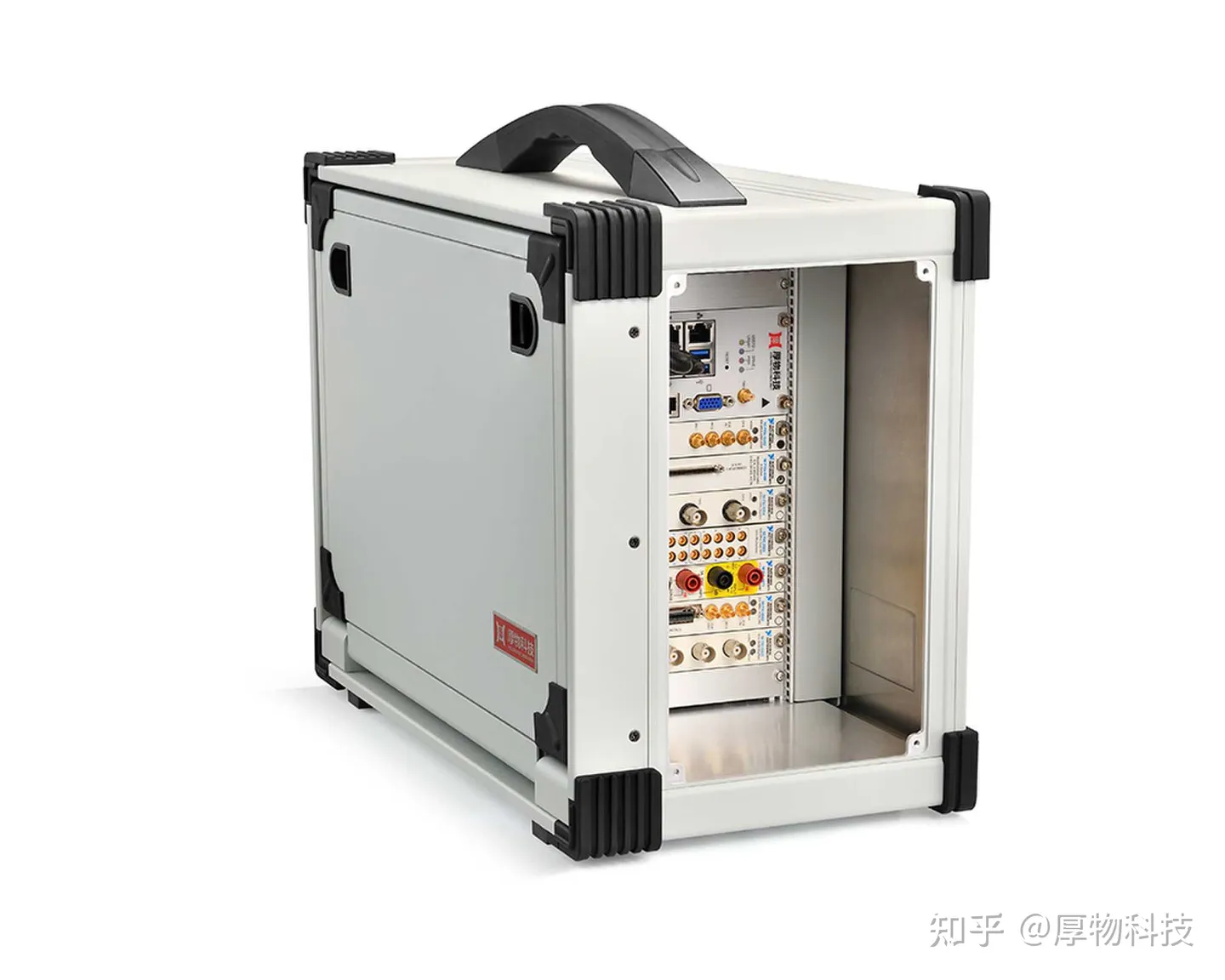
A portable test and control system requires professional, integrated mechanical design. It must incorporate not only essential functional modules but also a rugged full aluminum-magnesium alloy chassis, high-quality wide-temperature power supply, industrial-grade wide-temperature display, industrial resistive (or capacitive) touch screen, industrial silicone waterproof keyboard, touchpad, reinforced handles, silicone impact-resistant corner guards, signal conditioning and interface adapter modules, aerospace connector adapters, and silicone I/O protective strips. This integrated design minimizes the complexity of equipment disassembly, transportation, assembly, and setup, enabling users to quickly deploy and operate the system in diverse environments.
7. The Rise of Portable PXI Test and Control Systems
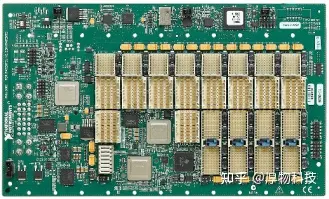
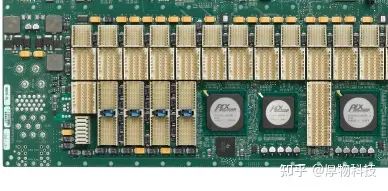
Complex field environments and specialized test applications demand a professional, stable, and portable test and control system. Crucially, such a system must support the dominant industry-standard buses: PXI and PXIe. For most complex applications, users require high integration, rugged construction, lightweight design, and the ability to house multiple PXI or PXIe modules for multi-channel, high-density configurations. This necessitates the development of stackable PXIe/PXI backplanes specifically designed for portable PXI systems (e.g., the industry’s first 3U 6-slot 13.3-inch PXIe laptop XM-1363 developed by Siseem Tech).
Due to limited internal space in portable platforms, dedicated power supplies compliant with PXI standards must be developed (e.g., the industry’s first 3U 18-slot 18.5-inch rugged portable PXIe/PXI platform XM-19183 by Siseem Tech).
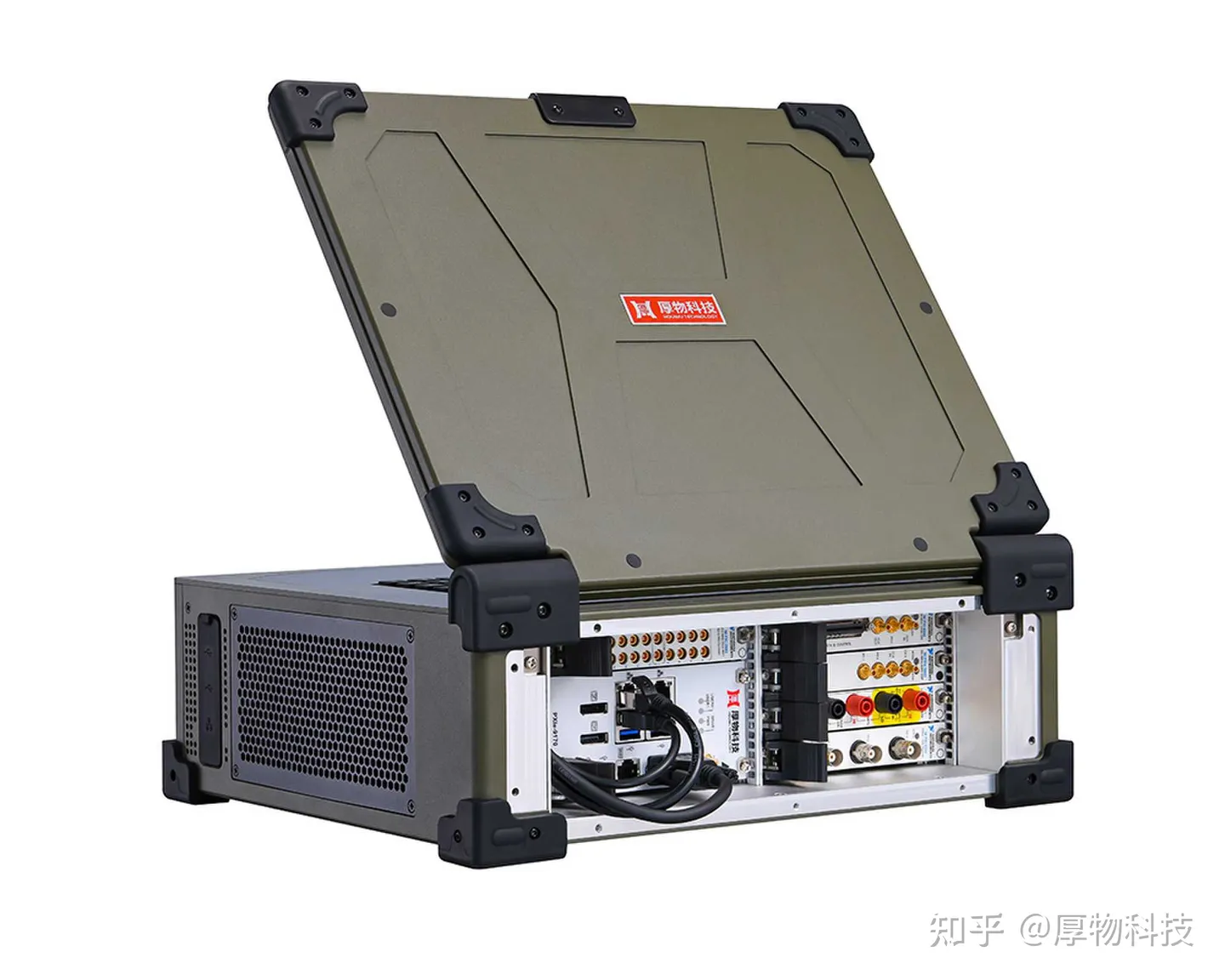
Some field test applications require the portable system to have built-in batteries, even supporting hot-swappable battery replacement to ensure uninterrupted long-duration operation. This requires an intelligent lithium battery management system to efficiently control the platform’s power (e.g., the HW-1363i 3U 6-slot 13.3-inch PXIe all-in-one system and the XM-1663 3U 6-slot 15.6-inch PXIe laptop, both developed by Siseem Tech).
8. Deep Customization Services for Portable PXI Systems
Siseem Tech offers comprehensive, professional deep customization services for portable PXI test and control systems. These include customizing device dimensions and specifications, ensuring operation under extreme temperature conditions, adapting to special environmental requirements, customizing appearance colors, laser engraving and silkscreen printing, customizing external aerospace connector interfaces for PXIe/PXI controllers and functional modules, providing custom aviation trolley cases, designing stackable PXIe/PXI backplanes, and even developing specialized PXIe/PXI controllers or functional modules. These deeply customized portable PXI systems are ideally suited for field applications in military defense, aerospace, weapons electronics, naval systems, and scientific research.