RK3568-based New Energy Storage Energy Management System (EMS)
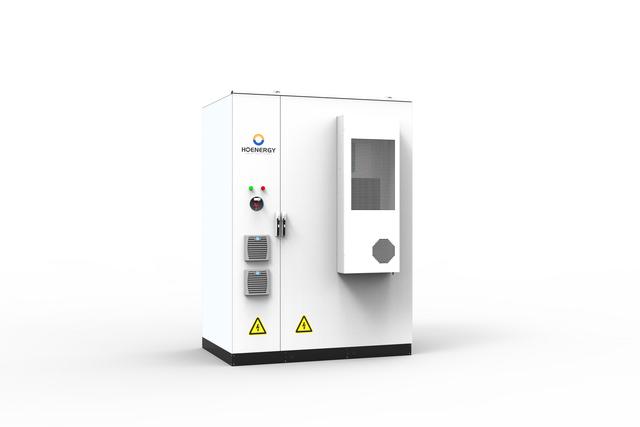
A New Energy Storage Energy Management System (EMS) is a system based on modern technology, designed to manage and optimize the energy usage of new energy storage devices.
The system ensures efficient energy utilization and sustainable development by monitoring, dispatching, and controlling new energy storage equipment.
This article will introduce the principles, functions, and future development of new energy storage energy management systems from various perspectives.
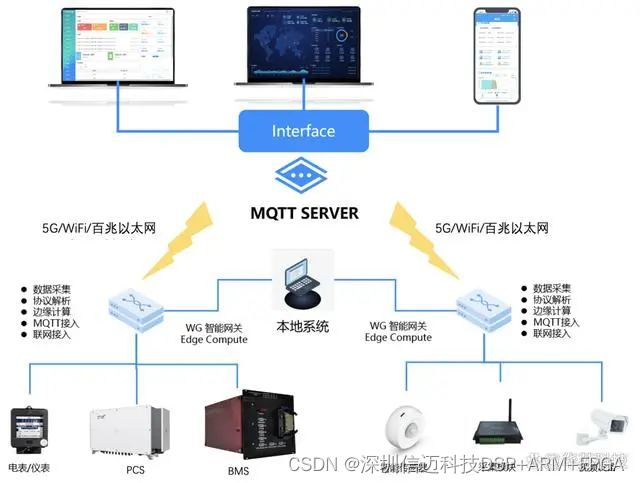
I. Principles of New Energy Storage Energy Management Systems New energy storage energy management systems are integrated systems based on technologies such as the Internet of Things (IoT), big data, and cloud computing.
By connecting various new energy storage devices and smart grids, it achieves real-time energy monitoring, analysis, and dispatch.
The system primarily consists of the following components:
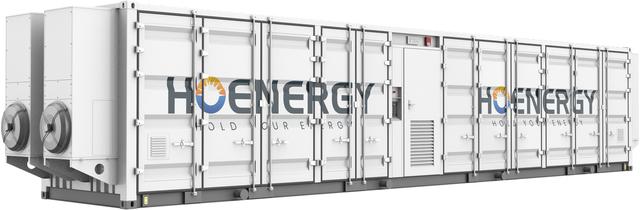
- Monitoring Module: Through sensors and monitoring equipment, it obtains real-time information on the energy generation, storage, and consumption of new energy storage devices, including parameters such as battery state of charge and temperature.
-
Control Module: Based on sensor data and specialized algorithms, the control system can intelligently dispatch energy storage devices, optimizing energy usage and storage, and improving system efficiency.
-
Communication Module: The system can communicate in real-time with smart grids and other new energy devices to achieve energy sharing and coordination.
II. Functions of New Energy Storage Energy Management Systems
-
Improve Energy Utilization Efficiency: By real-time monitoring and dispatching of energy storage devices, the system can maximize energy utilization efficiency and reduce energy waste.
-
Balance Energy Supply and Demand: New energy storage energy management systems can intelligently dispatch the operation of energy storage devices based on changes in grid load, balancing energy supply and demand, and reducing reliance on traditional power generation.
-
Enhance Grid Stability: The integration of new energy storage devices can increase grid flexibility and stability, playing a crucial role in responding to grid emergencies and load fluctuations.
-
Reduce Energy Costs: By improving energy utilization efficiency and optimizing system operation, new energy storage energy management systems can reduce energy costs and provide economic benefits.
III. Future Development of New Energy Storage Energy Management Systems The development prospects for new energy storage energy management systems are very broad.
With the continuous development and application of new energy technologies, and society's demand for sustainable development, new energy storage energy management systems will become more intelligent and efficient.
-
Intelligence: Future new energy storage energy management systems will be more intelligent, capable of automatic dispatch based on user demand and grid load, achieving refined management.
-
Multi-Energy Coordination: With the application of various new energy technologies, future new energy storage energy management systems will be able to achieve coordination and sharing among different energy sources, improving overall energy utilization efficiency.
-
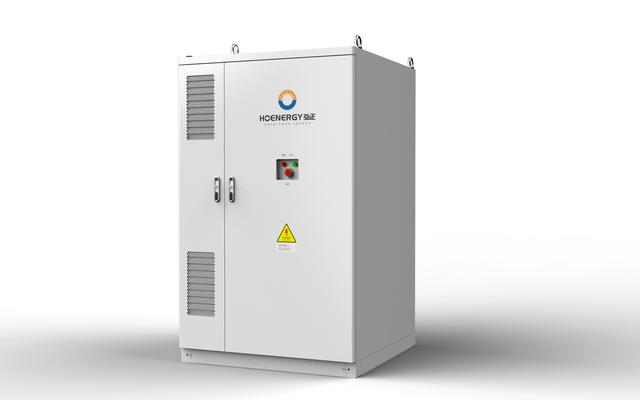
Safety and Reliability: Future new energy storage energy management systems will focus on system safety and reliability, employing advanced protection and monitoring technologies to ensure normal system operation.
-
Increased Storage Capacity: With the further development of new energy technologies, future new energy storage devices will have greater storage capacity, capable of meeting higher energy demands.
In summary, a new energy storage energy management system is a management system based on modern technology that achieves efficient energy utilization and sustainable development by monitoring, dispatching, and controlling new energy storage equipment.
This system plays important roles such as improving energy utilization efficiency, balancing energy supply and demand, enhancing grid stability, and reducing energy costs.
Future development directions will include greater intelligence, multi-energy coordination, enhanced safety and reliability, and increased storage capacity.
The development of new energy storage energy management systems will make significant contributions to promoting energy transition and ensuring energy security.