Energy Management System (EMS): The Intelligent Brain of the New Energy Storage Industry
Introduction: The Energy Management System (EMS) is a crucial intelligent technology in the new energy storage industry. Its role is similar to a brain, capable of monitoring, controlling, and optimizing the operation of energy systems, providing efficient and stable energy management for energy storage facilities. This article will introduce the basic concepts, functions, and applications of Energy Management Systems.
I. What is an Energy Management System (EMS)?
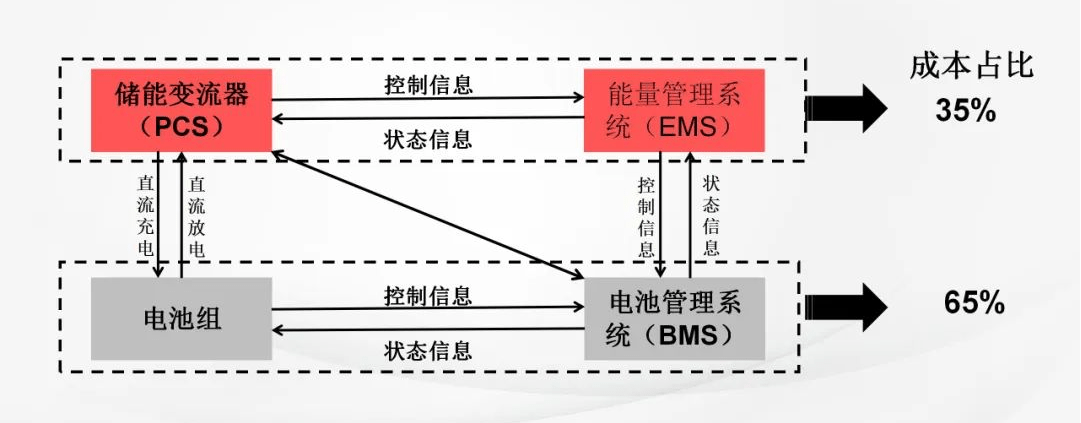
An Energy Management System (EMS) is an intelligent system integrating both hardware and software, used for monitoring, controlling, and optimizing energy flow and consumption within energy systems. Based on data acquisition, analysis, and decision support technologies, it can real-time monitor the operating status of energy equipment, energy consumption, and environmental conditions, thereby achieving efficient management and optimization of energy.
II. Functions of Energy Management Systems
-
Monitoring and Data Acquisition: The Energy Management System monitors the generation, storage, and consumption of energy in storage facilities in real-time through sensors and instrumentation. It can collect various data, including battery charge/discharge status, temperature, voltage, current, etc.
-
Data Analysis and Optimization: The Energy Management System relies on advanced data analysis techniques to process and analyze collected data, understanding the operating status and performance of the energy system. Through data analysis, it can identify potential problems in the energy system and provide optimization suggestions, such as adjusting charge/discharge strategies and optimizing energy utilization efficiency.
-
Energy Scheduling and Control: The Energy Management System can intelligently schedule and control energy based on real-time energy demands and system operating conditions. It can rationally arrange the charge/discharge operations of energy storage facilities based on factors such as demand forecasts, electricity prices, and grid load, to achieve efficient energy utilization and conservation.
-
Fault Detection and Safety Protection: The Energy Management System can promptly detect and alarm fault conditions in energy storage facilities, such as battery over-discharge, overcharge, or abnormal temperature, to ensure the safe operation of these facilities. At the same time, it can link with the distribution network system to achieve remote control and protection of energy storage facilities.
III. Applications of Energy Management Systems
Energy Management Systems are widely applied in the new energy storage industry, including fields such as solar energy storage, wind energy storage, and electric vehicle charging stations. It can help energy storage facilities achieve intelligent operation management, improve energy utilization efficiency, reduce operating costs, and also provide support for grid dispatch and energy markets.
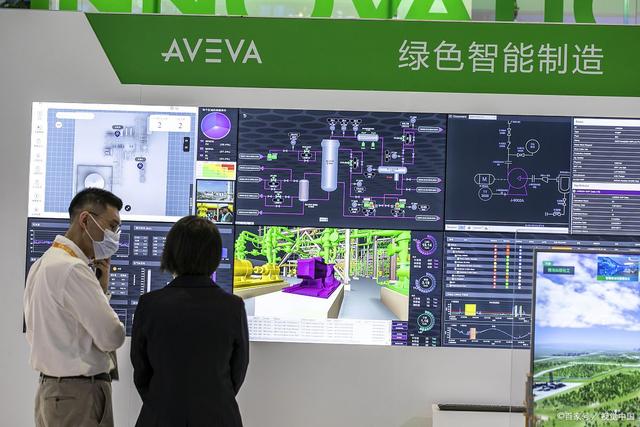
In solar energy storage systems, the Energy Management System can monitor the power generation of solar panels and rationally control battery charge/discharge operations based on demand and grid load conditions, to achieve energy supply-demand balance.
In the field of electric vehicle charging stations, the Energy Management System can monitor the power consumption of charging stations and intelligently schedule their operation based on user demand and grid load conditions, to improve charging efficiency and grid load balancing.
Conclusion: As a key technology in the new energy storage industry, the Energy Management System possesses important functions for monitoring, controlling, and optimizing energy systems. It combines intelligent technology with energy management, providing efficient and stable energy management for energy storage facilities and promoting the sustainable development of new energy. With continuous technological advancements, Energy Management Systems will play an even more crucial role in the future, driving the development of the new energy storage industry.
Xinmai provides RK3588/RK3568/RK3399/RK3288 Energy Management System solutions and mass production.
-
EMS Energy Storage Microgrid Energy Management System
-
Introduction to EMS Energy System The Energy Storage EMS is designed and developed for energy storage projects, addressing characteristics such as large monitoring data volumes and diverse operating modes. It achieves integrated acquisition, storage, monitoring, and control of energy storage systems based on a unified platform. It features reliability, simplicity, ease of use, and cost-effectiveness.
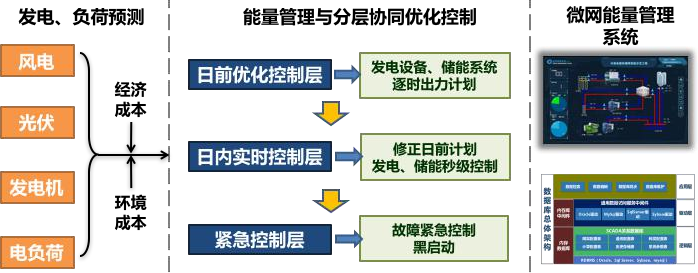
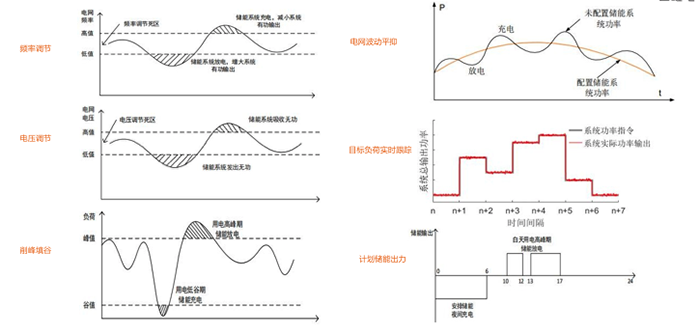
The application layer of the Energy Storage EMS, through interaction with the PCS (Power Conversion System), implements characteristic energy storage functions such as active power control, reactive power control, black start control, peak shaving, and frequency regulation, which can meet the functional requirements of most energy storage projects. It provides comprehensive and visual technical means for peak shaving and valley filling, and achieving economic utilization of energy storage.
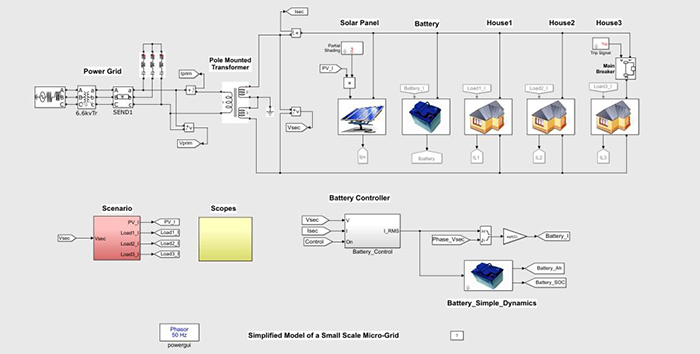
Microgrid System Modeling and Simulation Analysis
- Core Control Strategies of EMS Energy Storage Microgrid Energy Management System
Xinmai provides EMS/BMS/PCS energy management system control board solutions.