Domestic Virtual Instruments: Application of China-made Data Acquisition Virtual Instrument Boards with LabVIEW
As is well known, virtual instrument technology is a system where software defines the functions of general-purpose test hardware according to user requirements.
By applying reconfigurable hardware to a virtual instrument system, engineers can use software to develop algorithms and deploy them to an embedded chip, thereby extending the reconfigurability of virtual instrument software to hardware.
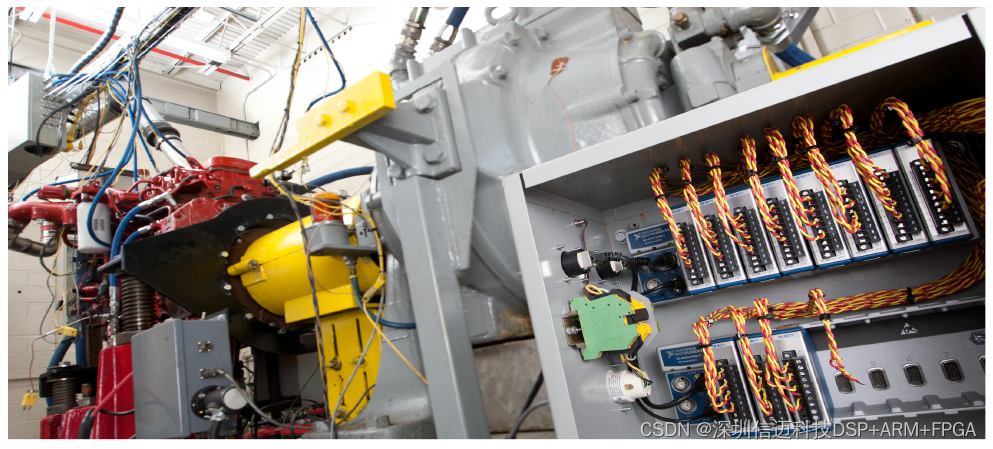
Previously, only hardware designers familiar with low-level programming languages like VHDL could leverage FPGA technology. However, engineers can now use LabVIEW FPGA (a graphical development environment developed by NI for Field-Programmable Gate Array chips) to develop custom control algorithms and download them to FPGA chips. LabVIEW FPGA is a graphical programming environment that allows users to easily configure the FPGA during the testing process. The system automatically converts the design into VHDL code and downloads it to the FPGA.
With LabVIEW FPGA, a design can be easily implemented without requiring any low-level programming language, thereby shortening product design time. According to Mr. Zhu, LabVIEW FPGA currently only supports Xilinx FPGAs, but it will be extended to all FPGAs in the future. Additionally, LabVIEW Embedded for DSP programming will be released later this year.
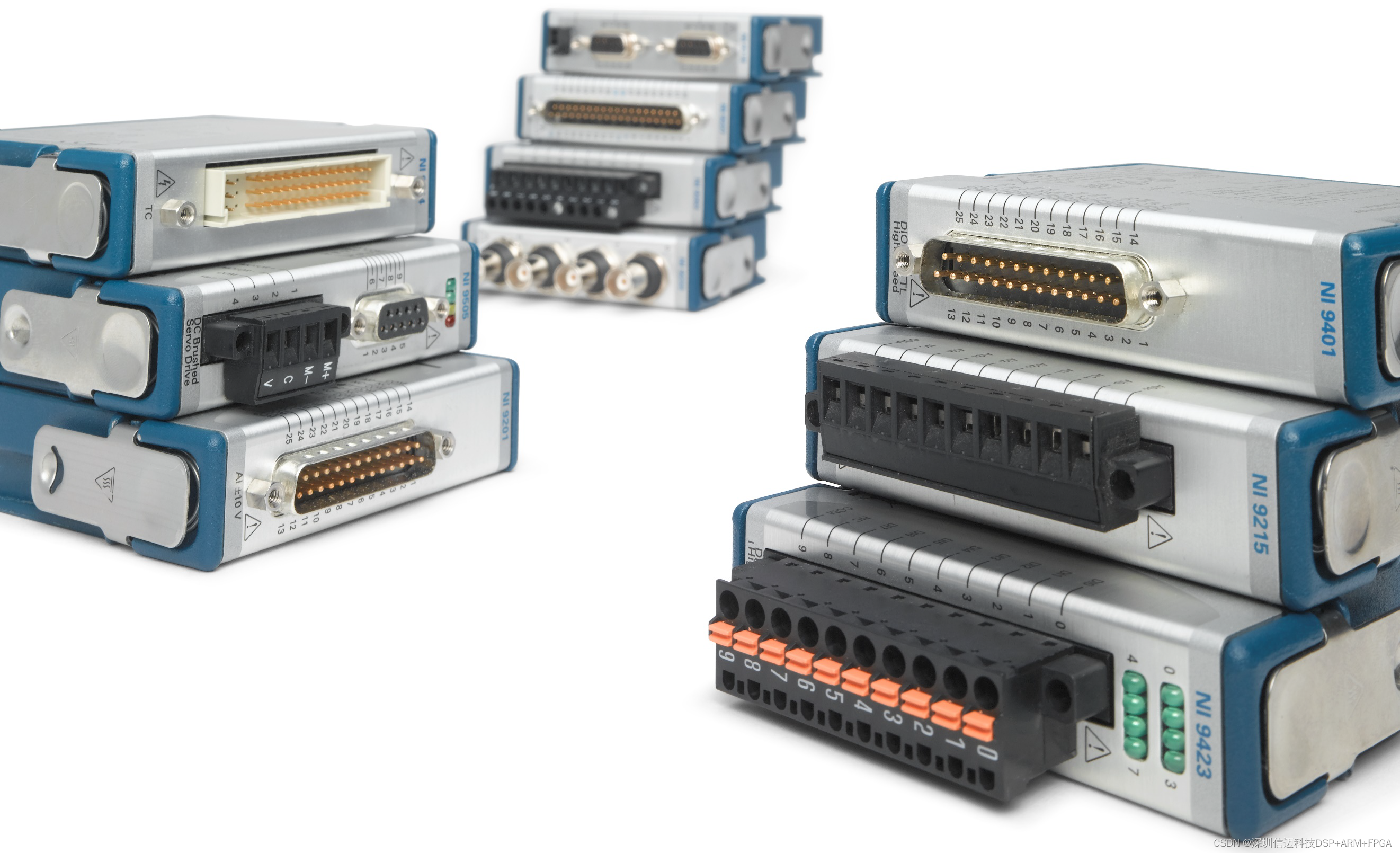
A typical example of FPGA application in virtual instrument design is digital filter design. By combining NI's LabVIEW Digital Filter Design Toolkit, engineers can design digital filters using software and download the code to the FPGA. If the results are not satisfactory, engineers can easily reprogram and redownload without altering any hardware design. The reconfigurability of FPGAs is also best demonstrated in another NI product platform.
Xinmai provides solutions for China-made virtual instruments and data acquisition cards.