OpenHarmony-based RK3568 Commercial Display Board Solution
Introduction
RK3568 Commercial Display Board Featuring OpenHarmony OS 3.1

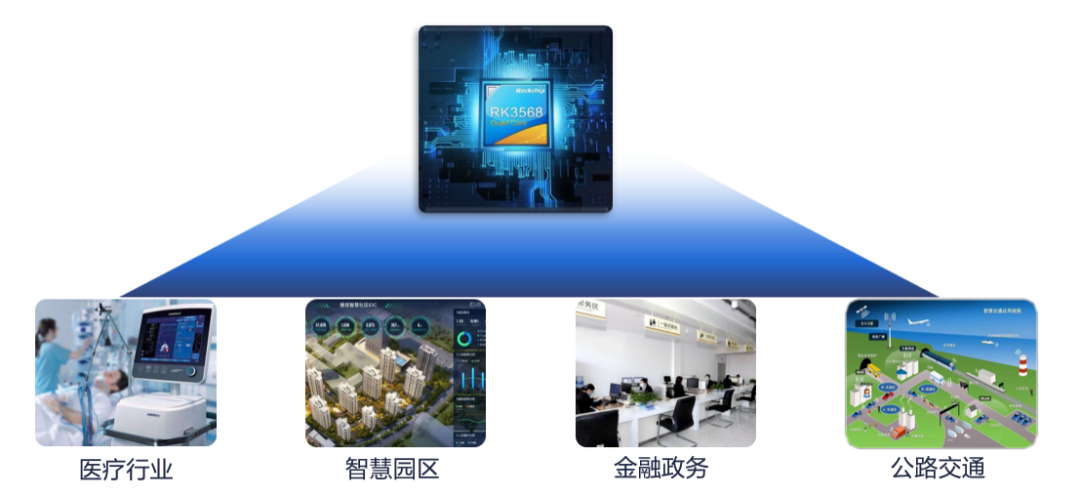
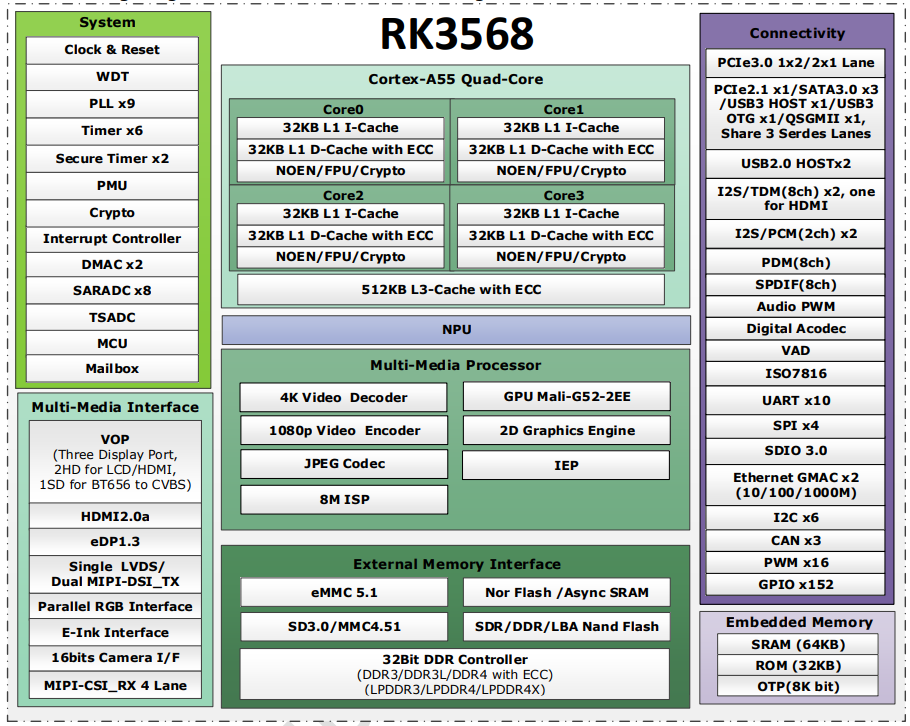
The XM-RK3568 chip integrates a quad-core Cortex-A55 CPU, Mali-G610 GPU, and 0.8 TOPS NPU capabilities. Due to its rich interfaces and the high cost-effectiveness of the board solution, RK3568 is widely used in commercial display products across various industries. Currently, RK3568 board solutions have been applied in commercial all-in-one machines in sectors such as medical, property/campus management, finance, and government.
The Xinmai XM-RK3568 commercial display board solution provides more hardware interfaces for connecting peripherals from various industries. It supports display interfaces such as VBY1, HDMI, and eDP, with a maximum 4K*2K video output. It also supports SATA data storage interfaces, and multiple CAN bus, I²C, GPIO, and UART serial port interfaces.
Currently, Xinmai has completed the development of a comprehensive HarmonyOS product solution for the commercial display industry on the RK3568 commercial display board, which is equipped with the OpenHarmony system. Based on the OpenHarmony operating system, Xinmai's R&D team has successfully integrated common peripherals such as amplifier speakers, microphones, Bluetooth and Wi-Fi, 4G communication, ID card readers, QR code recognition, bio-sensing radar, Ethernet, and temperature measurement modules, and has enabled the opening of various API interfaces.
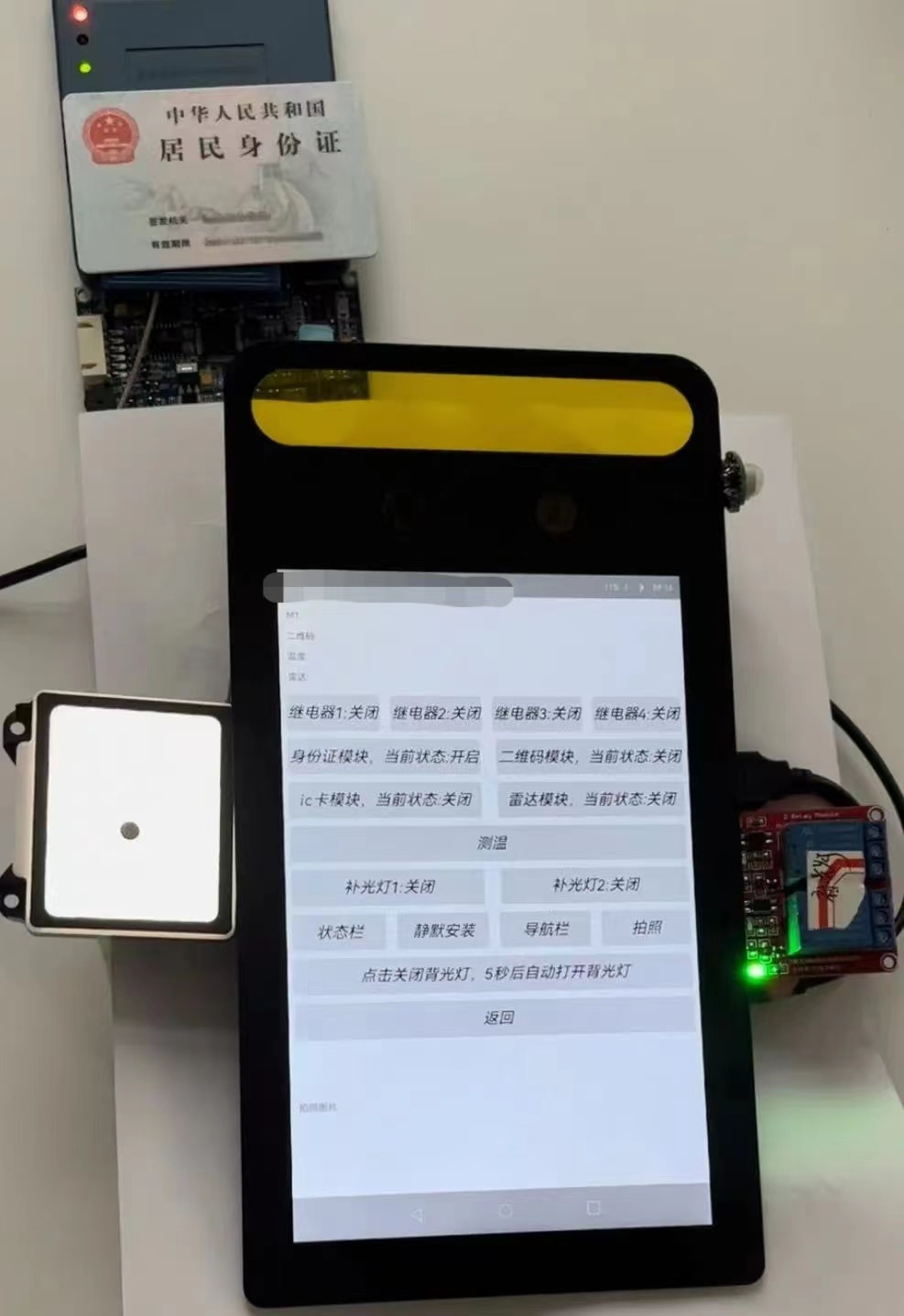
XM-RK3568 Commercial Display Board Connecting Industry Peripherals
The XM-RK3568 Commercial Display HarmonyOS product solution is also suitable for products commonly used in the financial, government, and campus/park industries, such as self-service kiosks, commercial display all-in-one machines, and electronic sentinels. Xinmai is committed to working closely with industry partners to deeply cultivate various industries, focusing on diverse product forms, creating OpenHarmony-based product solutions for industry terminals, and promoting the ecosystem development of domestic open-source operating systems.