RK3588 + AI Industrial Vision Inspection Design Solution
This article provides a detailed introduction to the form factor, dimensions, and technical specifications of the AI edge computing motherboard based on the Rockchip RK3588 chip, as well as detailed hardware interface design reference instructions. This enables customers to quickly apply the RK3588 edge computing motherboard to smart terminal devices in AI fields such as industrial internet, smart cities, smart security, smart transportation, and smart healthcare.
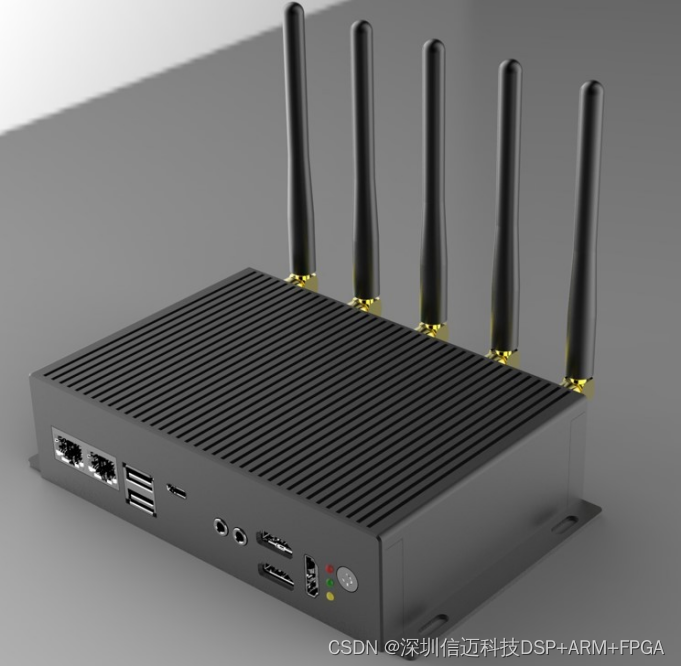
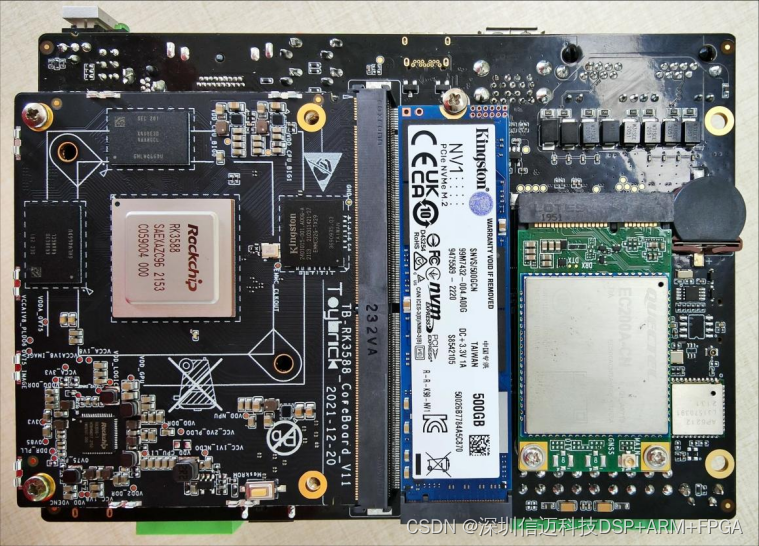
Product Overview Xinmai has launched an AI edge computing motherboard based on the Rockchip RK3588 architecture. The RK3588 is a new generation domestic flagship high-performance 64-bit octa-core processor, manufactured using an 8nm process, featuring high computing power, low power consumption, powerful multimedia capabilities, and rich data interfaces. It is equipped with an octa-core CPU (quad-core A76 + quad-core A55) and an ARM G610MP4 GPU, with a built-in NPU offering 6 TOPs of computing power. It supports 8K@60fps video decoding and 8K@30fps encoding, offers a wealth of peripheral interfaces, and boasts excellent expandability. The RK3588 integrates an embedded Neural Network Processor (NPU) with computing power up to 6.0 TOPs, supporting PCI-e/USB3.0/RGMII, and can perform video structured recognition and analysis for 32 channels of 1080P network cameras.
The edge computing motherboard based on the Rockchip RK3588 chip boasts powerful computing capabilities, rich input/output interfaces, and strong expandability. The PCB is designed with a 10-layer immersion gold process, providing excellent electrical characteristics and anti-interference capabilities, ensuring stable and reliable operation that meets industrial-grade standards. It can be widely used in AI terminal fields such as smart cities, smart security, smart healthcare, and industrial internet.

Pedestrian Detection
Efficient detection and tracking based on pedestrian coordinates, supporting simultaneous inference on multiple video streams. It achieves target tracking for high, low, and ultra-low frame rates, and can adaptively adjust tracking parameters to balance processing speed and algorithm accuracy, providing support for pedestrian attribute analysis and re-identification.
Pedestrian Re-identification
Based on AI algorithms, pedestrian detection extracts features for structured storage. When a search is required, the system extracts the target person's features, matches them with image features stored in the database, and identifies the target's identity.
Customer Flow Statistics
Customer flow statistics combine AI algorithms for face/head detection, helping stores build customer profiles based on dimensions such as gender, age, expression, new/returning customers, and dwell time. This allows for deep mining of user needs to inform store layout adjustments.

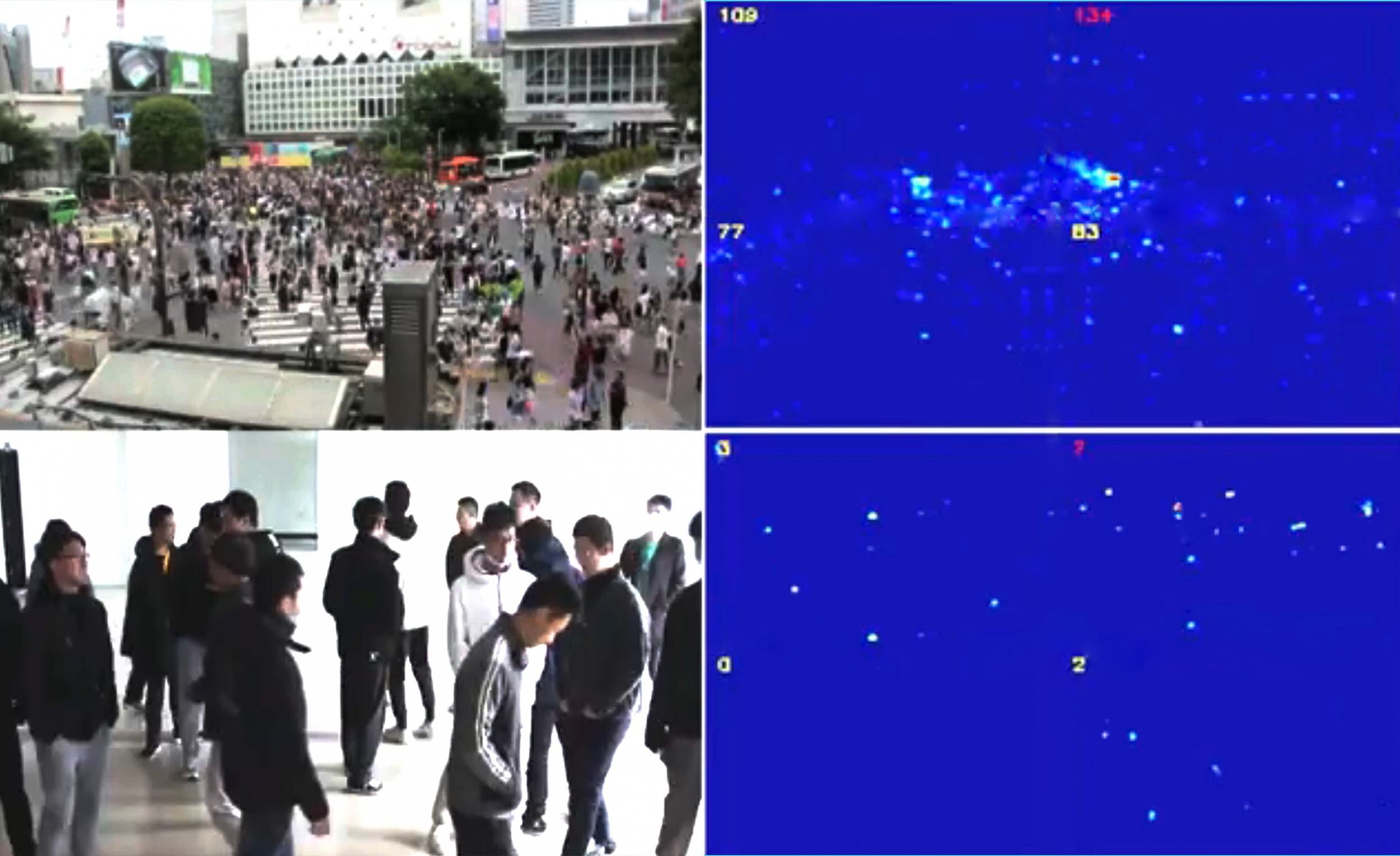
Crowd Density Analysis
Utilizing AI algorithms for facial recognition and pedestrian re-identification to transform "people" into "data". It supports real-time display of crowd trend changes at different times and image video stream inference for crowd gathering areas. Applicable scenarios include: train stations, office lobbies, pedestrian streets, etc.
Fall Detection
Based on behavior and posture recognition technology, it automatically identifies falls in public places and supports fall detection in multi-person scenarios and various backgrounds. Applicable scenarios include fall warnings for the elderly and children in public places.

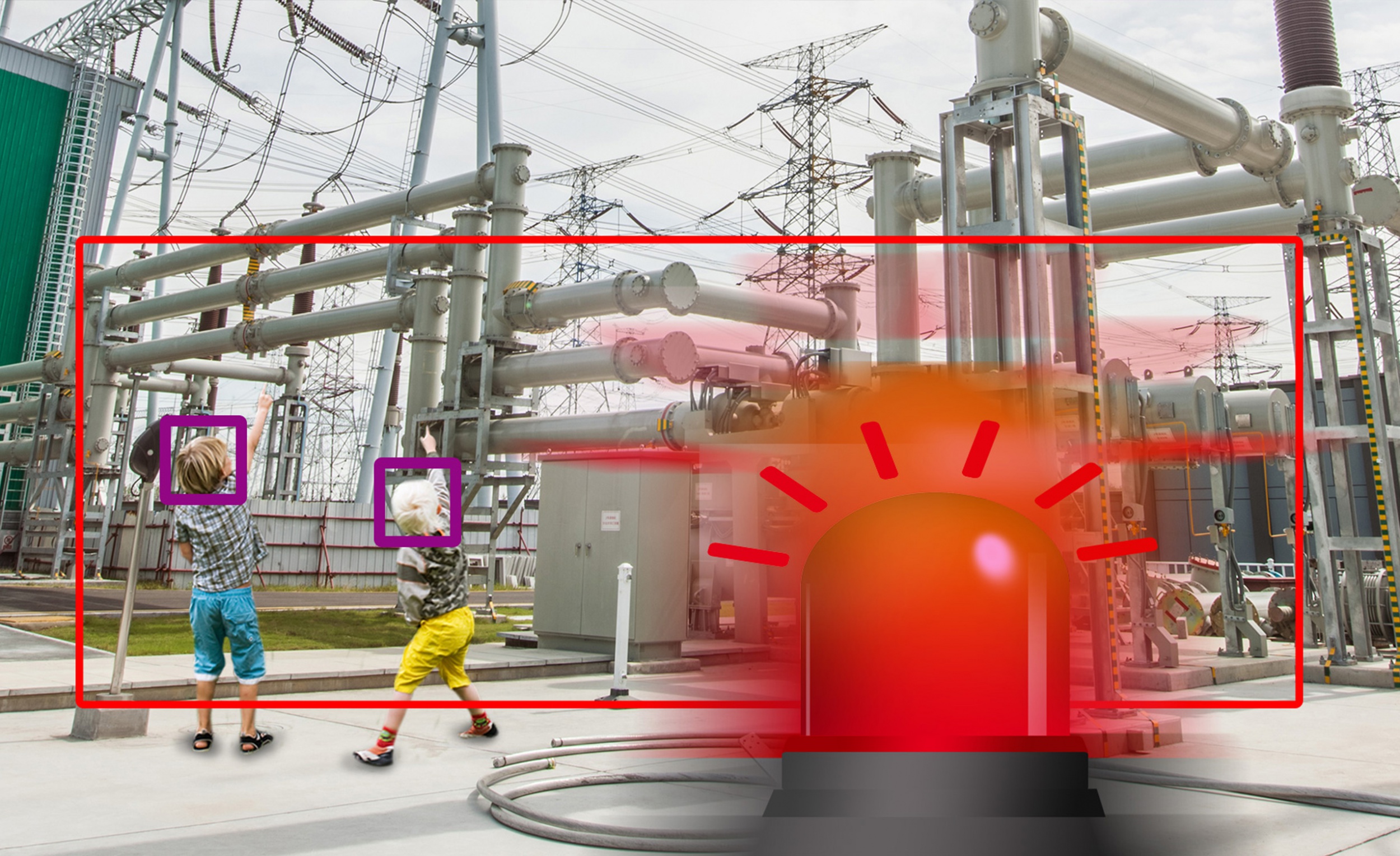
Perimeter Detection
Based on AI human body recognition technology, it performs precise human detection, analysis, and recognition, achieving personnel intrusion detection and early warning for dangerous/protected areas. Customizable perimeter drawing is supported, along with multi-person scenario warnings.
Employee Absence Detection
Customizable area definition for detecting heads within the specified range and counting the number of heads within the perimeter. This determines if an employee is absent from their post based on whether there are qualified heads within the perimeter.
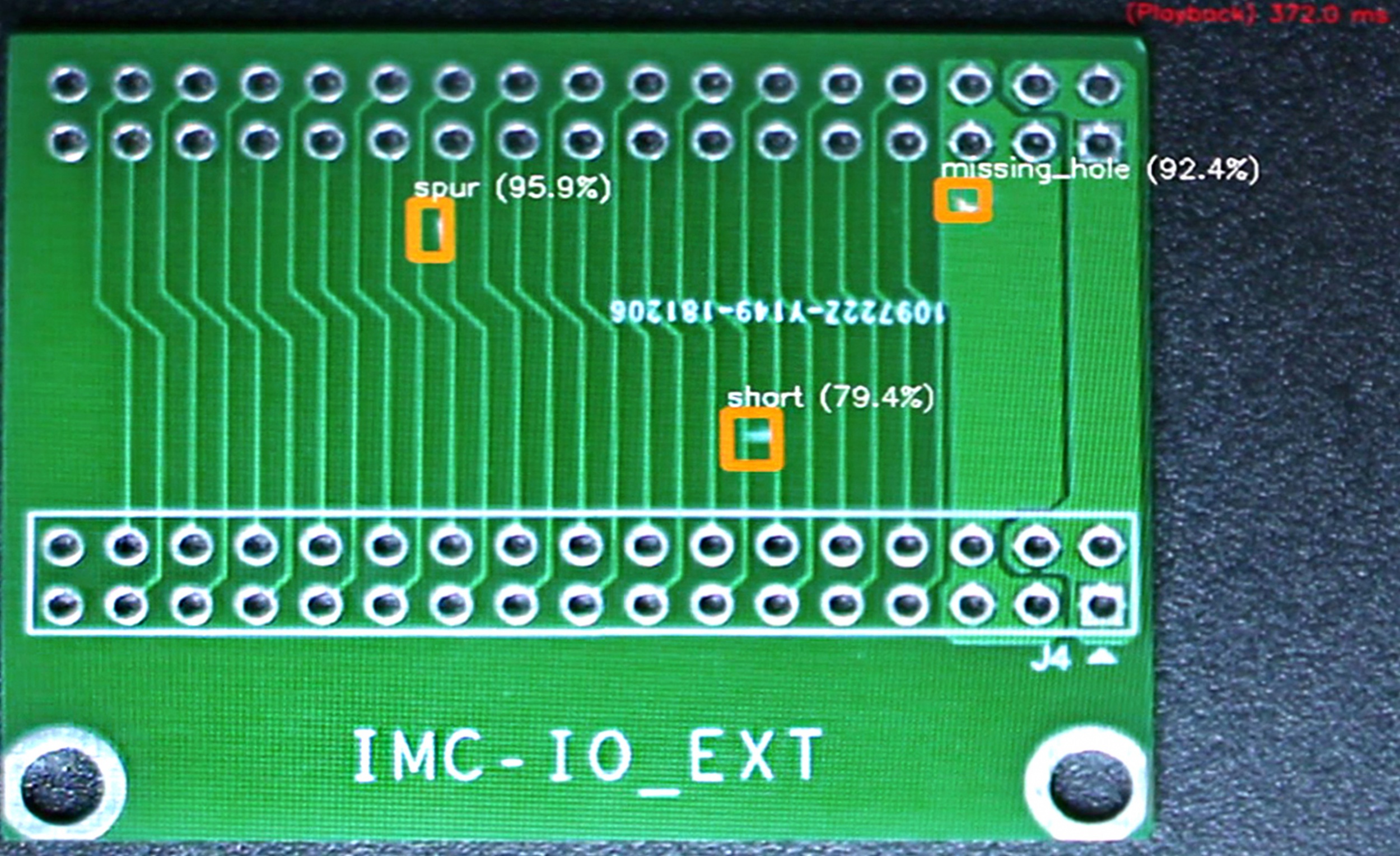
PCB Defect Detection
Defect detection during the industrial PCB manufacturing process. Identified defects include: short circuits, open circuits, mouse bites, copper residue, missing holes, and burrs. Developed on the OpenVINO platform. The same algorithm can also be used for OCR recognition in office scenarios.
OCR Detection
Yingma Technology AI algorithm supports printed text, ID cards, and other document recognition, including Chinese, English, and numbers.