RK3588 + AI Video Structuring Algorithm Design Solution
This article provides a detailed introduction to the form factor, dimensions, and technical specifications of the AI edge computing motherboard based on the Rockchip RK3588 chip, as well as detailed hardware interface design reference instructions. This enables customers to quickly apply the RK3588 edge computing motherboard in intelligent terminal devices across AI fields such as industrial internet, smart cities, smart security, smart transportation, and smart healthcare.
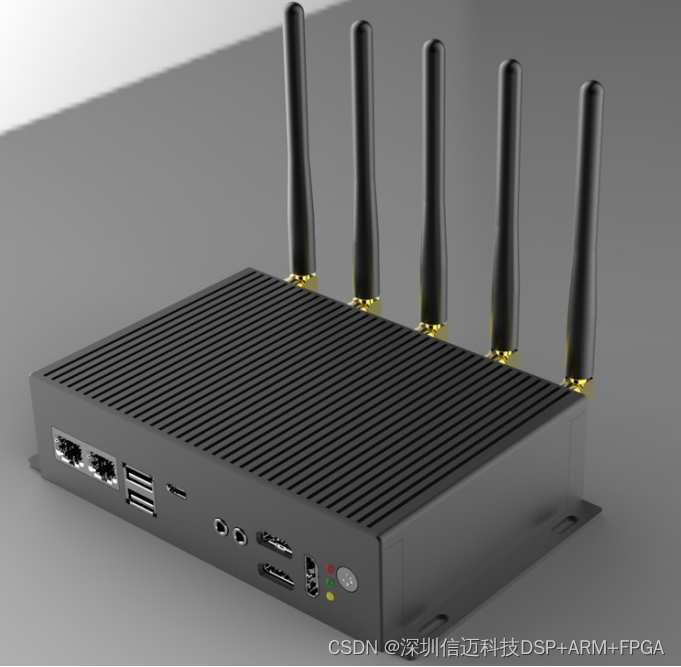
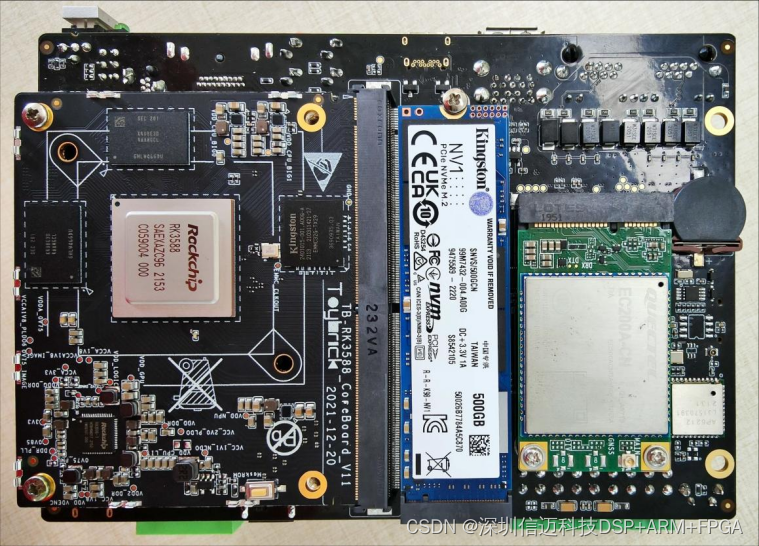
Product Overview Xinmai introduces an AI edge computing motherboard based on the Rockchip RK3588 architecture. The RK3588 is a new generation domestic flagship high-performance 64-bit octa-core processor, manufactured with an 8nm process, featuring high computing power, low power consumption, powerful multimedia capabilities, and rich data interfaces. It is equipped with an octa-core CPU (quad-core A76 + quad-core A55) and an ARM G610MP4 GPU, with a built-in NPU providing 6 TOPs of computing power. It supports 8K@60fps video decoding and an 8K@30fps encoder, boasts very rich peripheral interfaces, and offers excellent expandability. The RK3588 has a built-in embedded Neural Processing Unit (NPU) with computing power up to 6.0 TOPs, supporting PCI-e/USB3.0/RGMII, and can perform video structuring recognition and analysis for 32 channels of 1080P network cameras.
The edge computing motherboard based on the Rockchip RK3588 chip boasts powerful computing capabilities, with rich input/output interfaces and strong expandability. The PCB is designed with a 10-layer immersion gold process, offering excellent electrical characteristics and anti-interference properties, ensuring stable and reliable operation that meets industrial-grade standards. It can be widely applied in AI terminal fields such as smart cities, smart security, smart healthcare, and industrial internet.
Face and Keypoint Detection
Quickly detects faces and marks face coordinates, extracts keypoints of facial features including cheeks, eyebrows, eyes, mouth, and nose for face alignment, accurately identifies various attribute information, providing reliable support for face recognition. It can run on various edge and terminal platforms, achieving efficient, accurate, and stable face detection capabilities.
Face Recognition
Based on an AI algorithm framework, it supports face recognition in various complex scenarios (indoor, outdoor, strong light, low light) by extracting and analyzing facial features to accurately complete face recognition. By performing inference on multiple video streams, it reduces extraction difficulty and unleashes greater computing performance. Application scenarios cover retail payment, smart security, access control and attendance, identity verification, etc.
Face Attribute Analysis
Analyzes facial features and related attributes, such as gender, age, and emotion, calculated by AI algorithms.

Pedestrian Attribute Analysis
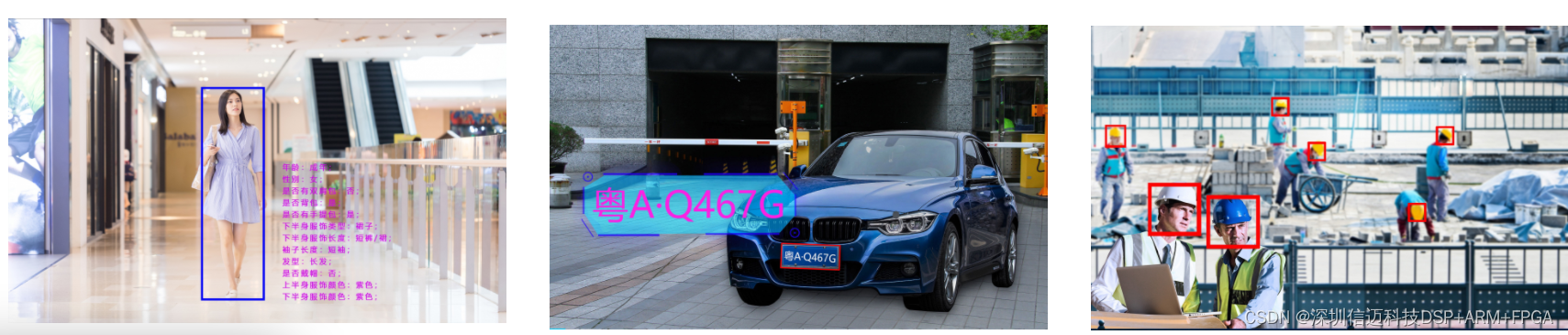
Achieves high-precision recognition of pedestrian attribute information and actions through AI-based pedestrian detection, including gender, age, clothing category, clothing color, accessories, and behavioral actions, providing rich structured information that can be used for efficient video material management and precise marketing.
License Plate/Vehicle Model Detection and Recognition
Using AI algorithms, it detects the position of the main vehicle, performs license plate (4 vertices of the license plate frame) / vehicle brand and model recognition (primarily for cars). It also supports multi-channel video stream inference, suitable for scenarios such as campuses, traffic management, and parking lots.
Hard Hat and Other Object Detection
Detects hard hats and faces based on pedestrian attribute analysis algorithms, determines whether a hard hat is worn through video structuring, and supports training for recognizing red, white, yellow, blue, and orange hard hats. Additionally, this algorithm can be used for detecting and recognizing various objects, with an accuracy rate exceeding 95%, effectively enhancing safety supervision and management.
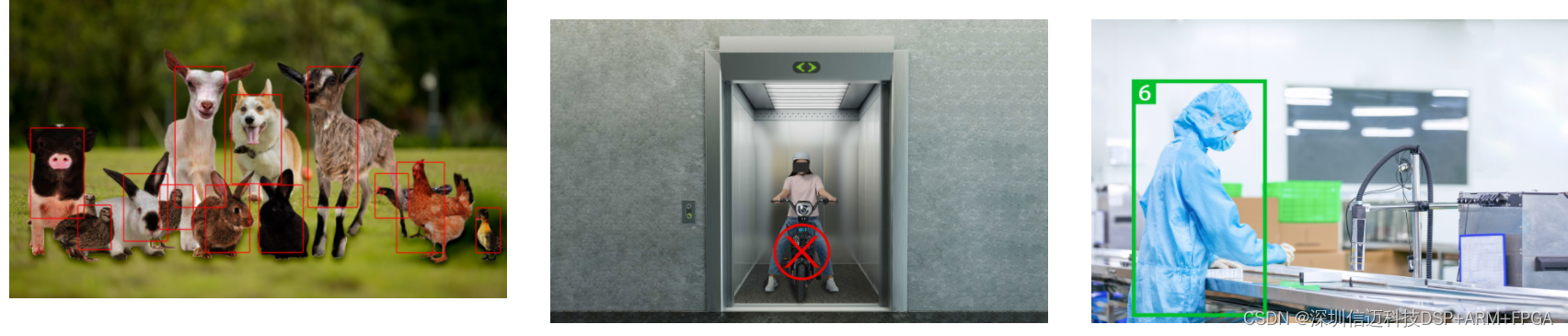
Pet Recognition
AI algorithms can recognize multiple pet species, supporting multi-breed recognition within a single species. Application scenarios include pet cameras, photo identification, early childhood education and popular science, image content analysis, and more.
Elevator Electric Bicycle Recognition and Warning
Detects and recognizes various types of electric bicycles. When an electric bicycle is detected entering an elevator, the camera can directly issue an alarm (sound/flash) and automatically upload alarm information, on-site images, video, and other data to the cloud platform. Managers can promptly receive information, view the on-site situation, and take timely action.
Work Uniform Recognition
Detects and recognizes various types of work uniforms. In offices or construction sites, cameras can directly monitor whether personnel are wearing specified clothing. If personnel not wearing specified work uniforms are detected, alarm information and on-site images are automatically transmitted to the cloud platform. Managers can receive information, view the on-site situation, and take timely action.
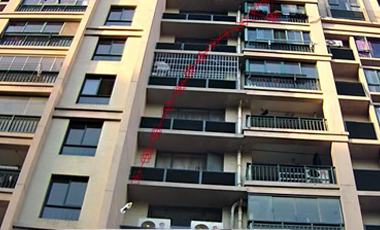
High-Altitude Object Tossing Detection
AI algorithms can continuously monitor high-altitude object tossing incidents 24 hours a day. It can effectively filter out interference sources such as trees, birds, clouds, wind, rain/snow weather, and vibrations. The algorithm accuracy is greater than 90%.
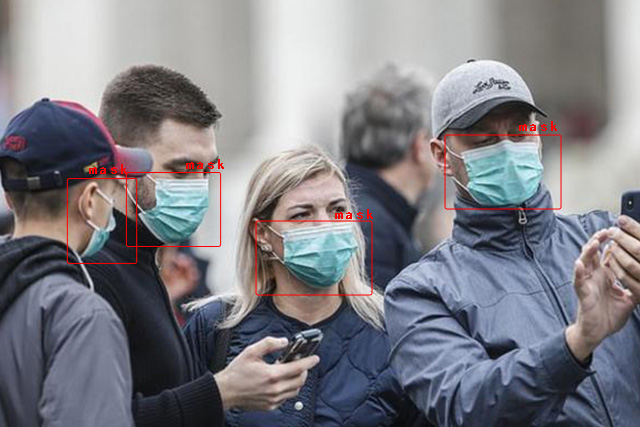
Mask/Head Cover Recognition
Entry and exit from this area require specified head covers, masks, and work shoes. If non-compliant, the system automatically takes pictures and generates evidence files. The algorithm accuracy is greater than 90%.