Design of a Sanitation Vehicle DVR Solution Based on TI AM5728
Sanitation Vehicle DVR Solution
In July 2019, Shanghai officially launched its waste sorting initiative, creating a ripple effect that brought waste classification into the national spotlight. This marked the beginning of China's nationwide promotion of waste classification systems.
According to the joint notice issued by the Ministry of Housing and Urban-Rural Development, the National Development and Reform Commission, the Ministry of Ecology and Environment, and seven other departments—“Notice on Fully Launching Waste Classification Work in All Prefecture-Level and Higher Cities”—waste classification efforts have been fully initiated since this year in all prefecture-level and higher cities across China. By 2025, these cities are expected to have basically established complete waste classification and treatment systems.
The benefits of proper waste disposal are self-evident. Successful implementation requires strong government-led education and public awareness campaigns to instill the importance of waste sorting into public consciousness. Only when every individual properly sorts waste at the source can downstream processing become more efficient.

Within the entire waste management system, waste投放 (disposal) is a critical step. However, equally important are the subsequent stages: classified collection, transportation, and treatment.
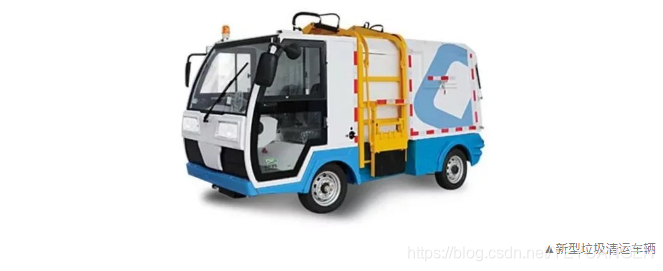
For cities—especially densely populated large metropolitan areas—the volume of daily waste generation is enormous, while available land area is limited. Thus, waste collection and transportation have become increasingly crucial. Garbage collection trucks are typically used for municipal sanitation tasks, transporting household waste, municipal solid waste, and various types of refuse. These vehicles are indispensable to urban life.
With the growing emphasis on waste classification, the processes of waste collection and transportation demand greater precision. Daily collection volumes must be accurately recorded, including data such as time of transport, waste origin (organization and location), and the responsible collection entity.
This necessitates enhanced requirements for vehicle monitoring, remote positioning, and standardized operational procedures.
Garbage collection vehicles now require intelligent, networked capabilities with remote monitoring functionality.
A municipal sanitation monitoring system generally consists of a remote monitoring center for sanitation vehicles and onboard DVR monitoring devices.
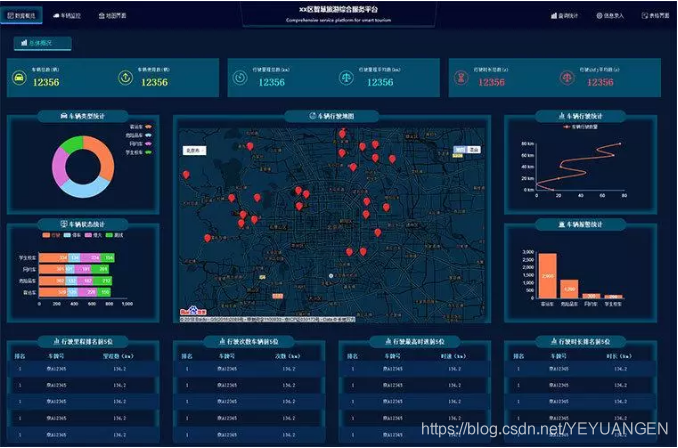
The remote monitoring center serves as a centralized hub for data control, vehicle dispatching, and fleet management. Vehicles transmit real-time operational data to the center via network connections. This data is displayed on an electronic map within the vehicle management platform, showing the exact location of each vehicle in real time. The center can also define geofences to set maximum operational boundaries for vehicles. It monitors vehicle status remotely and automatically issues alerts if a vehicle disables its monitoring system or leaves a designated geofence area, prompting managers to take immediate action.
Onboard DVR devices use 4G networks and dual-mode BeiDou/GPS satellite positioning to synchronously transmit real-time video, audio, and vehicle operational status data to the remote monitoring platform. Equipped with a real-time two-way voice communication system, these devices allow managers to remotely view, hear, and monitor vehicle conditions in real time.
Through platform integration, the system enables macro-level vehicle deployment planning, precise positioning, optimized route planning for waste collection, traffic congestion avoidance, and more efficient overall operation of waste collection and transportation processes.
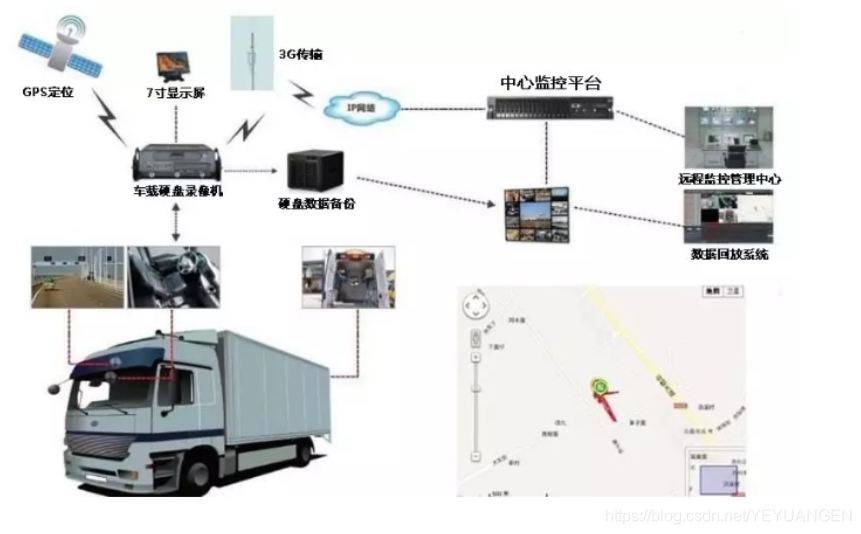
Onboard DVR devices feature local video recording and storage, retaining surveillance footage for a defined period. In the event of incidents or anomalies, authorized personnel can easily review recorded footage either directly from the onboard device or remotely via the monitoring center.
Typically, onboard DVR devices are built around embedded processors and operating systems, integrating technologies such as audio/video compression/decompression, BeiDou/GPS global positioning, 4G/5G wireless communication, and GIS geographic information systems. These devices operate continuously 24/7 and connect to multiple cameras, in-vehicle displays, IC cards, and various sensors to monitor vehicle operations. Their functions include monitoring in-cabin conditions, tracking driving routes, and recording arrival locations and other vehicle-related data.
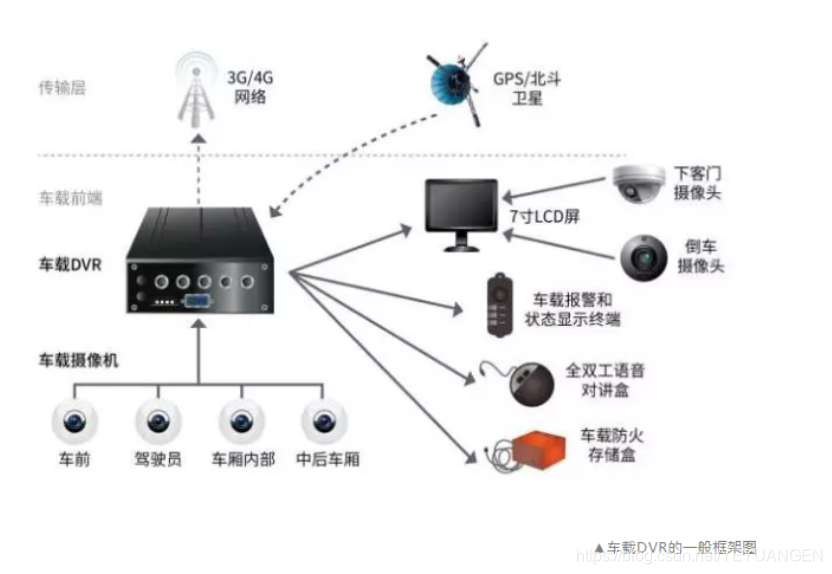
The intelligence and interconnectivity of terminal devices rely heavily on advanced smart hardware.
This brings us to a core component in intelligent systems: the Xinmingxin AM5728 core board, which provides the essential hardware and software foundation for the applications described above.
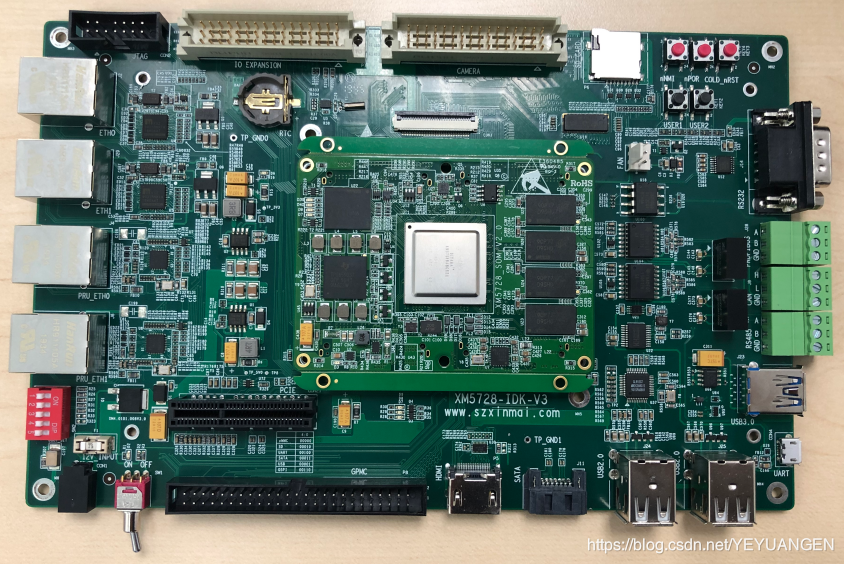
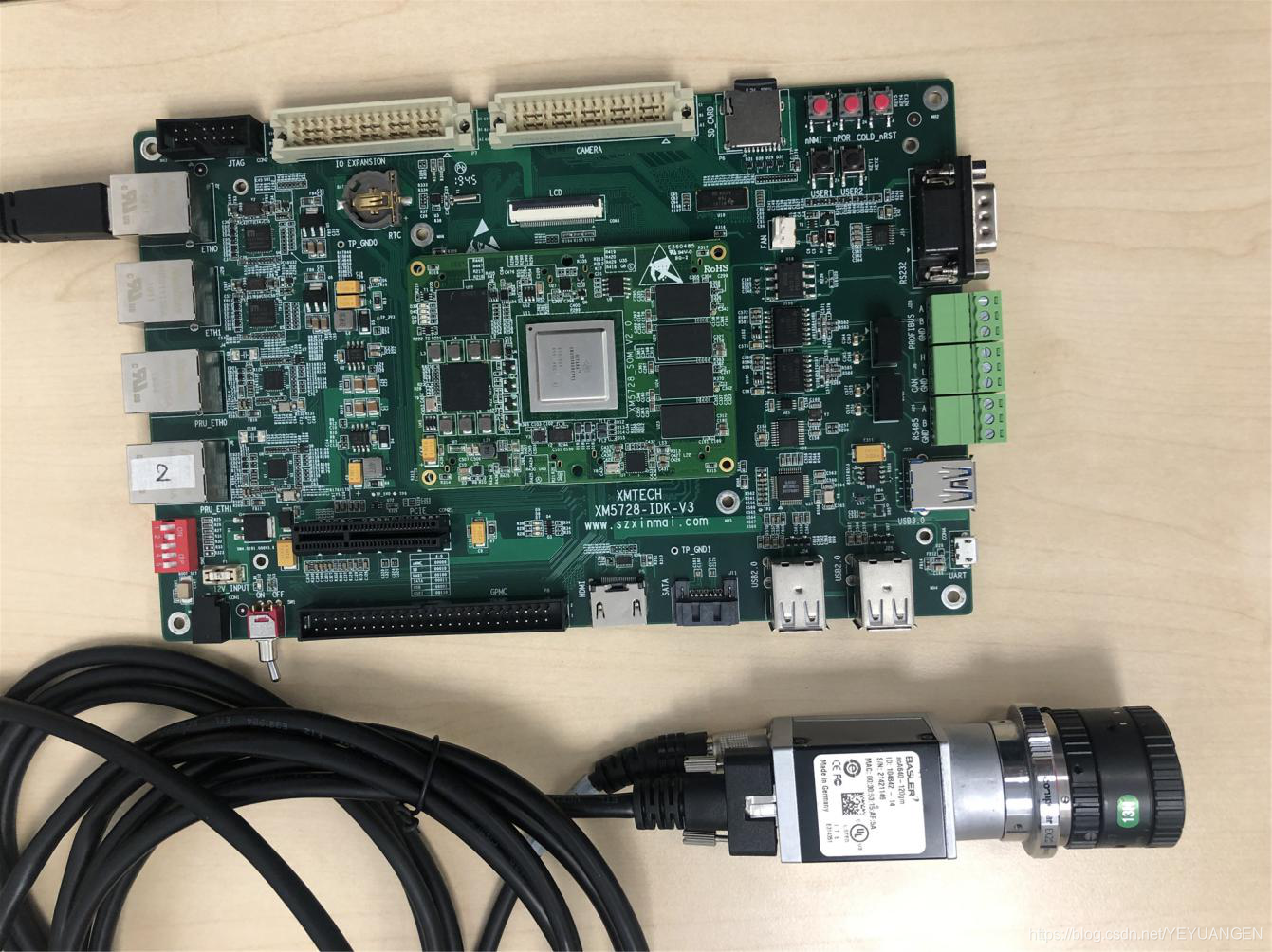
The solution is developed and customized based on the Xinmingxin XM5728-IDK-V3 module.
Key Features:
- Based on the TI AM5728 floating-point dual DSP C66x + dual ARM Cortex-A15 processor, designed for industrial control and high-performance audio/video processing;
- Heterogeneous multi-core CPU integrating dual Cortex-A15, dual C66x floating-point DSPs, dual PRU-ICSS, dual Cortex-M4 IPU, and dual GPU units, supporting multi-core development with OpenCL, OpenMP, and SysLink IPC;
- Powerful video encoding/decoding capabilities: supports 1×1080P60, 2×720P60, or 4×720P30 hardware video encoding/decoding, and H.265 software decoding;
- Supports up to 1×1080P60 full HD video input and dual outputs via 1×LCD and 1×HDMI 1.4a;
- Dual PRU-ICSS industrial real-time control subsystem supporting industrial protocols such as EtherCAT, EtherNet/IP, and PROFIBUS;
- High-performance GPU with dual-core SGX544 3D accelerator and GC320 2D graphics engine, supporting OpenGL ES 2.0;
- Rich peripheral interfaces: integrated dual Gigabit Ethernet, PCIe, GPMC, USB 2.0, UART, SPI, QSPI, SATA 2.0, I2C, DCAN, and other industrial control buses and interfaces, with support for high-speed USB 3.0;
- Development board exposes V-PORT video interface for flexible connection to video input modules;
- Compact size: only 86.5mm × 60.5mm;
- Industrial-grade precision B2B connector with 0.5mm pitch, stable, easy to plug/unplug, reverse-insertion protected; high-speed connectors used for critical data interfaces to ensure signal integrity.