OMAPL138 + SPARTAN6 DSP+ARM+FPGA Core Board Solution
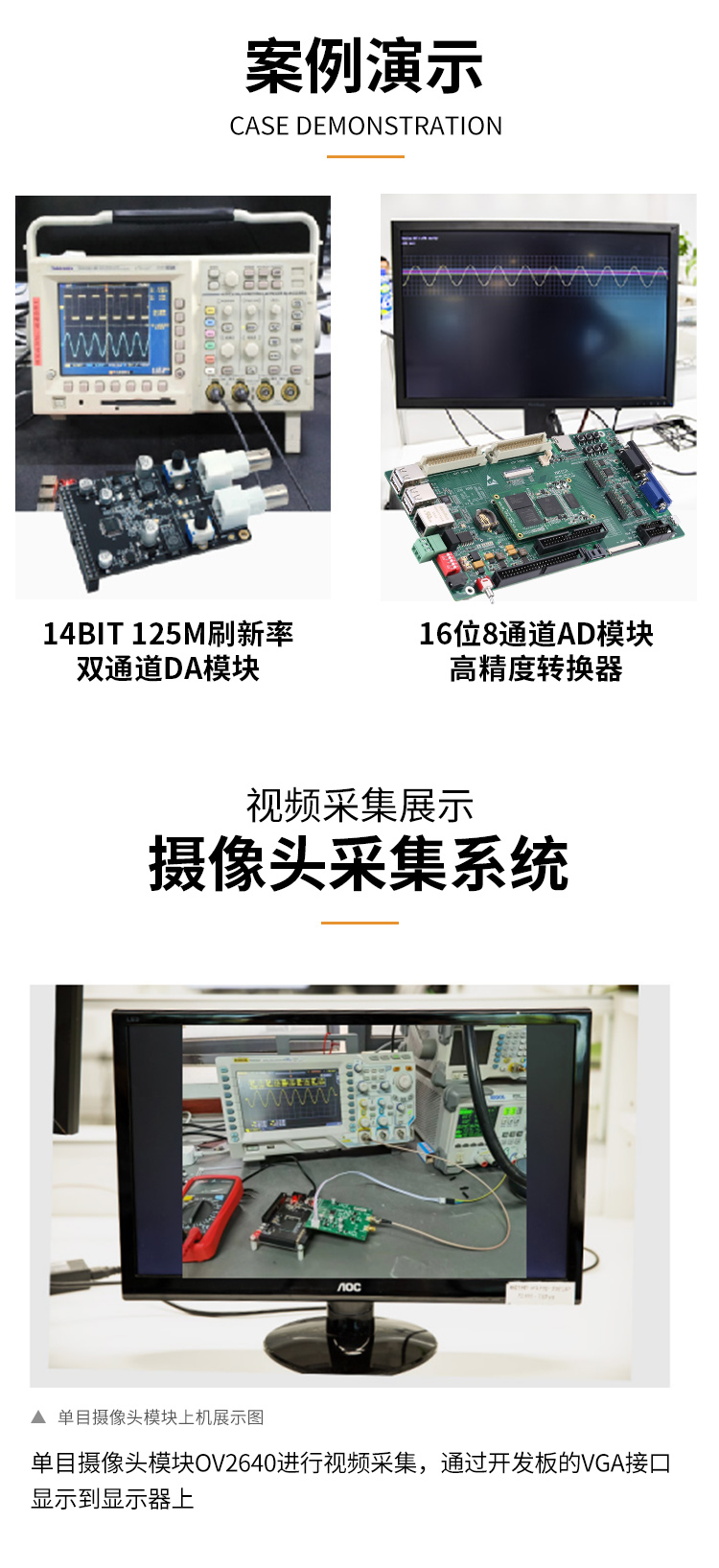
The OMAPL138 + SPARTAN6 DSP+ARM+FPGA core board is suitable for UAV autonomous obstacle avoidance systems integrating millimeter-wave radar and monocular vision, heterogeneous multi-core motion controllers, inertial attitude measurement systems, embedded spraying robots, power meter control systems, bridge vibration monitoring, sound monitoring, and other applications.
UPP communication is used between the FPGA and DSP.
1 Evaluation Board Introduction
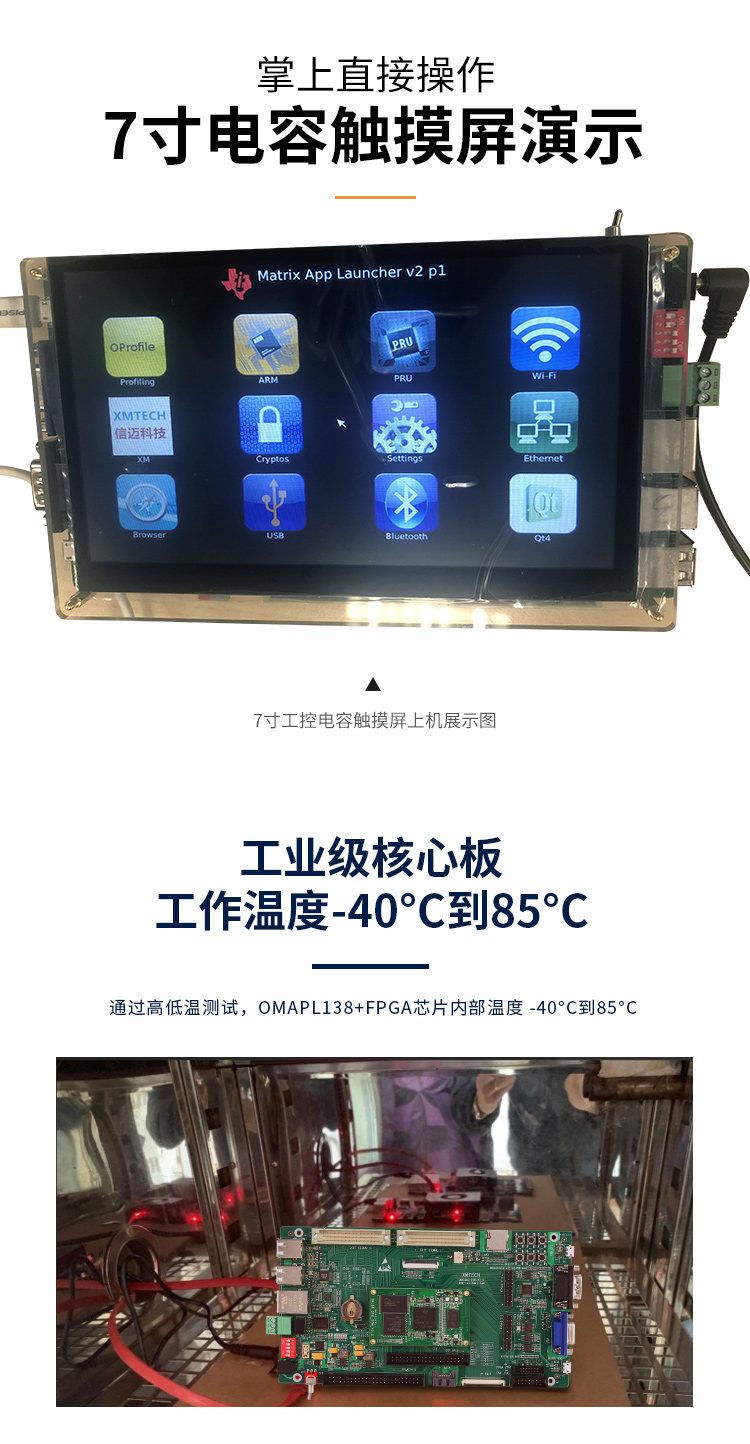
Based on TI OMAP-L138 (fixed-point/floating-point DSP C674x + ARM9) + Xilinx Spartan-6 FPGA processor;
OMAP-L138 and FPGA are connected via uPP, EMIFA, and I2C buses, with communication speeds up to 228 MByte/s;
OMAP-L138 main frequency is 456MHz, with computing power up to 3648 MIPS and 2746 MFLOPS;
FPGA is compatible with Xilinx Spartan-6 XC6SLX9/16/25/45, offering strong platform upgrade capabilities;
The DSP+ARM+FPGA triple-core board measures 66mm*38.6mm and uses industrial-grade B2B connectors to ensure signal integrity;
Supports bare-metal, SYS/BIOS operating system, and Linux operating system.
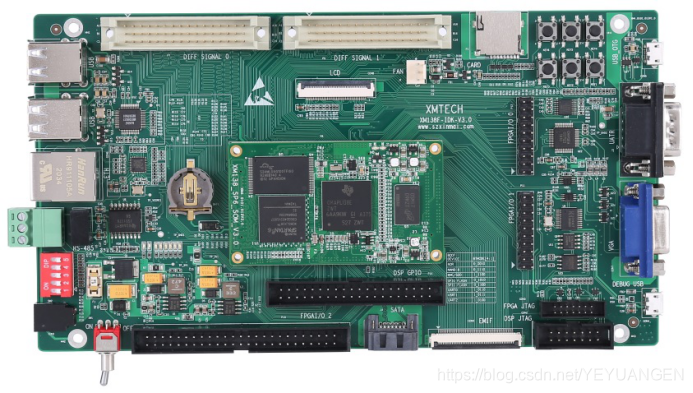 Figure 1 Front and side views of the development board
The XM138F-IDK-V3.0 is a development board designed based on Shenzhen Xinmai's XM138-SP6-SOM core board. It features a 4-layer board design with immersion gold lead-free process. It provides users with a test platform for the XM138-SP6-SOM core board to quickly evaluate its overall performance.
The XM138-SP6-SOM brings out all CPU resource signal pins, making secondary development extremely easy. Customers only need to focus on the upper-layer application, greatly reducing development difficulty and time costs, enabling products to be launched quickly and seize market opportunities in a timely manner. We not only provide rich demo programs but also detailed development tutorials and comprehensive technical support to assist customers with baseboard design, debugging, and software development.
2 Typical Application Areas Data acquisition, processing, and display systems Smart power systems Image processing equipment High-precision instrumentation Mid-to-high-end CNC systems Communication equipment Audio and video data processing
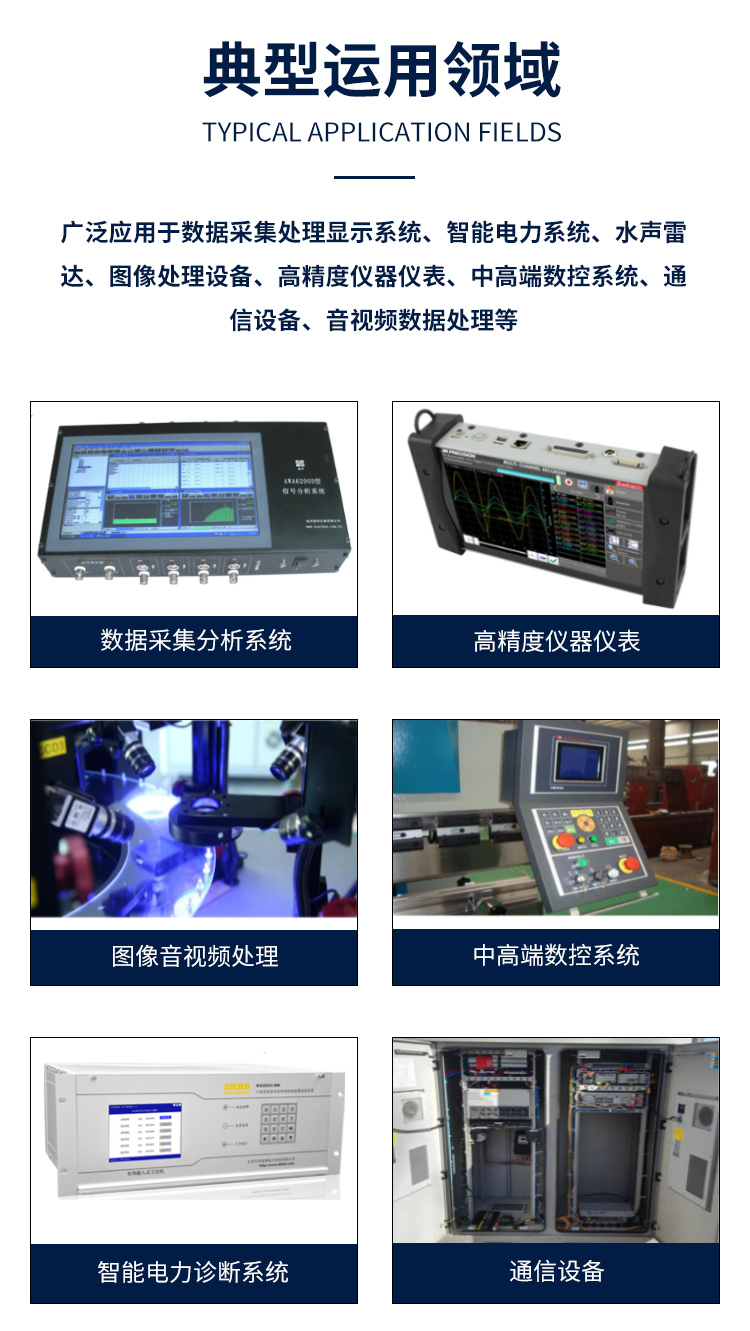 Figure 2 Typical application areas
3 Hardware and Software Parameters
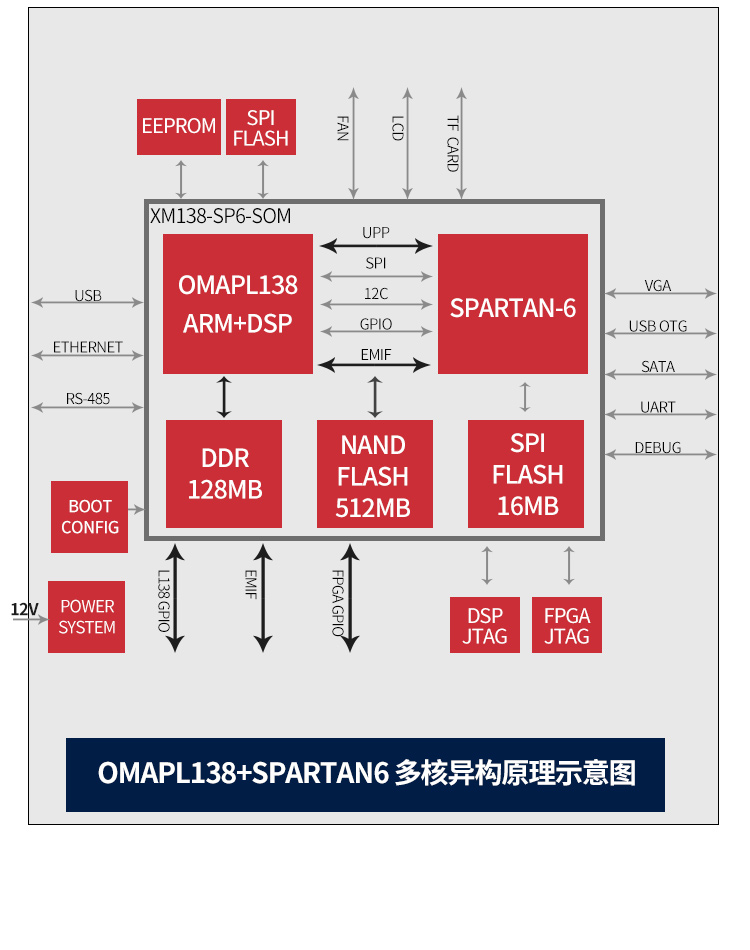 Block diagram of development board peripheral resources
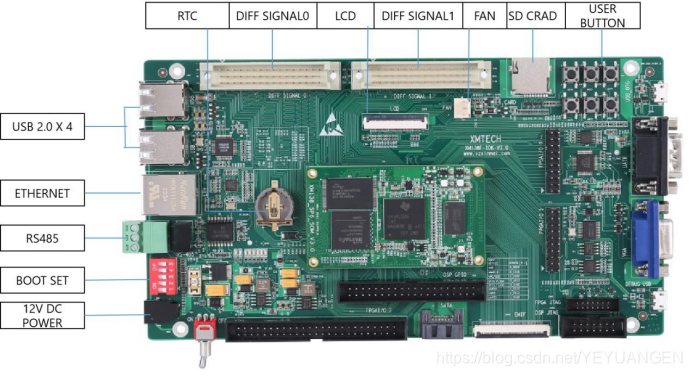
Figure 3 Development board interface diagram
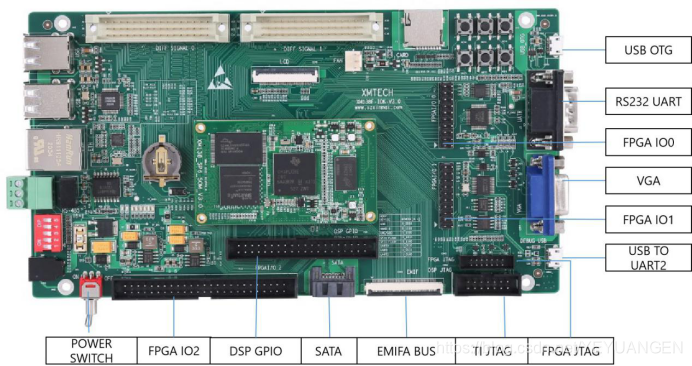
Figure 4 Development board interface diagram