Applications of AM5728-based 5G Smart Gateways in the Industrial Internet
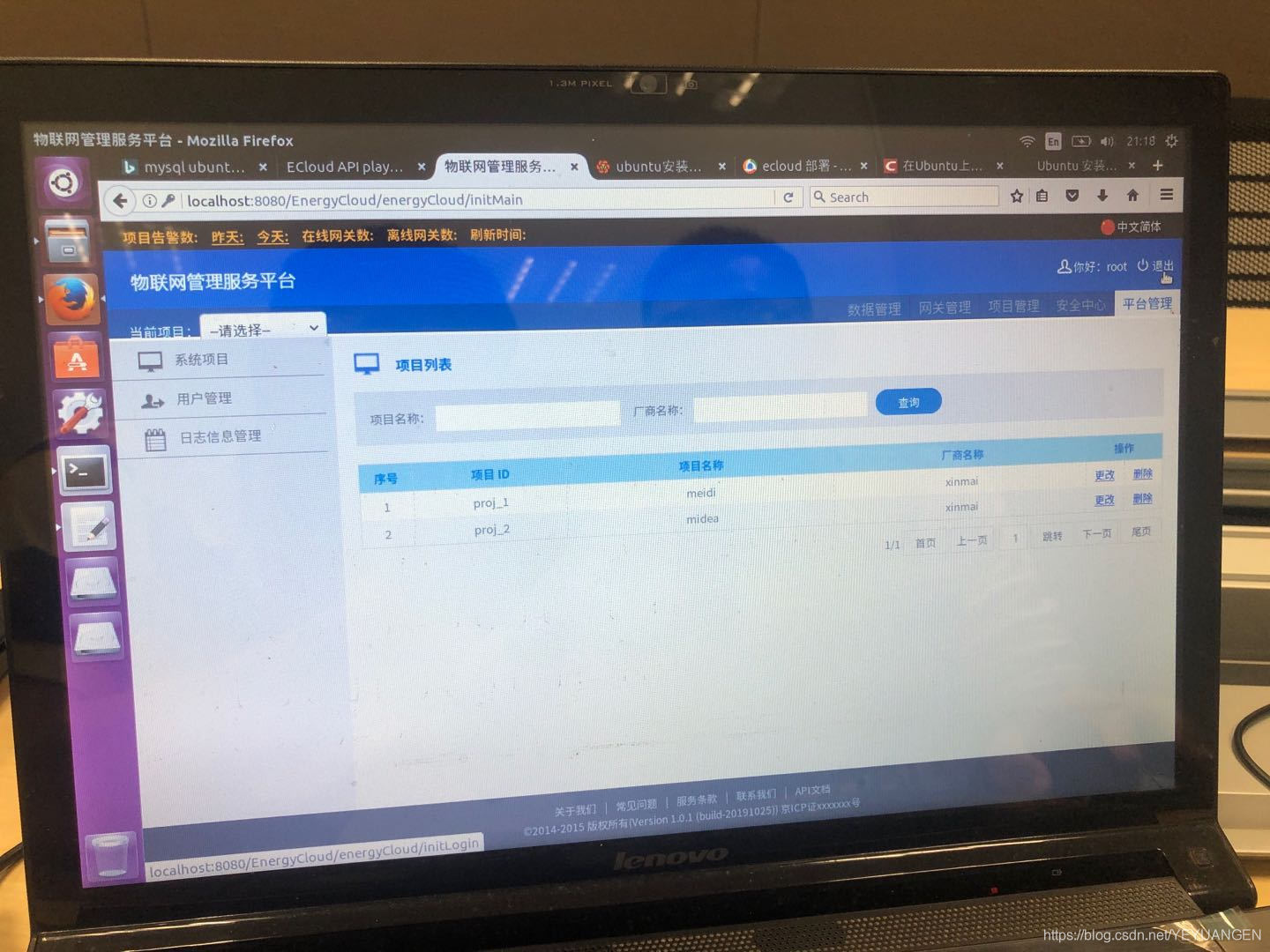
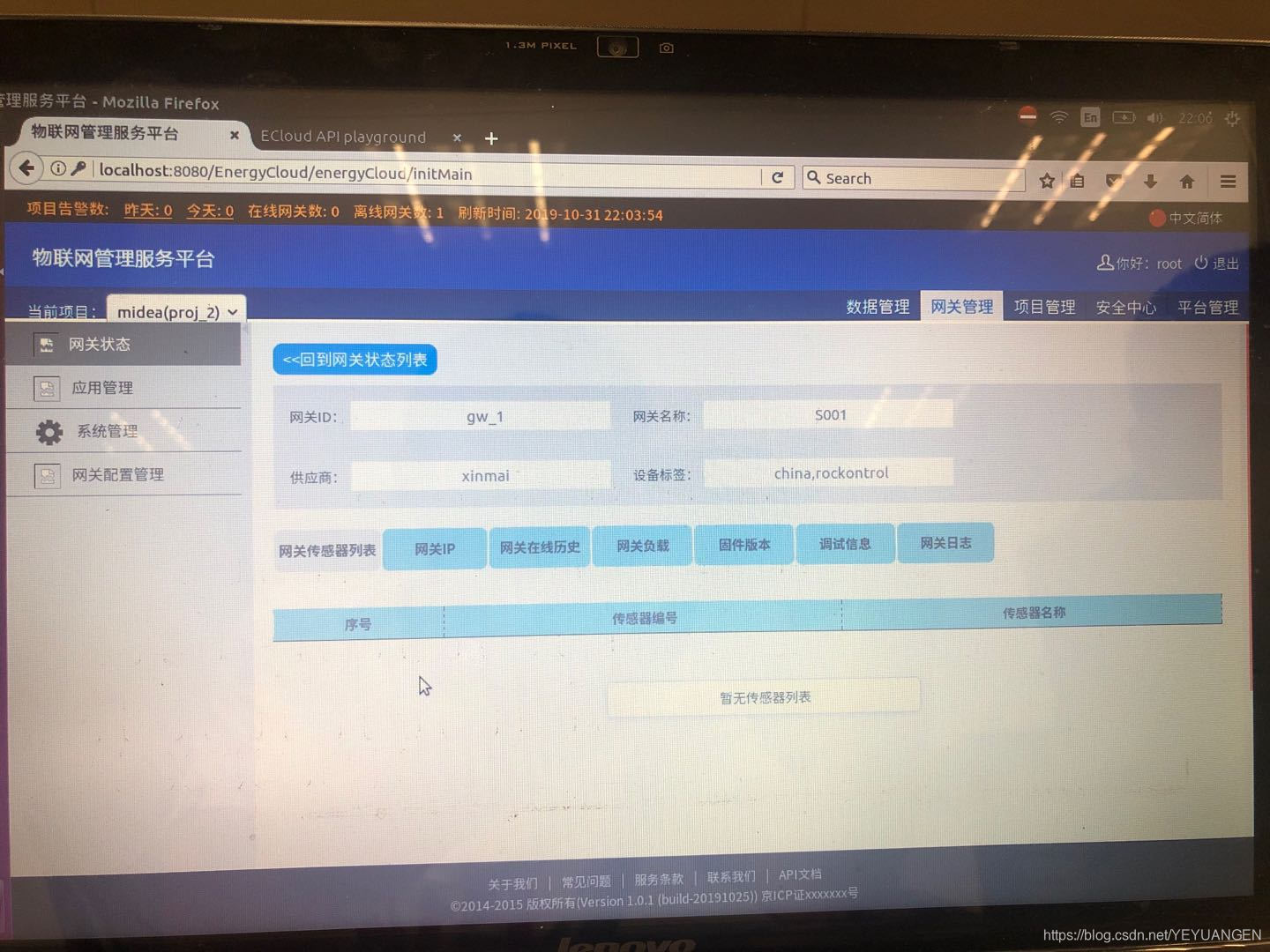
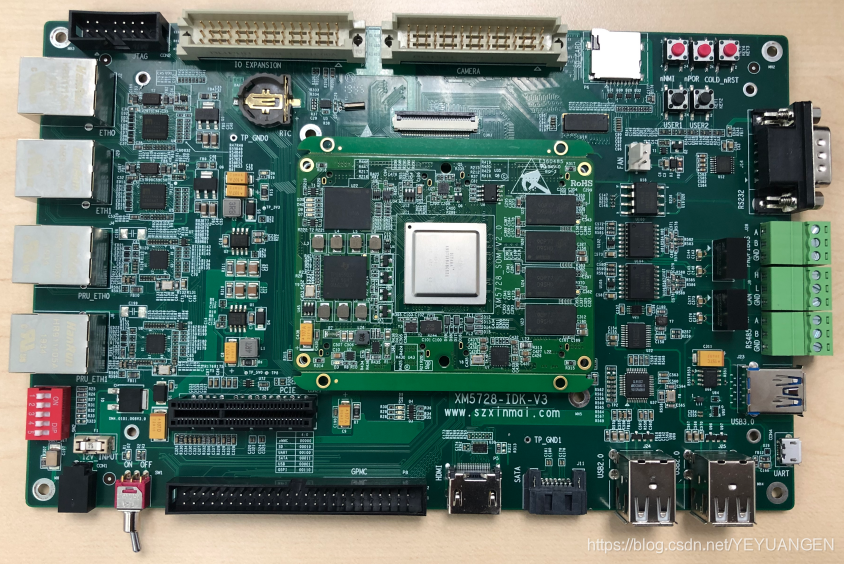
Xinmai's AM5728 Development Platform-based 5G Smart Gateway
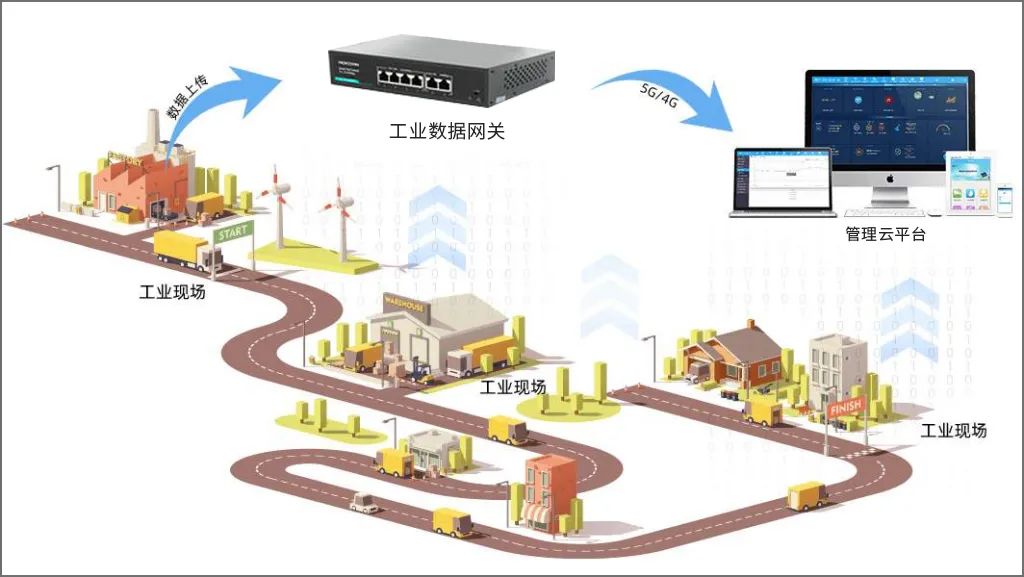
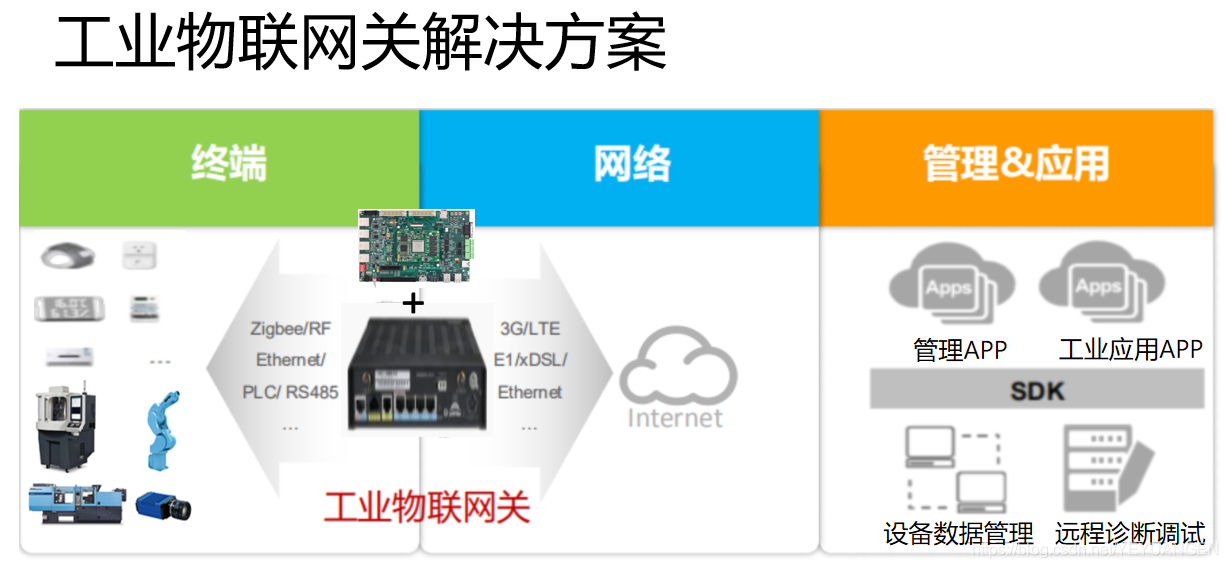
With the rapid development of the Internet and the Internet of Things (IoT), coupled with the national policy requirements of "Made in China 2025," various industries need to implement information-based management for production to improve production management efficiency and energy efficiency, thereby promoting the development of national Industry 4.0. Therefore, the informatization and monitoring of the five key production elements (Man, Machine, Material, Method, Environment) have become a major urgent need. The essence of the IoT is the interconnection of all things, requiring the sensing and control of object dynamics, which necessitates various sensors and controllable devices, such as temperature and humidity sensors, wind speed sensors, infrared sensors, single-lamp controllers, etc. However, in industrial sites, various devices use different protocols, installation methods, and communication methods, making it difficult to collect and transmit data according to unified standards. The purpose of smart industrial gateways is to unify different protocols and provide multiple communication methods to transmit data to cloud servers as data support for platforms. In the era of ubiquitous connectivity, smart gateways act as bridges between various devices, building communication channels.
As data collection and monitoring of numerous production elements require management via data gateways, industrial data gateways are indispensable processing units. Currently, the mainstream solution involves using ARM/DSP as the processing platform for industrial data gateways.
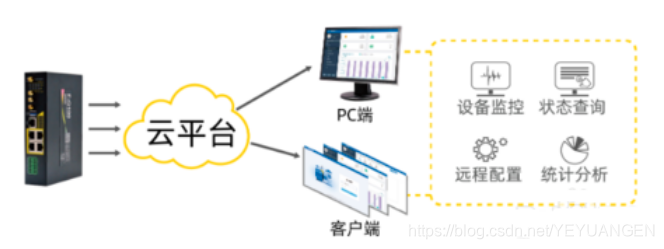
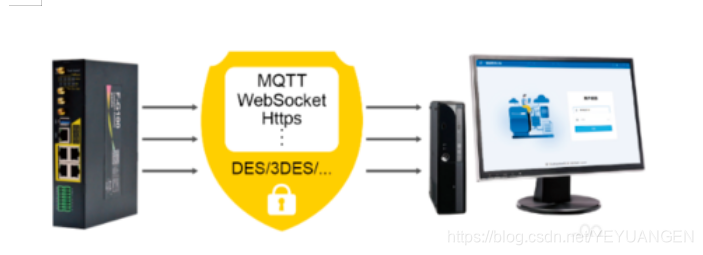
Rich industrial automation communication protocols are built-in (Modbus RTU/Modbus TCP, Siemens series, Omron series, Mitsubishi series, AB series, Power 101, 104, DLT645 meter protocol, private protocols, etc.), adaptable to various field devices. Devices connect to cloud platforms for remote management, featuring a PC Client and a high-performance hardware solution. It can access third-party cloud platforms, such as Microsoft Azure IoT, Gizwits, Alibaba Cloud (LinkWan Platform, Edge Computing Platform, Smart Gateway Platform), Baidu TianGong, and other cloud platforms. The convenient and easy-to-use PC Client software enables remote configuration, data monitoring, and establishment of maintenance channels for smart devices like PLCs. Data transmission offers high security and reliability, providing secure and reliable access, supporting encryption methods such as DES and 3DES, with optional VRRP hot backup functionality. The cloud employs distributed server deployment, capable of connecting a large number of gateways and terminal devices.
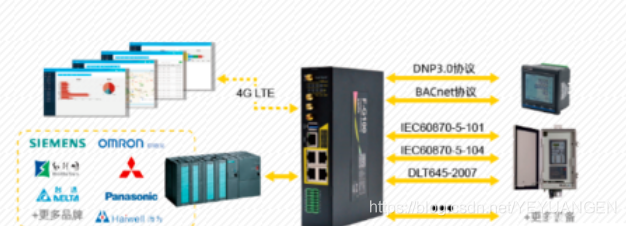
In an Industrial IoT (IIoT) platform, the smart gateway serves as the data acquisition layer for edge computing, where data collection and protocol parsing at the link layer are crucial. The platform is the core of the Industrial Internet, and data acquisition is the foundation of this core. Within the entire process of data acquisition, data transmission, data analysis, and data application, the smart industrial gateway is positioned as the bridge for data collection and transmission. Industrial smart gateways feature common industrial ports such as RS485, RS232, CAN, analog inputs, and Ethernet ports, enabling functions like data acquisition, data forwarding, data distribution, edge computing, and protocol conversion, providing a reliable data foundation for the Industrial IoT.
Multiple communication interfaces, flexible data forwarding, and rich communication interface types (RS232/RS485/RJ45/DI/DO, etc.). It provides wireless + wired transmission channels to ensure data transmission stability. Supports 3G/4G and wired WAN dual-link intelligent switching and backup functions (optional).
Convenient secondary development. It features a Python development environment, allowing for customized functional applications based on specific business needs. Additionally, a Software Development Kit (SDK) is provided, enabling easy invocation of various system interfaces and resources, thereby reflecting the core value of customer solutions.
High-quality, high-reliability hardware, ensuring stable device operation.
●Key Specifications●
Key specifications for the industrial data gateway are as follows:
(1) Meets industrial-grade requirements, with controllable costs and edge computing capabilities.
(2) Multiple Ethernet ports, multiple serial ports, multiple CAN ports, and FPGA expansion interfaces.
(3) Supports 4G/5G/WIFI/NB-IoT/LoRa/ZigBee wireless communication.
(4) Stable and reliable system.
- Functions of Industrial 5G/4G Smart Gateways
- Supports protocols such as PLC, CAN, and Modbus, enabling remote control, monitoring, and threshold alarming for industrial field devices.
- Supports northbound protocols such as MQTT, 212, and JSON, enabling seamless integration with Industrial IoT platforms.
- Compatible with communication methods including 5G/4G/3G/2G, NB-IoT, WIFI, GPS, and wired, allowing flexible networking in industrial sites.
- Data can be simultaneously transmitted to 12 centers and reported to multiple platforms, enabling more efficient management and collaboration.
- All components are industrial-grade designed, suitable for various harsh industrial conditions.
- Supports remote and local dual-mode management, making gateway management and maintenance more convenient.
(1) Meets industrial-grade requirements, with controllable costs and edge computing capabilities?
Based on Xinmai's TI Sitara AM5728/OMAPL138 series ARM Cortex-A15/Cortex-A9 processors, the industrial-grade core board operates at -40°C to 85°C with a main frequency of up to 1GHz, meeting the edge computing capability requirements for industrial sites.
(2) Multiple Ethernet ports, multiple serial ports, multiple CAN ports, and FPGA expansion interfaces?
- Supports 3 native Ethernet ports, consisting of 1 PRU 100Mbps Ethernet port and 2 Gigabit Ethernet ports, where any 1 port can be used for local area networks (LAN) and the other 2 ports for wide area networks (WAN). Additionally, GPMC parallel port and USB interface Ethernet port expansion solutions are provided for extending more Ethernet ports.
- Supports 6 native serial ports and offers GPMC parallel port and SPI interface expansion solutions for 8 serial ports, allowing for flexible implementation of RS232/RS485/RS422 interfaces as needed.
- Supports 2 CAN interfaces, meeting the requirements for harsh industrial application environments.
- Supports FPGA expansion via the GPMC parallel port, allowing flexible access to multiple/high-speed ADCs through the FPGA, or other data interfaces. The measured speed between ARM and FPGA via the GPMC parallel port in EDMA mode can reach up to 624Mb/s, meeting industrial data transmission speed requirements.
(3) Supports 4G/5G/WIFI/NB-IoT/LoRa/ZigBee wireless communication?
Wireless communication modules can be connected via common interfaces such as USB/SDIO/UART, providing wireless communication examples like 4G/WIFI for quick user evaluation.
(4) Stable and reliable system?
The core board has undergone high and low-temperature tests, vibration tests, and aging tests, and 3000 power-off/startup cycles, ensuring stable system operation. The core board has low power consumption, approximately 1W.