Data Acquisition Solution for Safety Monitoring and Management Systems of Large Cranes and Construction Machinery
Data Acquisition for Safety Monitoring and Management Systems of Large Cranes and Construction Machinery
Construction machinery has always been paramount for the execution of large-scale projects, a history spanning 10 years from 2016 to the present. Previously, perhaps due to less advanced machinery, there were fewer ECU (Electronic Control Unit) control units, making it difficult to acquire much of the data needed for project safety monitoring and management.
With the deepening implementation of the Belt and Road Initiative, construction machinery has become increasingly advanced, and electrification and intelligence have profoundly impacted the field. Equipment such as excavators, loaders, bulldozers, road rollers, pavers, cranes, tower cranes, concrete pump trucks, mixer trucks, rotary drilling rigs, tunnel boring machines, graders, milling machines, crushers, aerial work platforms, piling machines, scrapers, and dump trucks have largely achieved digitalization and intelligence. Over several years, we have collected CAN data from over 40 models of construction machinery, primarily focusing on the application of CAN bus data acquisition technology within safety monitoring and management systems for large lifting machinery.
By analyzing the characteristics of the CAN bus and its advantages in crane monitoring systems, we have implemented numerous digital applications in major ports, construction sites, mines, logistics transportation hubs, and construction locations. While these years of accumulation haven't yielded significant financial wealth in this domain, they have certainly amassed a substantial amount of data. Our long-term research indicates that CAN bus-based data acquisition systems can effectively enhance the safety and reliability of construction machinery operations, providing technical assurance for intelligent equipment management.
As industrial automation levels continuously improve, large cranes and construction machinery play an increasingly vital role in modern heavy engineering projects. However, the high-intensity operating environments of cranes and construction machinery in these projects also introduce numerous safety hazards, making the establishment of effective digital information security monitoring and management systems crucial. The CAN bus, as a mature fieldbus technology, is widely applied in the field of lifting machinery safety monitoring due to its high reliability, real-time performance, and anti-interference capabilities.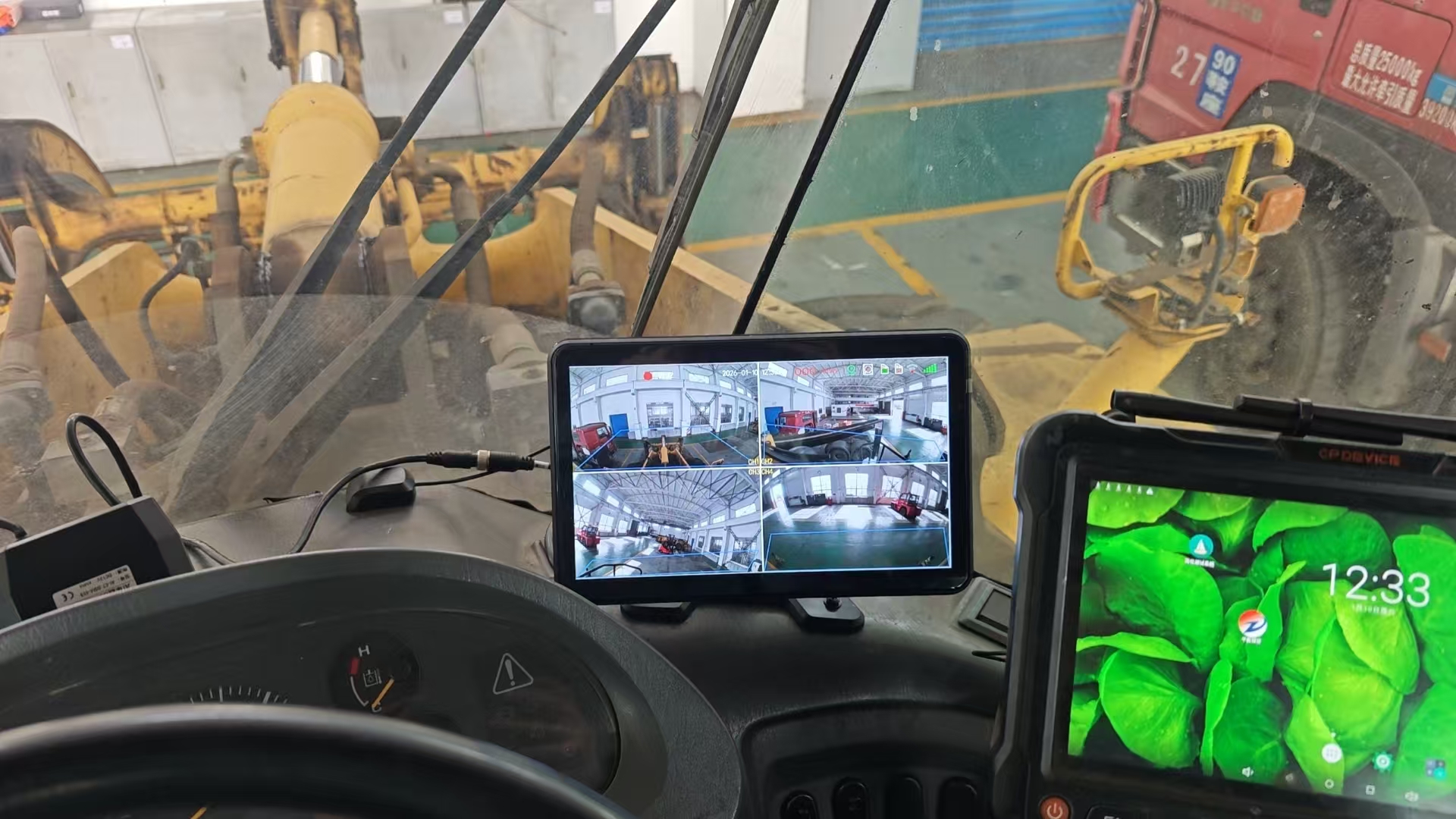
During project implementation, given the complex and variable operating environments of large cranes and construction machinery, real-time monitoring of various parameters is required to ensure safe operation. The main data acquisition content includes: load parameters such as boom length, boom angle, span, outreach, height, actual lifting weight, and tilt angle; operating status parameters for new energy construction machinery, such as motor temperature, voltage, and current; and the status of certain control states and safety devices like limit switches. Accurate acquisition of this data is fundamental to safety monitoring.
Our implementation approach begins with customized hardware design based on the acquired messages, encompassing solution selection, schematic design, component selection, hardware joint debugging design, signal integrity, power management, and ECM (Electromagnetic Compatibility). Since the hardware needs to be deployed with sensor nodes at various critical locations on the construction machinery, and collected data is aggregated to the main control unit via CAN interface modules, some node designs must account for industrial environment requirements such as dustproof, waterproof, and shockproof capabilities.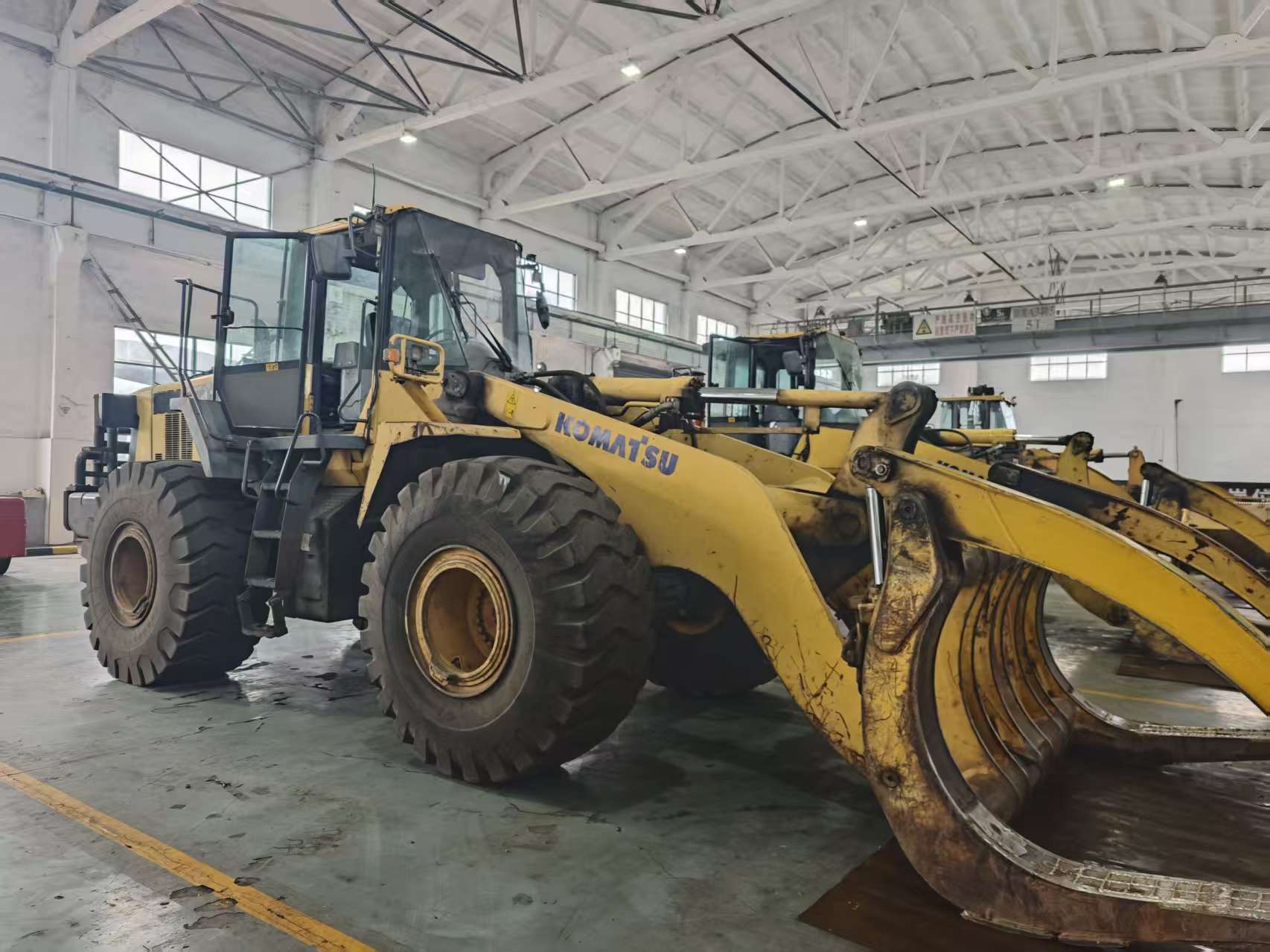
For the communication protocol, we will establish a standardized protocol in accordance with the "Safety Technical Regulations for Construction Machinery." This protocol will correspond to the information of different control units based on the specific CAN data of various construction machines, allowing for installation simply by flashing different machine configurations. Data received by the main control unit from each node must undergo real-time processing, including data validation, filtering, and threshold judgment, to ensure the accuracy and timeliness of the information.
This CAN bus-based data acquisition system for large cranes and construction machinery safety monitoring and management offers advantages such as simple wiring, strong scalability, and easy maintenance. With the development of digital IoT technology, future digital monitoring systems will evolve towards greater intelligence, and the CAN bus will continue to play a crucial role in this evolution. Integration with other communication technologies (e.g., wireless sensor networks) will further enhance the system's monitoring capabilities and scope of application.
However, in practical operations, we have also encountered some challenges, such as a shortage of specialized installation personnel and difficulties in coordinating data adaptation for construction machinery. On-demand service is not feasible; tests must be scheduled in advance. Project cycles tend to be relatively long. Furthermore, construction machinery of different brands, tonnages, and manufacturing years often have varying data and communication protocols, leading to additional time consumption for both R&D and installation.
Our client base primarily consists of state-owned enterprises, ports, and large engineering construction groups. With data-driven support, customized requirements, and diverse objectives, come different responsibilities and commitments. This not only helps bidding companies enhance their digital technology capabilities and competitiveness but also enables large enterprises to expand their major technical and business segments, facilitating a transition from an engineering team to a technology-driven team, thereby standing out in the competition.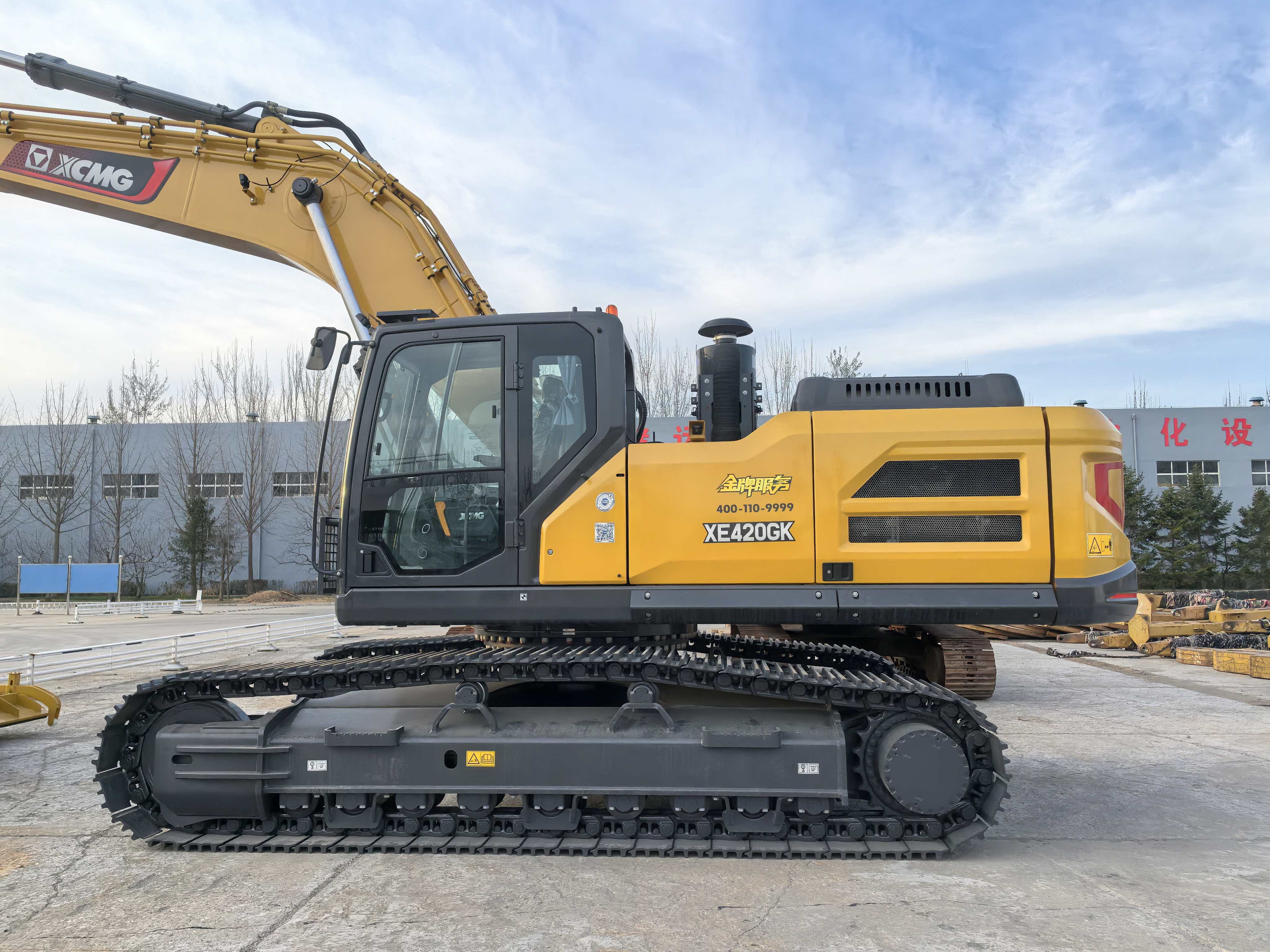
CAN bus technology offers significant technical advantages in safety monitoring and management systems for large cranes and construction machinery, though it also presents challenges such as lack of transparency and the need for customization. By establishing a standardized data acquisition system, similar to automotive OBD2, we can achieve comprehensive monitoring of construction machinery status, providing robust assurance for project safety. As technology continues to advance, CAN bus-based monitoring systems will play an even more critical role in the intelligent transformation of all "Belt and Road" initiatives.